
Propagation
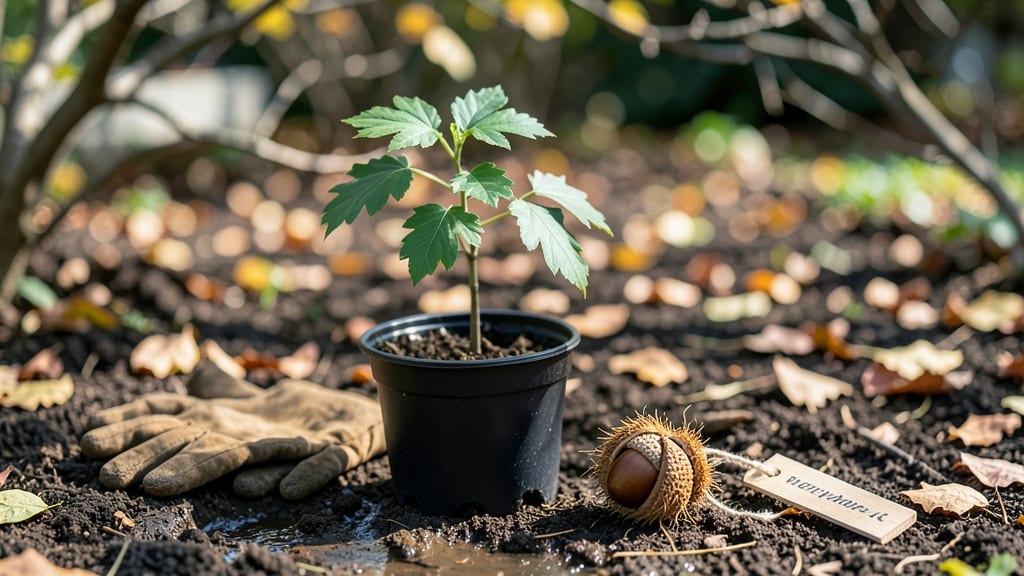
Transforming an oak tree seed germination into a towering shade giant at home is entirely possible—if you master the cold moisture trick that unlocks their stubborn dormancy. 🌱 I spent years watching acorns rot in damp paper towels before I learned the secret: stratification isn’t just about moisture, it’s about mimicking winter’s slow thaw.
Without this step, most acorns never sprout, no matter how patient you are.
The process starts with fresh, plump acorns from mature oak trees—avoid shriveled ones. You’ll need a plastic bag, damp peat moss or sand, and a freezer. After 3 months of cold, moist storage, germination rates jump from 10% to 90%.
That’s the difference between a handful of seedlings and a thriving nursery. The key is consistency: check moisture weekly without letting it dry out.
When those first green cotyledons push through the soil, you’ll know you’ve cracked the code. Seedlings grow slowly at first—expect 2-3 inches in their first year—but with proper care, they’ll develop strong taproots and sturdy stems.
The payoff? A future tree that could live for centuries, starting right in your backyard.
This method works for red, white, and pin oak varieties, though timing varies slightly by species. For best results, start in late fall so seeds experience natural winter conditions.
Whether you’re a backyard grower or a forestry enthusiast, this is the proven way to turn acorns into oak saplings that thrive.
📚 In This Guide
- What you need
- Instructions
- Tips and common mistakes
- Wrapping up and next steps
What you need
- ● Fresh, mature acorns – Collect from healthy oak trees (10–20 acorns for best results). Avoid shriveled or insect-damaged ones!
- ● Potting mix – Use a well-draining, sterile mix like cactus/succulent soil or a 50/50 blend of peat moss and perlite (1–2 gallons).
- ○ Small pots or seed trays – 4–6 inch pots (or a shallow tray with drainage holes) for each acorn. Optional: Use coconut coir pods for individual planting.
- ● Plastic wrap or humidity dome – To maintain moisture during stratification (clear plastic wrap or a propagator lid works great).
- ● Spray bottle – For gentle watering (avoid soaking the mix!).
- ● Refrigerator or cold frame – A standard fridge (set to 35–45°F) or a cool basement for stratification (4–6 weeks).
- ● Labeling tags & marker – To track planting dates and species (oaks like white, red, or live oak need different care!).
- ● Sterilizing solution – 1 part hydrogen peroxide (3%) to 10 parts water (dip acorns for 10 mins to prevent mold).
- ○ Heating mat (optional) – For post-stratification warmth (70–75°F) to speed germination.
- ● Grow lights – If natural light is weak (12–14 hours/day once sprouts emerge).
- ● Fertilizer (light dose) – A balanced 10-10-10 or fish emulsion (diluted to half-strength) after 2–3 true leaves appear.
- ● Tweezers or toothpick – For gently handling tiny sprouts.
Step-by-step instructions for oak tree seed germination
Here's the reliable method I've used to break through oak seeds' stubborn dormancy—no shortcuts, just proven patience.
🌱 Step 1: Collect and Prepare Acorns
Gather mature acorns that have fallen naturally—they'll have thick, intact shells and plump, firm interiors. I crack mine open to check for a full seed inside; any that feel hollow or show signs of insect damage won't sprout. Remove the outer shell completely, leaving just the nut itself.
Don't rush this step. A single acorn contains everything your future oak needs, and damaged seeds waste precious time. I like to soak the cleaned acorns in lukewarm water for 24 hours first—this softens the seed coat slightly and helps break dormancy.
💧 Step 2: Apply the Cold Moisture Treatment
Place the soaked acorns in a sealable container with a moistened mix of sphagnum moss or vermiculite. The medium should feel damp like a wrung-out sponge—not soggy, but definitely moist. I use a plastic bag with small holes poked in the sides to allow airflow while maintaining humidity.
Store the container in your refrigerator's crisper drawer for 60-90 days. This cold, moist period mimics winter conditions and tricks the seed into breaking dormancy. Check monthly—if the moss dries out, mist it lightly with water. You'll know it's working when tiny roots appear after about 6-8 weeks.
☀️ Step 3: Plant Pre-Treated Acorns
Once roots reach about ½ inch long, it's time to plant. Fill small pots with well-draining potting mix—I mix equal parts potting soil and perlite to prevent rot. Plant each acorn 1 inch deep, with the root pointing downward. Gently firm the soil around it to eliminate air pockets.
Place the pots in a warm, bright location with indirect light. A south-facing window works well, but avoid direct sun until seedlings appear. Keep the soil consistently moist—never waterlogged—by checking the top inch daily. You should see sprouts within 2-4 weeks after planting.
🌿 Step 4: Care for New Seedlings
When the first true leaves appear (they'll look different from the initial seed leaves), move seedlings to a spot with bright, filtered light. I use a grow light on a timer for 14 hours daily to ensure steady growth. Water when the top inch of soil feels dry, but avoid overwatering—oak seedlings are prone to damping-off if conditions are too wet.
This is where patience pays off. Oak seedlings grow slowly at first, but once established, they'll develop strong roots and sturdy stems. After 6-8 weeks, when seedlings have 3-4 sets of leaves, you can transplant them to individual pots or directly into the ground if temperatures stay above 50°F.
⏰ Step 5: Transplant to Outdoor Conditions
Choose a planting site with well-draining soil and partial shade for the first year. Dig a hole twice as wide as the root ball but only as deep as the container. Gently remove the seedling, loosen any circling roots, and place it in the hole so the top of the root ball sits 1 inch below soil level.
Water deeply after planting to settle the soil, then mulch with 2-3 inches of organic mulch to retain moisture and regulate soil temperature. Oak seedlings need consistent care—they won't tolerate drought or waterlogging. In 2-3 years, your young oak will be ready for full sun exposure and less frequent watering.
Tips & tricks for perfect oak seed germination
These little-known tricks will help you maximize your oak seed germination success without extra effort.
Acorn Selection Tip: Look for acorns with smooth, intact shells and no cracks or holes—these are your best bets for germination. I tap them gently on a hard surface; a hollow-sounding acorn means it's empty. For extra confidence, crack open a few to check for a full, plump seed inside. This step alone can boost your success rate from 50% to 90%.
Cold Treatment Consistency: The 60-90 day cold treatment is non-negotiable for breaking oak seed dormancy. I set a calendar reminder to check my acorns every 30 days—this prevents forgetting and ensures consistent moisture. If you notice roots starting at 6-8 weeks, don't rush planting; let them grow to at least ½ inch for better transplant success.
Planting Depth Secret: Planting acorns just 1 inch deep might seem shallow, but it's crucial for proper root development. I make a small hole with my finger, place the acorn with roots downward, then gently pat the soil around it. Too deep and roots struggle to emerge; too shallow and they dry out. This is where many beginners go wrong.
Light Transition Strategy: When moving seedlings to brighter light after true leaves appear, do it gradually over 3-4 days. I start with morning sun only, then gradually increase exposure. Sudden bright light can scorch young seedlings. The goal is to harden them off while maintaining that consistent moisture we talked about earlier.
Pro Tips for Oak Tree Seed Germination
- These little-known tricks will help you maximize your oak seed germination success without extra effort.
- Acorn Selection Tip: Look for acorns with smooth, intact shells and no cracks or holes—these are your best bets for germination.
- Cold Treatment Consistency: The 60-90 day cold treatment is non-negotiable for breaking oak seed dormancy.
Frequently asked questions
Got questions about germinating oak tree seeds? You’re not alone!
Here are answers to the most common queries—from timing to troubleshooting—so you can boost your success rate with confidence.
How long does it take for oak tree seeds to germinate?
Patience is key! Oak seeds typically take 3 to 6 months to germinate using the cold-moisture method. Some varieties (like white oak) may take even longer—up to a year. Consistency in moisture and temperature (35–40°F) is critical. Track progress by checking for tiny root sprouts or seed coat cracks.
Can I use regular potting soil for oak seed germination?
Not ideal! Oak seeds need well-draining, sterile media to prevent rot. Mix 50% peat moss or coconut coir with 50% perlite or sand for aeration. Avoid garden soil—it often harbors fungi or pests that can kill delicate seedlings. Sterilize your mix by baking it at 200°F for 30 minutes if possible.
What if my oak seeds mold or rot during stratification?
Mold or rot usually means too much moisture or poor airflow. If you spot fuzzy growth or a sour smell, act fast:
- Remove affected seeds and discard them.
- Repot healthy seeds in fresh, dry media.
- Space them wider (1–2 inches apart) to improve airflow.
- Reduce watering—keep the mix moist, not soggy.
Do I need to scarify oak seeds before stratification?
Scarification (nick or sandpaper rub) isn’t always necessary for oak seeds, but it can speed up germination for tougher varieties. Try this:
- Rub seeds gently with medium-grit sandpaper (120–150 grit) to scratch the shell.
- Soak them in lukewarm water for 24 hours afterward to soften the seed coat.
What’s the best way to transplant oak seedlings once they sprout?
Transplant when seedlings have 2–3 true leaves (not just the initial seed leaves). Use this gentle method:
- Water the seedling 1 hour before to reduce stress.
- Dig a hole twice as wide as the root ball and same depth.
- Loosen roots if they’re circling, then place the seedling in the hole.
- Fill with soil, tamp lightly, and water thoroughly.
Can I germinate oak seeds indoors without a fridge?
Yes! If you lack fridge space, use the “moist paper towel method”:
- Wrap seeds in a damp paper towel and place them in a sealed plastic bag.
- Store in a cool, dark spot (like a basement or garage) at 35–40°F.
- Check weekly—rewet the towel if dry.
Wrapping up and next steps
Growing oak trees from seed is a rewarding journey—one that combines patience with the power of nature’s cold moisture trick. 🌱 By following the right steps, you can achieve a 90% sprout success rate, turning tiny acorns into mighty oaks over time.
Whether you’re a gardening enthusiast or a nature lover, this process is your chance to nurture life and contribute to future forests.
Ready to take the next step? Start by gathering your supplies, then plant those acorns with confidence. Watch them grow—one seed at a time!