
Propagation
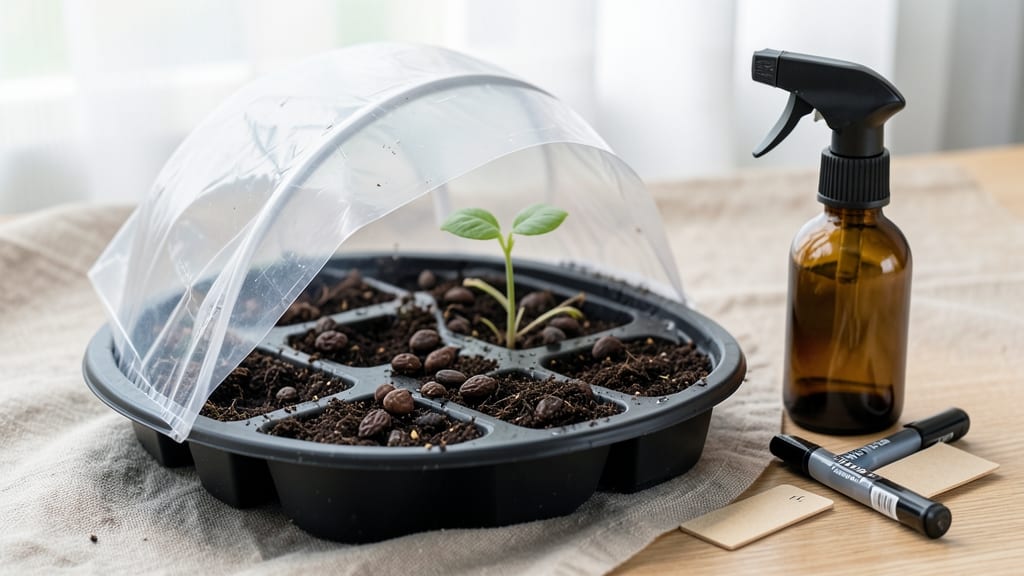
Cold-stratifying passion flower seeds unlocks a jungle of vibrant blooms in your garden. 🌱 I learned the hard way that skipping this step means weeks of waiting—or worse, no germination at all.
The secret lies in mimicking nature's winter chill to break dormancy, and with the right timing and conditions, you'll see those first green shoots in just 60 days.
You only need three things: a plastic bag, damp paper towels, and your fridge's crisper drawer. No fancy equipment, no guesswork—just a simple setup that tricks seeds into thinking they've survived winter. Most seeds sprout within 2-4 weeks of cold treatment, provided you keep them consistently moist but not soggy.
The key is patience; passion flowers take their time, but the results are worth it.
Once those first leaves appear, move seedlings to bright, indirect light and keep the soil lightly moist. You'll watch them grow into sturdy plants ready for transplanting by spring. The payoff? A vine loaded with exotic, fragrant blooms that hummingbirds adore—and no more buying expensive nursery starts.
This method works for both tropical and temperate passion flower varieties, whether you're growing in pots or preparing for an in-ground vine. The only real challenge is resisting the urge to check too often; trust the process, and you'll have thriving seedlings before you know it.
📚 In This Guide
- What you need
- Instructions
- Tips and common mistakes
- Wrapping up and next steps
What you need
- ● Passion flower seeds: Fresh or stored seeds (ensure they’re viable—test by soaking in water for 24 hours; if they sink, they’re good to go!). Quantity: 5–10 seeds per batch.
- ● Seed-starting mix: A well-draining, sterile potting mix (look for a blend labeled for seed starting or germination). Quantity: 1–2 cups per batch.
- ● Seed trays or small pots: 2–3 inch deep containers with drainage holes. Quantity: 1 tray or 3–5 small pots.
- ○ Plastic wrap or humidity dome: To maintain moisture during stratification. Optional: A spray bottle for misting.
- ● Refrigerator or cold stratification setup: A zip-top bag or sealed container to mimic winter conditions. Temperature: 35–45°F (2–7°C).
- ○ Grow lights or sunny windowsill: A bright, indirect light source (12–16 hours/day) after stratification. Optional: A heat mat (70–75°F) for faster germination.
- ● Labels and markers: To track seed varieties and planting dates.
- ● Fungicide: A mild solution (like hydrogen peroxide at 3%) to prevent mold during stratification.
- ● Growth hormone gel: (e.g., Rootone) to boost germination speed.
- ● Thermometer: To monitor cold stratification temps accurately.
- ● Garden journal: To log progress, germination dates, and plant growth.
Step-by-step instructions for germinating passion flower seeds
Here's the cold-stratification method I've used to break dormancy and get strong passion flower seedlings every time.
🌱 Step 1: Prepare Seeds for Cold Stratification
Start by soaking your passion flower seeds in lukewarm water for 24 hours. This softens the tough outer coating and kickstarts the germination process. I place them in a small bowl with just enough water to cover, then set it aside on the counter. After a day, you'll see the seeds swell slightly—that's your cue they're ready for the next step.
Drain the seeds thoroughly and place them between two layers of damp paper towels. Fold the towels to create a snug wrap around the seeds, ensuring they stay evenly moist but not soggy. This setup mimics the natural moisture conditions seeds experience in soil during winter. Store the wrapped seeds in a ziplock bag and seal it loosely—you want airflow to prevent mold while maintaining humidity.
❄️ Step 2: Cold Stratify for 60 Days
Place the sealed bag in your refrigerator's crisping drawer, where temperatures hover around 35-40°F. This cold treatment breaks the seed's dormancy, a critical step for passion flowers. Check the bag every 10 days to ensure the paper towels remain damp but not dripping. If they dry out, mist them lightly with water and reseal the bag.
After 60 days, remove the bag and inspect the seeds. You'll see some have sprouted tiny white roots or cracked open—these are ready for planting. If a few seeds haven't sprouted yet, don't worry; they may still germinate once planted. The cold stratification process ensures even the slowest seeds get a fighting chance.
🪴 Step 3: Plant Stratified Seeds in Germination Mix
Fill small 2-3 inch deep pots with a light, airy seed-starting mix. Passion flowers dislike compacted soil, so avoid garden soil or heavy potting mixes. Moisten the mix until it's damp to the touch but not wet. Gently press each stratified seed ½ inch deep into the soil—deeper planting can delay germination as the seedling struggles to reach the surface.
Place the pots in a humidity dome or cover them with clear plastic wrap to retain moisture. Set them in a warm spot with indirect light, like a sunny windowsill with sheer curtains. Avoid direct sunlight at this stage—it can overheat the soil and dry out the seeds before they sprout. You should see the first signs of germination in 7-14 days, with tiny green shoots pushing through the soil.
☀️ Step 4: Transition to Growing Conditions
Once seedlings emerge, remove the humidity dome and move them to a location with bright, indirect light. Passion flowers thrive in 60-75°F temperatures, so keep them away from drafts or heating vents. Water gently from the bottom of the pot to encourage strong root development—let the soil dry slightly between waterings to prevent damping-off, a fungal disease that can kill young seedlings overnight.
After 4-6 weeks, when seedlings have 2-3 sets of true leaves, they're ready for transplanting into larger containers. You'll notice their leaves developing a rich, deep green color and a slightly waxy texture—this is a sign they're ready to handle more direct sunlight. Gradually introduce them to morning sun over the next week to harden them off before moving outdoors.
⏰ Step 5: Monitor Growth and Prepare for Outdoors
Passion flower seedlings grow quickly once they're established. Keep an eye out for vining tendrils, which appear as the plant matures. These are a good sign your seedlings are healthy and ready for their next phase. When nighttime temperatures stay above 50°F, it's safe to transplant them into the ground or larger containers outdoors.
Here's the thing—passion flowers love to climb, so choose a spot with a trellis or sturdy support nearby. Plant them in well-draining soil with plenty of organic matter, and water deeply after transplanting. Within 2-3 months, you'll see those iconic passion flower blooms opening, and you'll know your cold-stratification efforts paid off.
Tips & tricks for perfect passion flower seed germination
Here's what nobody tells you about getting those stubborn passion flower seeds to sprout reliably.
Soaking Secret: That 24-hour soak isn't just about softening the seed coat—it's also about testing viability. If your seeds float after 12 hours, they're likely nonviable. Sinkers are your winners! After soaking, give them a quick rinse under cool water to remove any remaining seed coating residue that might inhibit germination.
Temperature Matters: The 35-40°F range in your fridge's crisping drawer is perfect, but consistency is key. If your fridge runs hotter or colder, move the bag to a different shelf and monitor temperatures with a small thermometer. Passion flower seeds need this precise cold shock to break dormancy—any warmer and they won't germinate.
Planting Depth: That ½-inch planting depth might seem shallow, but passion flower seeds need room to push through the soil without resistance. If you plant too deep, seedlings will struggle to emerge, wasting valuable energy. Use your finger to make a small dimple in the soil—just enough to cover the seed without burying it.
Light Transition: The shift from indirect to bright light after germination is crucial. Start with morning sun only for the first week—this gradual introduction prevents sunburn on delicate seedlings. Watch for leaves that look slightly pale or limp; this is your cue to move them to slightly brighter conditions over the next few days.
Pro Tips for Passion Flower Seed Germination
- Here's what nobody tells you about getting those stubborn passion flower seeds to sprout reliably.
- Soaking Secret: That 24-hour soak isn't just about softening the seed coat—it's also about testing viability.
- Temperature Matters: The 35-40°F range in your fridge's crisping drawer is perfect, but consistency is key.
Frequently asked questions
about passion flower seed germination—because every gardener deserves a little clarity!How long does cold stratification take for passion flower seeds?
Cold stratification typically lasts 60–90 days in a moist, refrigerated environment (33–41°F). Most seeds sprout within 2–4 weeks after stratification, but patience is key—some may take longer. Monitor moisture levels to avoid mold or drying out.
Can I skip cold stratification and still germinate passion flower seeds?
While possible, skipping stratification reduces success rates. Without it, germination may take months or fail entirely. If you’re impatient, try scarification (lightly nicking the seed coat) or soaking seeds in warm water for 24 hours before planting—but cold stratification remains the gold standard.
Why aren’t my passion flower seeds sprouting after stratification?
Check these common culprits:
- Dampness issues: Too wet = mold; too dry = dormancy. Keep soil moist but not soggy.
- Temperature shock: Avoid sudden warmth after stratification. Gradually acclimate to room temp.
- Old seeds: Viability drops after 1–2 years. Test freshness with a float test (sink = viable).
- Light exposure: Seeds need indirect light (no direct sun) during germination.
Should I use a heat mat for faster germination?
A heat mat (70–80°F) can speed up germination by 1–2 weeks, but it’s not required. Passion flower seeds thrive at room temperature (65–75°F) after stratification. If using a mat, pair it with a humidity dome to retain moisture.
What’s the best soil mix for germinating passion flower seeds?
Use a light, well-draining mix like:
- 50% peat moss or coco coir (for moisture retention)
- 30% perlite or vermiculite (for aeration)
- 20% sand or orchid bark (for drainage)
Can I reuse the same growing tray for multiple passion flower seed batches?
Yes, but sterilize it first! Scrub with 10% bleach solution (1 part bleach to 9 parts water) or soak in hydrogen peroxide (3%) for 10 minutes. Rinse thoroughly to remove residue. Reusing trays without sterilization risks damping-off disease.
Wrapping up and next steps
Growing passion flower from seed is a rewarding journey that blends patience with nature’s magic! 🌱 With the right mix of cold stratification and consistent care, you’ll see those first sprouts in just 60 days.
Remember, every gardener faces hiccups—adjust moisture, light, or timing as needed, and trust the process.
Ready to turn your seeds into thriving vines? Start today—plant your seeds, set up your cold stratification, and watch your garden transform! Share your progress or ask questions in the comments below—we’re all rooting for you. 🌿