
Lawn
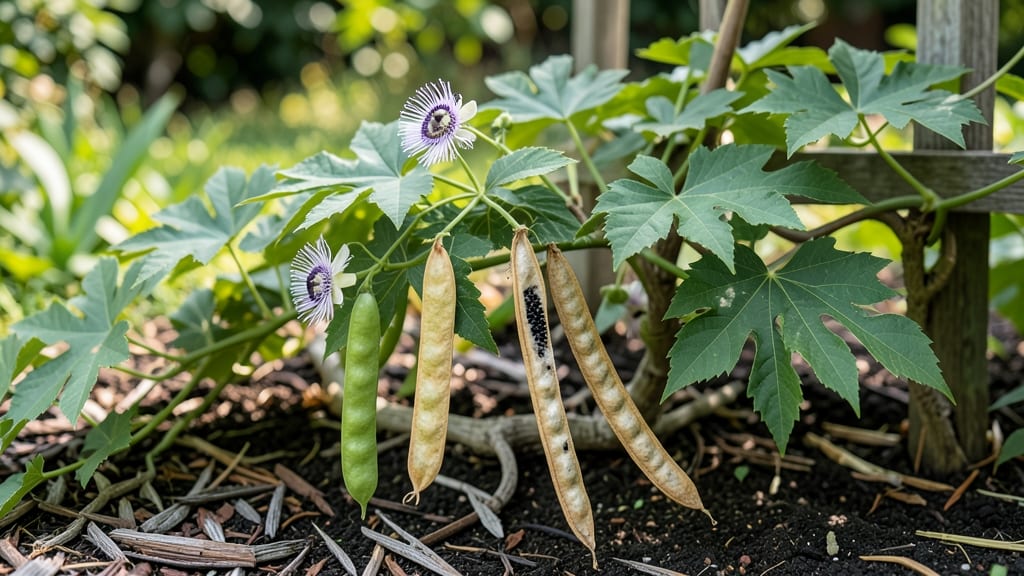
Harvesting passionflower seed pods before they twist into impossible knots saves you from next spring's frustration. 🌿 I learned the hard way—those dried pods become like nature's puzzle boxes, but with the right timing and technique, you'll pull out plump, viable seeds ready for planting.
The secret starts with patience: wait until the pods turn brown and start splitting open naturally, usually in late summer or early fall. Once ripe, gently twist them open (they should release seeds without fighting) and lay them out to dry for a few days.
Store the seeds in a paper envelope until spring—no fancy equipment needed. What you end up with are healthy seedlings that climb faster and bloom earlier than store-bought plants.
The vines grow vigorous, the flowers stay vibrant, and you avoid the heartbreak of buying plants that never thrive in your climate. Works for any passionflower variety, from Maypops to Blue Passionflowers. Here's how to do it without the struggle!
📚 In This Guide
- What you need
- Instructions
- Tips and common mistakes
- Wrapping up and next steps
What you need
- ● Mature passionflower seed pods (fully dried, brown, and slightly papery—harvest when they split open naturally or are ready to split).
- ● Sharp pruning shears or scissors (sterilized to avoid spreading disease).
- ● Paper grocery bags or breathable mesh bags (2–3 bags, labeled for organization).
- ● Newspaper or cardboard (for drying/seeding surface).
- ● Rubbing alcohol (70% isopropyl) and cotton swabs (for sterilizing tools).
- ● Gloves (to protect hands from thorns or sap).
- ● Small paintbrush (for gently coaxing seeds out of pods).
- ● Seed-saving envelopes (for long-term storage).
- ● Label markers (to note variety/year).
- ● Fan or dehumidifier (if drying indoors in humid climates).
Step-by-Step instructions for harvesting passionflower seed pods
Here's how to collect and store passionflower seeds without the frustrating twists.
🌿 Step 1: Identify and Select Mature Seed Pods
Passionflower seed pods turn from green to a papery brown when ready—this usually happens 8-12 weeks after flowering. Gently squeeze a few pods to check for firmness; they should feel dry and hollow inside. I avoid pods that still feel slightly soft or have green streaks, as they won't store well.
Look for pods that have naturally opened slightly at one end—this is your signal that seeds are mature and ready. If you find pods still closed, give them another week or two. The key here is patience; harvesting too early means seeds won't germinate properly next spring.
🪴 Step 2: Harvest Pods Without Damaging the Vine
Use clean, sharp scissors or pruning shears to cut the entire pod from the vine, leaving about ½ inch of stem attached. This prevents the vine from bleeding excessive sap and reduces stress on the plant. I always harvest in the morning when the pods are dry and the stems are firm.
Place the harvested pods in a paper bag (not plastic) to allow airflow while transporting them indoors. Avoid shaking or jostling the pods—this can cause premature seed loss. Once inside, lay them out on a clean, dry surface to air-dry completely for 3-5 days in a warm, dry spot.
✂️ Step 3: Extract Seeds and Prepare for Storage
After the pods are completely dry, gently twist them open by hand—this should release the seeds naturally without forcing. If a pod resists, place it in a small paper bag and give it a few light taps to loosen the seeds. Never cut open dry pods with tools, as this can damage the seed coat.
Separate the seeds from any remaining pod fragments by hand. Healthy passionflower seeds are small, flat, and dark brown with a slightly wrinkled texture. Discard any seeds that appear shriveled, moldy, or discolored. Store the viable seeds in a small envelope or airtight container with a desiccant packet.
📦 Step 4: Store Seeds for Optimal Germination
Place the sealed container in a cool, dark location—such as a refrigerator crisper drawer—where temperatures stay between 35-45°F. Passionflower seeds can remain viable for 1-2 years under these conditions, though I've found they germinate best when sown within 6 months.
Label the container with the date and variety if you're growing multiple types. Before planting next spring, I always test a few seeds by soaking them overnight in lukewarm water—this helps break dormancy and speeds up germination. Keep the container slightly elevated off the fridge shelf to prevent condensation buildup.
Tips & tricks for perfect passionflower seed pod harvesting
Here's what nobody tells you about harvesting passionflower seeds without the frustration.
Timing is Everything: The 8-12 week window after flowering is critical for Step 1. I learned this the hard way after harvesting too early—seeds either wouldn't open or germinated poorly. Mark your calendar when flowers appear to track progress. If your pods still feel soft after 12 weeks, wait another week rather than forcing them.
Harvesting Technique: In Step 2, cutting with clean scissors is non-negotiable. I've seen gardeners use their hands or dull tools, which crushes pods and causes sap loss. The ½-inch stem attachment might seem small, but it prevents vine stress that can reduce next year's blooms. Harvest in morning light when pods are firmest—this makes the cutting cleaner and reduces sap bleeding.
Drying Strategy: The 3-5 day drying period in Step 3 requires consistent conditions. I place my pods on a wire rack in a sunny windowsill (but not direct sun) with a small fan circulating air. This prevents mold from excess moisture while speeding up the process. If your kitchen is humid, extend to 5-7 days—fully dry pods twist open easily, while damp ones resist.
Storage Wisdom: For Step 4, I double-check my refrigerator's crisper drawer temperature with an appliance thermometer—it should stay between 35-45°F consistently. The desiccant packet is crucial; without it, seeds can absorb moisture and lose viability faster. I also store containers in a zip-top bag with a small silica packet as extra insurance against humidity.
Pro Tips for Passionflower Seed Pods
- Here's what nobody tells you about harvesting passionflower seeds without the frustration.
- Timing is Everything: The 8-12 week window after flowering is critical for Step 1.
- Harvesting Technique: In Step 2, cutting with clean scissors is non-negotiable.
Frequently asked questions
Got questions about harvesting passionflower seed pods? You’re not alone! Here are some of the most common queries—and their straightforward answers—to help you master the process like a pro.
When is the best time to harvest passionflower seed pods?
Harvest passionflower seed pods when they turn brown and papery (usually late summer to early fall). Avoid harvesting too early—they won’t be fully mature, or too late, as they may split open and scatter seeds. Aim for 80-90% dryness for optimal viability.
How long do harvested seed pods stay viable for planting?
Freshly harvested passionflower seeds can stay viable for 1-2 years if stored in a cool, dry place (like a sealed jar with silica gel). For best results, plant them within 6 months—germination rates drop over time. Pro tip: Label your pods with the harvest date to track freshness!
What do I do if my seed pods won’t open naturally?
If pods stay stubbornly closed, try these tricks:
- Freeze them for 24 hours to weaken the pod walls.
- Gently crush them with a hammer (wear gloves!) to release seeds.
- Soak in warm water for 12 hours to soften the fibers.
Can I grow passionflower from seed pods in any climate?
Passionflower thrives in USDA Zones 5-11, but success depends on your local climate:
- Cold zones (5-7): Start seeds indoors 8-10 weeks before last frost.
- Warm zones (8-11): Direct-sow after the last frost for faster growth.
What if my passionflower plant doesn’t produce seed pods?
No pods? Check these common issues:
- Lack of pollinators: Hand-pollinate with a soft brush if bees aren’t visiting.
- Improper care: Passionflowers need full sun (6+ hours/day) and well-draining soil.
- Young plants: Wait 1-2 years—mature plants (3+ years old) produce the most pods.
Wrapping up and next steps
Harvesting passionflower seed pods is a rewarding way to ensure vibrant blooms for seasons to come—without the frustration of tangled vines! 🌿 With the right tools, timing, and techniques, you’ll turn those unique pods into next year’s garden stars.
Whether you’re a seasoned gardener or just starting, this process connects you closer to nature’s cycle while giving your passionflower plants a head start.
Ready to grow your passion? Start by marking your calendar for late fall or early winter—when pods are ripe but still firm. Then, grab your gloves and a pair of pruners, and get hands-on!
Share your harvest success (or funny vine-tangling stories) with fellow gardeners online—your journey might inspire someone else’s green thumb adventure. 🌸