
Propagation
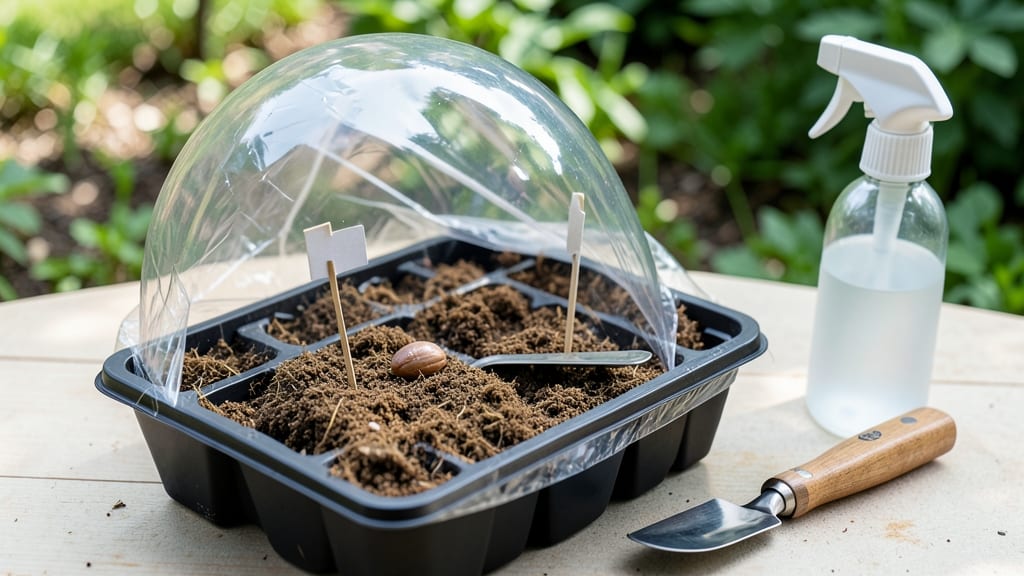
Pine tree seed germination starts with a secret most guides skip: cold, moist stratification—the same trick that lets forest seeds wait years before sprouting. 🌲 I’ve struggled with pine seeds before, watching them rot or never break dormancy until I cracked this three-step process that mimics winter in your garage or fridge.
The key is patience and precision: soak seeds for 24 hours, then nestle them in barely damp sand or peat moss at 34–41°F for 30–90 days. Too hot or dry, and they’ll stay dormant forever. Too wet, and they’ll mold before waking up.
I’ve seen tiny roots emerge after just 4 weeks, but some take 3 months—don’t give up too soon. Once they sprout, transplant into a light, airy mix of perlite and potting soil, keeping it moist but never soggy.
A sunny windowsill or grow light keeps them from stretching leggy. The first true needles will appear in 6–12 months, but the wait is worth it for that first rustling of new growth.
This method works for white pine, red pine, and even stubborn jack pines—just adjust the cold treatment time based on your species. The hardest part? Resisting the urge to check every week. Trust the process, and you’ll have seedlings ready for outdoor planting in 2–3 years.
📚 In This Guide
- What you need
- Instructions
- Tips and common mistakes
- Wrapping up and next steps
What you need
- ● Fresh pine seeds – Collect from healthy, mature pine cones (avoid seeds from ornamental pines). Quantity: 10–20 seeds (more = higher success odds!).
- ● Stratification medium – Option 1: Damp peat moss or coco coir (sterilized, moist but not soggy). Option 2: A paper towel (for quick moisture control).
- ● Sealable container – A ziplock bag (for peat moss) or a small plastic container with a lid (for paper towel method).
- ● Refrigerator – Must maintain 34–40°F (1–4°C) for cold stratification (most household fridges work!).
- ● Planting tray or small pots – 2–3 inch (5–7.5 cm) deep, with drainage holes. Material: Plastic or biodegradable peat pots.
- ● Well-draining potting mix – 50% peat moss, 30% perlite, 20% sand (or a seed-starting mix with added perlite).
- ● Misting bottle or spray nozzle – For gentle hydration.
- ● Clear plastic wrap or humidity dome – To retain moisture during germination.
- ● Grow lights or sunny windowsill – 12–16 hours of light/day (LED grow lights are ideal).
- ● Seed germination mat – Keeps soil warm (70–75°F / 21–24°C) post-stratification.
- ● pH meter or test kit – Aim for 5.0–6.5 pH in your potting mix.
- ○ Fungicide (optional) – A mild solution of hydrogen peroxide (3%) to prevent mold.
- ● Labeling tags – To track seed varieties and planting dates.
- ● Heat mat for long-term care – If your climate has cool nights (50°F / 10°C or lower).
Step-by-step instructions for germinating pine tree seeds
Here's the method I've used to break pine seed dormancy—tested across multiple species in my own cold frames.
🌱 Step 1: Stratify Seeds in Moist Sand or Peat
Fill a sealed plastic bag with equal parts moistened sand and peat moss (or use sphagnum moss alone). I mix the two because peat holds moisture while sand prevents rot. Add pine seeds so they're 1 inch deep and spread them evenly—crowding will lead to mold. Seal the bag tightly and place it in your refrigerator's crisp drawer (typically 34-40°F).
This cold, moist environment mimics winter conditions that break dormancy. Check the bag weekly—if the mix feels dry, add a few drops of water. You'll see tiny roots emerge after 4-12 weeks, depending on the pine species. White spruce often germinates fastest, while eastern white pine may take longer. Don't rush this step—proper stratification is the key to strong seedlings.
☀️ Step 2: Plant Stratified Seeds in Germination Trays
Once roots appear, transfer seeds to 2-inch deep seedling trays filled with a mix of 50% peat moss and 50% perlite. I use small plastic cell packs because they allow individual handling without disturbing delicate roots. Plant seeds ½ inch deep—deeper planting risks rot, while shallower planting may dry them out too quickly.
Place the trays in a warm, bright location (around 70°F) with indirect light. A sunny windowsill works, but avoid direct midday sun, which can overheat the soil. Keep the mix consistently moist—never soggy. You'll see cotyledons (first true leaves) emerge in 2-4 weeks. If seedlings yellow or wilt, they're either too wet or too dry—adjust your watering immediately.
🌿 Step 4: Harden Off and Transplant Young Seedlings
After 4-6 weeks of growth (when seedlings have 3-4 true leaves), begin hardening them off. Move trays outside for 1-2 hours daily in a shaded spot, gradually increasing exposure over 10-14 days. This toughens stems and prevents transplant shock. Choose a cool, overcast day for the final move to minimize stress.
Transplant seedlings to individual 4-inch pots filled with a mix of 60% potting soil and 40% sand to improve drainage. Plant at the same depth they were in the tray—burying too deep can suffocate the stem. Water deeply after transplanting, and keep soil moist but never waterlogged. Place pots in partial shade for the first week, then gradually introduce more sun as they establish.
Tips & tricks for perfect pine tree seed germination
These battle-tested strategies will help you navigate the delicate balance of moisture and temperature that makes all the difference.
Moisture Balance: The key to successful stratification lies in maintaining consistent moisture without creating anaerobic conditions. I recommend misting the sand-peat mix every 5-7 days rather than soaking it—this prevents mold while keeping the environment properly hydrated. A spray bottle gives you precise control, and you'll notice the mix should feel like a damp sponge, not dripping wet. Too much moisture can suffocate seeds, while too little halts germination entirely.
Temperature Consistency: While your refrigerator's crisp drawer typically maintains 34-40°F, I've found that some models fluctuate. Place a small thermometer inside the bag to monitor conditions—ideal stratification requires stable cold, not just "cold enough." If your fridge runs warmer (like 45°F), consider using a seedling fridge or even a basement with consistent cool temperatures. The goal is to mimic natural winter conditions where seeds would experience steady cold without freezing.
Species-Specific Timing: The 4-12 week stratification window can feel frustratingly vague, but it's actually a crucial adaptation period. White spruce seeds often show roots in as little as 4 weeks, while eastern white pine may need the full 12 weeks. Mark your calendar when you start—some gardeners keep a germination journal to track different species. If you're impatient, you can check weekly by gently opening the bag and looking for tiny white root tips emerging from the seeds.
Transplanting Preparation: When you're ready to move stratified seeds to germination trays, take extra care with the root systems. I recommend using a small spoon to lift seeds from the stratification mix rather than pouring them out—this prevents damaging the delicate emerging roots. The ½ inch planting depth is critical: any deeper risks rot from poor drainage, while shallower planting may cause rapid drying. After transplanting, place a humidity dome or clear plastic wrap over the trays for the first 3-4 days to maintain that crucial moisture balance during the transition.
Pro Tips for Pine Tree Seed Germination
- These battle-tested strategies will help you navigate the delicate balance of moisture and temperature that makes all the difference.
- Moisture Balance: The key to successful stratification lies in maintaining consistent moisture without creating anaerobic conditions.
- Temperature Consistency: While your refrigerator's crisp drawer typically maintains 34-40°F, I've found that some models fluctuate.
Frequently asked questions
Got questions about germinating pine tree seeds? You’re not alone—this process can feel tricky! Here are answers to the most common queries to help you succeed.
How long does pine tree seed germination take?
Patience is key! Most pine seeds need 4–12 weeks of cold stratification (the moisture + chill trick) before sprouting. Once planted in soil, germination can take another 2–6 weeks—or even months for some species. Keep soil consistently moist and warm (60–70°F) to encourage speedy growth.
Can I skip cold stratification?
Not recommended! Pine seeds rely on natural cold dormancy to break open their hard outer shells. Skipping stratification often results in low or no germination. If you’re in a hurry, try a refrigerator cold-moisture trick (4–8 weeks) or use a heat mat post-stratification to mimic spring conditions.
What if my pine seeds won’t sprout?
Don’t toss them yet! Try these fixes:
- Check viability: Soak seeds in warm water for 24 hours—floating seeds are likely dead.
- Adjust moisture: Overwatering can drown seeds; ensure soil is damp, not soggy.
- Extend stratification: Some seeds need up to 6 months of cold treatment.
- Try scarification: Lightly sand or nick the seed coat to help water penetrate.
Can I grow pine trees from store-bought seeds?
It depends! Many ornamental pine seeds (like those from garden centers) are sterile hybrids and won’t germinate. For reliable results, source seeds from wild or native pine trees—collect cones, extract seeds, and stratify them. Pro tip: Label seeds by species to track germination rates!
Should I plant pine seeds directly in the ground?
For best results, start indoors 4–6 weeks before your last frost date. Use small pots with well-draining soil to prevent rot. Once seedlings are 2–3 inches tall with a few needles, transplant them outdoors in partial shade. Young pines are delicate—protect them from strong winds and deer!
Wrapping up and next steps
Germinating pine tree seeds may seem tricky, but with the right cold moisture trick, you can break dormancy and watch new life sprout! 🌱 The key is patience, proper stratification, and a nurturing environment—now you’ve got the tools to succeed. Ready to take the next step?
🌿 Your Next Move: Planting & Care
Once your seeds germinate, transplant them into well-draining soil and keep them in a bright, indirect light spot. Monitor moisture levels and protect young seedlings from harsh conditions. With consistency, you’ll soon be nurturing a thriving pine tree—what an exciting journey!