
Lawn
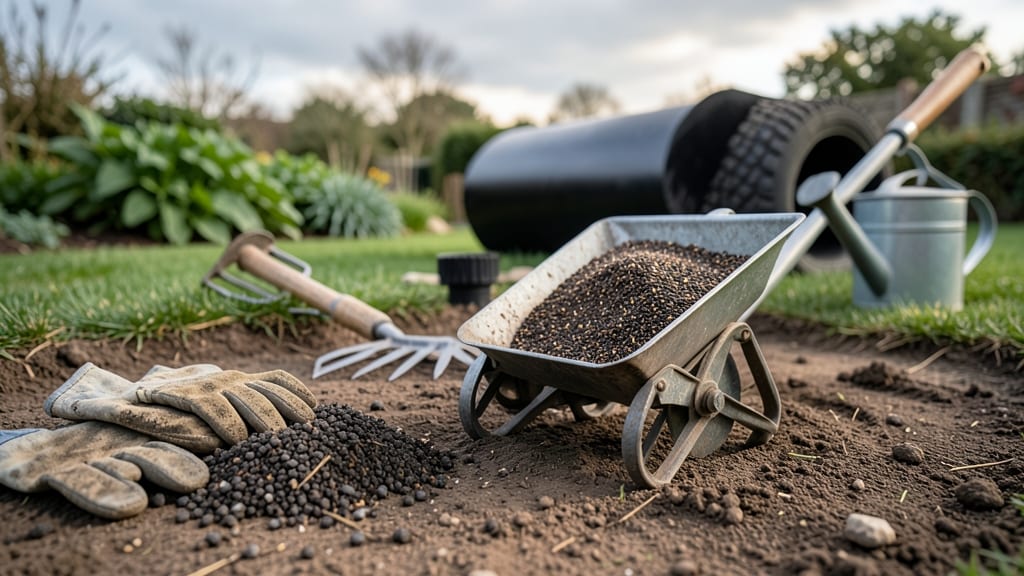
September is the perfect month to plant grass seed—when temperatures drop and weeds slow down. 🌱 I’ve planted lawns in fall for years, and the results are always thicker, greener turf that survives winter better than spring starts.
The key? Cool-season grasses thrive in this shoulder season, while warm-season types get a head start before summer heat arrives.
You’ll need a rake, a spreader, quality seed (like tall fescue or Kentucky bluegrass), and a light layer of straw to protect new sprouts. Soil prep matters most—remove debris, loosen compacted areas, and level uneven spots.
Most regions see 6-8 weeks of ideal germination before frost, so act fast once the seed hits the ground.
By late October, you’ll see dense green blades pushing through the soil, and the lawn will outperform spring plantings by next summer. The secret? Consistent moisture (water lightly daily) and patience—no mowing until the grass reaches 3-4 inches tall.
Weeds are less aggressive this time of year, so you’ll spend less time pulling them.
Works for Northern climates (cool-season grasses) or Southern areas (warm-season types with early starts). For extra protection, consider a light frost blanket in early winter. Once established, your lawn will bounce back faster in spring than ever before.
📚 In This Guide
- What you need
- Instructions
- Tips and common mistakes
- Wrapping up and next steps
What you need
- ● High-quality grass seed (10–20 lbs per 1,000 sq ft, depending on seed type—cool-season blends like tall fescue or Kentucky bluegrass work best in September).
- ● Lawn fertilizer (slow-release, high-nitrogen blend, like 20-0-5 or 30-0-4, ~1 lb per 100 sq ft).
- ○ Starter fertilizer (optional but recommended for new seed—look for high phosphorus, like 5-10-10).
- ● Rake or dethatcher (bendable-tine rake for loose soil, or a dethatcher for thick thatch—rent if needed!).
- ● Broadcast spreader (for even seed distribution) or a hand spreader (for smaller areas).
- ● Lawn roller (lightweight, 50–75 lb, to press seed into soil).
- ● Water source (hose with adjustable nozzle or sprinkler system for gentle, frequent watering).
- ○ Mulching mats or straw (optional but helpful for erosion control in windy areas—use ¼–½ inch straw, not hay).
- ● Soil test kit (to check pH—aim for 6.0–7.0; amend with lime or sulfur if needed).
- ● Pre-emergent herbicide (apply before seeding to prevent weeds—choose one labeled for new seed).
- ● Seedling protectant (like Sluggo or diatomaceous earth to deter pests).
- ● Knee pads or gloves (because let’s be real—raking is a workout!).
- ● Weather tracker app (to plan seeding for a 5–7 day forecast with no rain in the first 24 hours).
Step-by-Step instructions for planting grass seed in September
September’s mild temps and steady moisture make it prime time for thick, resilient turf.
🌱 Step 1: Prepare the Soil for Perfect Seed Contact
Start by mowing your lawn as short as possible—1-1.5 inches—to create an even surface for seed-to-soil contact. This is critical because grass seed needs direct contact with the soil to germinate properly. I use a sharp mower blade to avoid tearing the grass, which can stress the lawn before planting.
After mowing, remove all debris and thatch with a rake. Thatch is the layer of dead grass and roots that builds up between the soil and grass blades, and more than ½ inch will block water and air from reaching the seed. If you have thick thatch, consider dethatching first with a vertical mower attachment. Once cleared, loosen the top ¼ inch of soil with a garden rake to create a rough, textured surface. This helps seeds nestle into the soil rather than sitting on top where they can dry out or wash away.
💧 Step 2: Choose the Right Seed and Spread Evenly
Pick a high-quality grass seed blend suited to your climate and sun exposure—cool-season grasses like Kentucky bluegrass, fescue, or ryegrass thrive when planted in September. I always check the seed packet for recommended application rates, which typically range from ½ to 2 pounds per 1,000 square feet, depending on the grass type and whether you’re overseeding or starting from scratch.
Use a broadcast spreader for large areas to ensure even coverage. Walk in opposite directions (like a crosshatch pattern) to avoid missing spots or over-seeding in one area. For smaller patches, sprinkle seeds by hand, spacing them about 2-3 times their diameter apart. Lightly rake the area again to press seeds into the soil—just enough so they’re covered but not buried deeper than ¼ inch. This keeps them moist and protected while allowing sunlight to reach them for germination.
☀️ Step 3: Water Gently and Consistently for Germination
Water immediately after planting to settle the seeds into the soil. Use a gentle sprinkler or hose with a fine mist setting to avoid dislodging them. For the first 7-10 days, keep the soil surface consistently moist—like a wrung-out sponge. You’ll know you’re doing it right when the top ½ inch of soil stays damp but not soggy. Overwatering can suffocate seeds, while underwatering lets them dry out before germinating.
Water lightly 2-3 times daily (morning, afternoon, and evening) for the first week. Once seedlings appear—usually in 7-21 days—switch to deeper, less frequent watering to encourage root growth. Aim for 1 inch of water per week, delivered in the early morning so the grass blades dry quickly and reduce disease risk. Avoid walking on the new grass until it reaches 3 inches tall to prevent damaging the delicate roots.
✂️ Step 4: Maintain and Protect New Growth
Once your new grass reaches 3-4 inches tall, it’s time for the first mow. Set your mower blade to 3 inches to avoid scalping the grass, which weakens roots and invites weeds. Never remove more than ⅓ of the blade height at a time—this keeps the grass healthy and encourages dense growth. I also fertilize lightly with a starter fertilizer (high in phosphorus) to boost root development, but hold off on heavy feeding until the grass is established.
Watch for weeds or bare spots and reseed those areas immediately. September’s cooler temps reduce weed competition, giving your grass a better chance to fill in. If birds or animals disturb the seed, cover the area with a lightweight straw mulch (applied at ¼ inch thick) to protect it until germination. Avoid heavy foot traffic or playing on the new grass for at least 4-6 weeks to let the roots strengthen.
Tips & tricks for planting grass seed in September
September’s perfect conditions can make or break your lawn—here’s how to maximize success without the common pitfalls.
The Soil Prep Secret: After mowing to 1-1.5 inches in Step 1, test your soil’s moisture by squeezing a handful—it should hold together but not be sticky. If it’s too dry, water lightly before seeding. The goal is to create a soft, crumbly texture that lets seeds nestle just below the surface without being buried. This tiny detail makes all the difference in germination rates.
Seed Spread Strategy: For Step 2, I’ve found that walking in a crosshatch pattern (north-south, then east-west) with a broadcast spreader ensures even coverage, especially on slopes. If you’re seeding by hand, sprinkle seeds in one direction first, then turn 90 degrees and sprinkle again—this prevents clumping. Remember, the goal is to space seeds about 2-3 times their diameter apart, not to create a thick blanket.
Watering Wisdom: During the critical 7-10 day germination window in Step 3, I set a timer for my morning and evening watering sessions. Use a rain gauge or tuna can to measure—you want just ½ inch of water each time, delivered gently to avoid washing seeds away. The "wrung-out sponge" test works best: press your finger into the soil; if water beads up on the surface, you’re overdoing it.
Protecting New Growth: In Step 4, when your grass reaches 3 inches, resist the urge to mow shorter than 3 inches—this is when roots are establishing. I’ve seen homeowners cut too early and end up with weak grass that struggles to recover. Also, if birds or squirrels start digging up your seeds, cover the area with a thin layer of straw mulch (¼ inch thick) to protect them until germination.
Pro Tips for Planting Grass Seed In September
- September’s perfect conditions can make or break your lawn—here’s how to maximize success without the common pitfalls.
- The Soil Prep Secret: After mowing to 1-1.5 inches in Step 1, test your soil’s moisture by squeezing a handful—it should hold together but not be sticky.
- Seed Spread Strategy: For Step 2, I’ve found that walking in a crosshatch pattern (north-south, then east-west) with a broadcast spreader ensures even coverage, especially on slopes.
Frequently asked questions
Can I plant grass seed in September if my soil is still warm?
Yes! September is ideal because soil temperatures are cooling but still warm enough for seed germination. Aim for 60–75°F—if your soil is hotter, water it more frequently to prevent drying. Cooler evenings help reduce weed competition, giving grass a better start.
How long does it take for grass seed to grow in September?
Most cool-season grasses (like fescue or ryegrass) sprout in 7–21 days if conditions are right. Warm-season grasses (like Bermuda) may take longer—up to a month. Keep soil moist and protect seedlings from frost until roots establish (usually after 4–6 weeks).
Do I need to water grass seed daily in September?
Yes! Water lightly twice daily (morning and evening) to keep the top 1–2 inches of soil damp. Avoid overwatering—soggy soil can cause rot. Once seedlings are 2–3 inches tall, reduce to 1 inch per week. A sprinkler timer simplifies this task!
What’s the best grass seed for September planting?
Choose cool-season grasses like tall fescue, Kentucky bluegrass, or perennial ryegrass for northern climates. Southern regions can opt for warm-season grasses (e.g., zoysia or St. Augustine) if planted early September. Mixes with clover add nitrogen naturally!
How do I prevent weeds from overtaking new grass seed?
Pre-emergent herbicides before planting can block weeds, but avoid post-emergent sprays until grass is 3 inches tall. Mulch with straw (¼ inch thick) to suppress weeds and retain moisture. Hand-pull weeds early—don’t let them compete for nutrients.
Will frost kill newly planted grass seed?
Light frost usually won’t harm established seedlings, but newly sprouted seeds (under 1 inch) are vulnerable. Cover with a light frost blanket if frost is forecasted. Aim to plant 4–6 weeks before first frost for best results. Monitor local weather for timing!
Wrapping up and next steps
September is your golden opportunity to grow a lush, resilient lawn before winter sets in! By choosing the right grass seed, preparing your soil, and staying consistent with care, you’ll enjoy a thick, green carpet come spring. Don’t let hesitation stop you—now’s the time to act!
Ready to take the next step? Grab your gloves, gather your supplies, and get planting! For extra guidance, check out our lawn care checklist or tag us in your before-and-after photos—we’d love to see your progress! 🌱💚