
Lawn
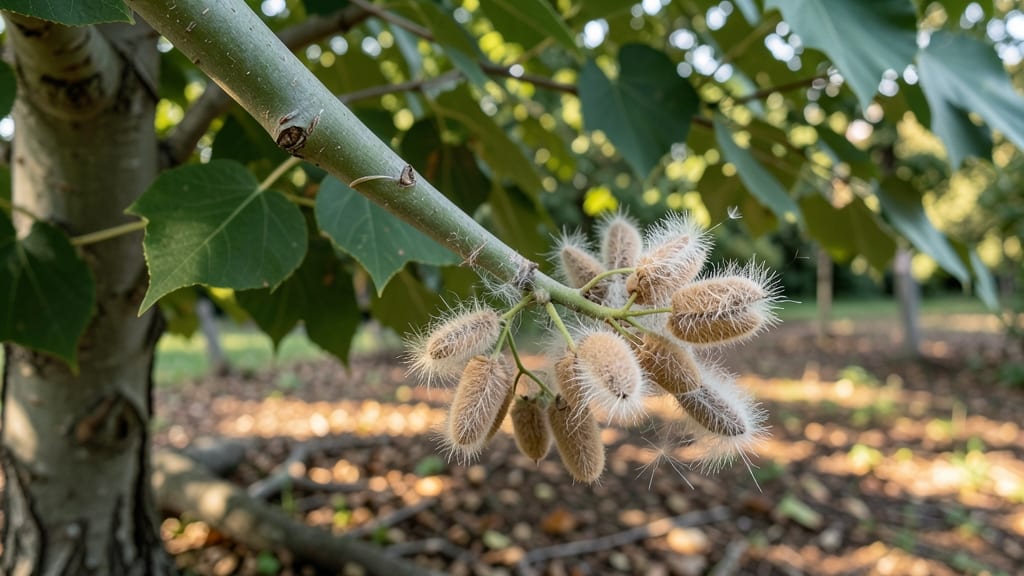
Poplar tree seed pods release their fluffy seeds in weeks—if you miss the window, you’ll need to start over. ✨ I’ve spent years watching these cottony clouds drift away, only to learn how to harvest viable seeds before they escape.
The trick is timing: collect pods when they’re still green and firm, not when they’ve dried to brittle husks.
You’ll need a ladder for tall trees, a bucket for collection, and a cool, dry spot to store pods until they open naturally. Poplar seeds need cold stratification—mimic winter by refrigerating them for 6-8 weeks before planting. This breaks dormancy and boosts germination rates from near-zero to 50-70%.
Once stratified, sow seeds in well-draining soil and keep them moist but not soggy. Young poplars grow fast—expect 2-3 feet of height in their first year—but they’re short-lived unless you prune aggressively. The trade-off? Their fast growth makes them great for erosion control or quick shade.
Fair warning: poplars spread aggressively. Plant them in large landscapes, not small yards, and expect volunteer seedlings popping up everywhere. For home gardens, consider dwarf varieties—but even then, be ready for their wild side.
📚 In This Guide
- What you need
- Instructions
- Tips and common mistakes
- Wrapping up and next steps
What you need
- ● Poplar seed pods: Mature, greenish-brown pods (still closed) from healthy poplar trees (e.g., Populus deltoides, Populus nigra). Aim for 50–100 pods for a small batch of seeds.
- ● Pruning shears or sharp scissors: 1 pair with clean, sterilized blades to avoid damaging pods.
- ● Large paper grocery bags or breathable mesh bags: 2–3 bags (10–15 gallons each) to collect pods without crushing them.
- ● Plastic or glass containers with lids: 1–2 containers (quart-sized or larger) for seed storage.
- ● Labeling tape and markers: To mark containers with harvest dates.
- ○ Gloves (optional): Lightweight gardening gloves to protect hands from sap or prickly stems.
- ● Magnifying glass: For inspecting pods for pests or damage.
- ● Seed drying tray or screen: A wire mesh screen (12"x12") to air-dry pods evenly.
- ● Humidity pack (silica gel): 1 small pack to place in storage containers and reduce moisture.
- ● Notebook and pen: To log pod maturity stages or seed viability notes.
How to harvest poplar tree seed pods at peak viability
Here’s the method I use to collect poplar seeds before they twist open and scatter—timing is everything.
🌿 Step 1: Identify the Right Pods and Harvest Window
Poplar seed pods turn from green to light brown when ready, but they twist open within 24-48 hours of full maturity. I harvest when pods are 70-80% brown but still closed—this ensures maximum seed viability. Look for clusters along the tree’s branches, focusing on the outermost pods first, as they mature earliest.
Use pruning shears to snip entire clusters rather than individual pods. This reduces stress on the tree and makes collection easier. Wear gloves—poplar seeds release an irritating resin that stains and itches. Harvest on a dry, overcast day to prevent premature pod opening from heat.
⏰ Step 2: Dry and Separate the Pods
Spread the harvested pods in a single layer on a clean, breathable surface (like a mesh screen or cardboard) in a well-ventilated, shaded area. Avoid direct sunlight—it accelerates drying and can cause pods to twist open too quickly. Let them dry for 3-5 days, stirring gently once daily to ensure even drying.
Once fully dry, pods will feel light and brittle when squeezed. I place them in a large paper bag and shake vigorously to release seeds. The empty pods will rattle while full seeds remain at the bottom. Sift through the debris with a fine-mesh strainer to collect pure seeds—discard any pods that still contain seeds (they’re past their prime).
💧 Step 3: Test and Store Viable Seeds
Fill a glass of water and drop 10-15 seeds inside. Viable seeds sink immediately (they’re heavy and dense), while empty or damaged ones float. Remove the floating seeds—these won’t germinate. For the sinkers, I soak them in lukewarm water for 12 hours to soften the outer coating, which speeds up germination.
After soaking, drain the seeds and spread them on paper towels in a single layer. Place them in a sealed container with a moisture absorber (like silica gel packets) and store in the fridge for up to 6 months. Label the container with the harvest date—older seeds lose viability faster, especially in humid climates.
🌱 Step 4: Plant or Preserve for Future Use
For immediate planting, sow seeds in well-draining soil mixed with sand (poplar seeds dislike soggy conditions). Press them ¼ inch deep and keep the soil moist but not wet. Germination takes 2-4 weeks in 65-75°F soil. Thin seedlings to 6 inches apart once they reach 3 inches tall—crowding weakens roots.
If you’re not planting right away, stratify the seeds by mixing them with damp sand in a sealed container and refrigerating for 4 weeks. This mimics winter conditions and breaks dormancy. Poplar seeds are light-sensitive, so store containers in dark, cool places until ready to plant.
Tips & tricks for harvesting poplar tree seed pods
Timing and technique make all the difference when harvesting poplar seeds—here’s how to avoid common pitfalls and maximize your yield.
Timing is Everything: The 24-48 hour window after pods turn 70-80% brown is critical. I’ve learned this the hard way—harvesting too early means unripe seeds, while waiting too long means they’ll twist open and scatter. Check pods daily starting when they first show brown spots. If you miss the window, you’ll need to wait for the next batch, which can be weeks away.
Equipment Matters: Pruning shears are non-negotiable for clean cuts, but don’t overlook gloves—the resin from poplar pods stains and irritates skin. I keep a pair of heavy-duty gardening gloves in my harvesting kit. For drying, avoid plastic containers; breathable surfaces like mesh screens or cardboard prevent moisture buildup that could ruin your seeds. A fine-mesh strainer is worth investing in—it makes separating seeds from debris effortless.
Drying Strategy: The 3-5 day drying period requires patience. I set up a drying station in my garage with a small fan circulating air—this speeds up the process without risking direct sunlight. Stir pods once daily to prevent mold, especially if humidity is high. A quick test: fully dried pods should rattle when shaken and feel brittle when squeezed. If they still feel pliable, extend drying by another day.
Storage Wisdom: The 12-hour soak in lukewarm water is non-negotiable for breaking seed dormancy. I use a timer to avoid over-soaking, which can damage seeds. For long-term storage, I double-check that my sealed containers have moisture absorbers—condensation is the enemy of seed viability. Labeling containers with harvest dates saves headaches later; I’ve seen seeds lose viability in as little as 3 months if stored improperly.
Pro Tips for Poplar Tree Seed Pods
- Timing and technique make all the difference when harvesting poplar seeds—here’s how to avoid common pitfalls and maximize your yield.
- Timing is Everything: The 24-48 hour window after pods turn 70-80% brown is critical.
- Equipment Matters: Pruning shears are non-negotiable for clean cuts, but don’t overlook gloves—the resin from poplar pods stains and irritates skin.
Frequently asked questions
about poplar tree seed pods—because even the fluffiest challenges need answers!When is the best time to harvest poplar seed pods?
Harvest poplar seed pods when they’re green but slightly soft—typically in late spring to early summer (May–June in most regions). Wait until they’re fully ripe but before they twist open and release seeds. Check pods daily for the perfect timing!
How long do harvested poplar seed pods stay viable?
Freshly harvested poplar seeds remain viable for 2–4 weeks if stored in a cool, dry place (like a paper bag). For longer storage, dry seeds completely and refrigerate in an airtight container. Pro tip: Test viability by planting a few—if they sprout, the rest are good!
Can I plant poplar seed pods directly from the tree?
Yes! You can plant them directly, but stratification (mimicking winter) improves germination. Scratch the seed coat lightly with sandpaper, soak in water for 24 hours, then plant ½ inch deep in moist soil. Keep soil consistently damp until sprouts appear (2–4 weeks).
Why did my poplar seed pods twist open too soon?
Overripe pods twist open naturally, but drought stress or lack of humidity can speed it up. Harvest pods earlier if your area is dry. If pods are already open, try collecting seeds from unopened pods on the same tree—or propagate from cuttings instead!
Are poplar seed pods invasive? Should I remove them?
Poplar trees (like cottonwoods) can spread aggressively, but seed pods themselves aren’t invasive. The concern is uncontrolled seedlings. If you’re not planting them, remove pods promptly to prevent unwanted growth. For landscapes, consider male poplar varieties (they produce fewer seeds).
Wrapping up and next steps
Poplar tree seed pods are a fascinating—and often overlooked—part of nature’s cycle. By harvesting them at the right stage, you can ensure viable seeds for propagation while avoiding the messy "cotton candy" effect of fully mature pods.
Whether you're a gardener, landscaper, or just curious about the process, understanding these poplar tree seed pods gives you a hands-on way to connect with your outdoor space.
Ready to give it a try? Grab your tools, head outside, and enjoy the rewarding process of nurturing new growth from these unique seed pods! 🌱