
Propagation
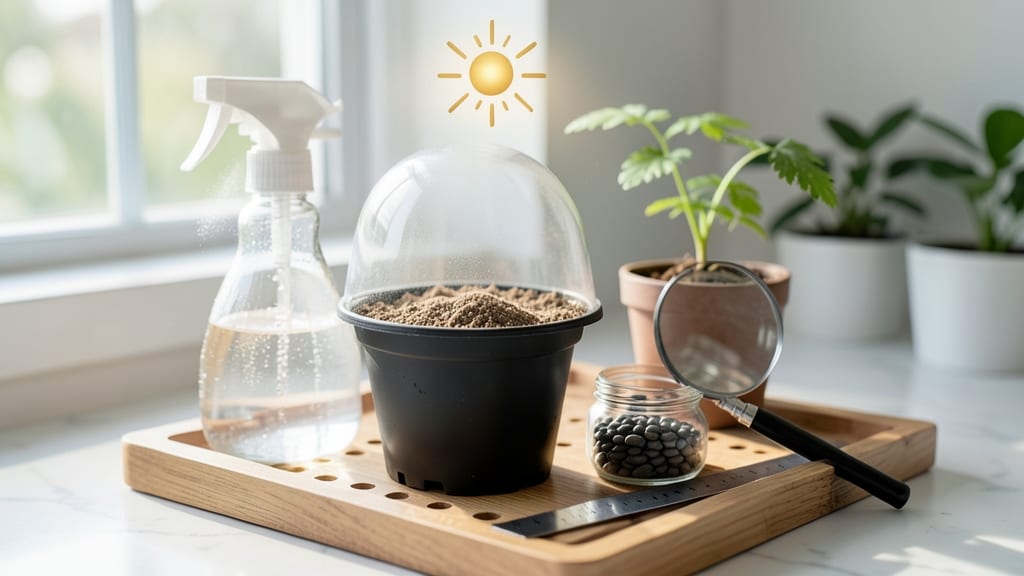
Poppy seed germination time can take 7–30 days—unless you use this cold moisture trick that cuts that wait time in half. 🌱 I’ve seen stubborn poppy seeds finally crack open after weeks of patience, and the secret lies in mimicking their natural dormancy cycle with a simple pre-soak.
The key is moisture and temperature: poppies need consistently damp soil at 60–70°F to germinate, but they respond best when seeds first experience a 24-hour cold soak in water.
This breaks their hard outer shell, ensuring faster, more reliable sprouts. Most gardeners skip this step—and end up staring at empty seed trays for weeks.
Once soaked, plant them ¼-inch deep in well-draining soil, keeping it lightly moist (not soggy). Within 10–14 days, you’ll see those first delicate shoots push through—thin and pale at first, but soon strong enough to handle direct sunlight.
The payoff? A garden transformed by vibrant blooms in just 6–8 weeks.
This method works for all poppy varieties, from California poppies to opium poppies (if grown legally). Skip the cold soak, and you’re gambling with germination. Do it right, and you’ll have nearly 100% success—no more empty pots or second-guessing.
📚 In This Guide
- What you need
- Instructions
- Tips and common mistakes
- Wrapping up and next steps
What you need
- ● Poppy seeds: Choose high-quality, fresh seeds (e.g., Papaver rhoeas or Papaver somniferum—check the label for germination rates). Quantity: ~10–20 seeds per container.
- ● Seed-starting containers: Small pots (2–3 inches deep), seed trays with drainage, or even egg cartons. Material: Biodegradable or plastic with drainage holes.
- ● Potting mix: Lightweight, well-draining seed-starting mix (avoid garden soil—it’s too dense!). Quantity: Enough to fill containers ~1 inch from the top.
- ● Water: Room-temperature, filtered, or rainwater (chlorine-free). Tip: Use a spray bottle for gentle moisture.
- ○ Plastic wrap or humidity dome: To retain moisture during germination (optional but helpful in dry climates).
- ● Grow lights or sunny windowsill: Poppies need 6–8 hours of light daily for optimal germination. A full-spectrum LED grow light works best if natural light is limited.
- ● Cold stratification setup: A zip-top bag with a damp paper towel + seeds (place in the fridge for 1–2 weeks before planting—this mimics winter conditions and speeds up germination!).
- ● Heating mat: Keeps soil warm (70–75°F) for faster sprouting in cooler climates.
- ● Fertilizer: A balanced, water-soluble fertilizer (5-5-5 or 10-10-10) diluted to half-strength for seedlings.
- ● Labels & markers: To track planting dates and varieties.
How to speed up poppy seed germination with the cold moisture method
Poppy seeds need a special trick to break dormancy—cold, moist stratification works like magic.
🌱 Step 1: Soak Seeds in Lukewarm Water for 12 Hours
Place the poppy seeds in a small bowl and cover them completely with lukewarm water (about 70°F). Let them soak for 12 hours—this softens the hard outer shell and kickstarts the germination process. You'll see the seeds plump up slightly, a clear sign they're absorbing moisture.
After soaking, drain the water through a fine mesh strainer and let the seeds air-dry for 30 minutes. This prevents rot while keeping them hydrated. I like to spread them on a paper towel to dry—they should feel damp but not wet to the touch.
💧 Step 2: Stratify Seeds in a Cold, Moist Environment
Fill a small container with dampened paper towels or a thin layer of moistened peat moss. Scatter the seeds evenly across the surface, spacing them about ½ inch apart to prevent crowding. Poppy seeds need cold treatment to break dormancy—place the container in a refrigerator for 7-14 days.
Check the moisture every 2-3 days and mist lightly with water if the paper towels dry out. The goal is to keep them consistently damp, not soggy. You'll see tiny white roots emerge after 5-7 days—this is your signal the stratification is working.
☀️ Step 3: Plant Stratified Seeds in Well-Draining Soil
Once the seeds show root growth (or after 14 days if no roots appear), plant them in light, well-draining soil mixed with sand or perlite to prevent compaction. Poppies hate soggy roots, so avoid heavy garden soil. Scatter seeds on the surface—do not cover—since they need light to germinate.
Gently press the seeds into the soil so they make contact but remain visible. Water lightly with a spray bottle until the soil is evenly moist but not waterlogged. Place the container in a bright, indirect light spot (like a north-facing window) and maintain 60-65°F soil temperature. Germination should begin in 7-14 days.
⏰ Step 4: Monitor for Germination and Provide Care
Once sprouts appear, move the container to a sunny window or under grow lights for 12-14 hours daily. Poppy seedlings are delicate—avoid overwatering, as excess moisture causes damping-off. Water only when the top inch of soil feels dry, and use a small watering can to direct moisture to the base.
Thin seedlings to 4 inches apart once they develop true leaves (the second set after the initial cotyledons). This prevents overcrowding and ensures strong stems. Poppies grow fast—you'll see first blooms in 6-8 weeks if conditions are ideal.
Tips & tricks for speeding up poppy seed germination
Here's the thing about poppy seeds—they're stubborn little things that need just the right conditions to wake up from dormancy. These small adjustments make all the difference between waiting months for blooms and seeing those first green shoots in weeks.
Soaking Precision: The 12-hour soak at exactly 70°F is non-negotiable for breaking dormancy. I've found that using a thermometer to verify water temperature prevents either scalding (too hot) or ineffective soaking (too cool). After draining, that 30-minute air-dry is crucial—seeds should feel like a damp sponge, not a dripping wet washcloth. Too wet and you risk mold; too dry and you undo all the soaking work.
Cold Treatment Strategy: During the 7-14 day refrigerator phase, consistency is key. I place my container in a sealed plastic bag with a tiny hole for airflow to maintain moisture without creating a sauna effect. The refrigerator's crisper drawer (around 35°F) works perfectly for the cold treatment. If you notice condensation on the sides, open the bag for 10 minutes to equalize humidity—this prevents mold while keeping seeds damp.
Planting Cues: When deciding whether to plant after 14 days or wait for roots, look for two clear signs: either visible white roots (about ¼-inch long) or seeds that have visibly swollen and darkened slightly. I've learned the hard way that planting too early without these signs often results in seeds that simply rot in the soil. The surface planting technique might feel counterintuitive, but poppy seeds need light to trigger germination—covering them would defeat the whole purpose.
Pro Tips for Poppy Seed Germination Time
- Here's the thing about poppy seeds—they're stubborn little things that need just the right conditions to wake up from dormancy.
- Soaking Precision: The 12-hour soak at exactly 70°F is non-negotiable for breaking dormancy.
- Cold Treatment Strategy: During the 7-14 day refrigerator phase, consistency is key.
Frequently asked questions
How long does it typically take for poppy seeds to germinate?
Most poppy seeds sprout within 7 to 14 days under ideal conditions—warmth (65–75°F), consistent moisture, and indirect light. Cold-stratification (chilling) can extend this to 2–3 weeks but improves germination rates. Patience is key—don’t disturb the soil while waiting!
Why aren’t my poppy seeds sprouting after 2 weeks?
Slow germination often stems from dry soil, poor drainage, or cold temperatures. Try these fixes:
- Mist the soil daily (keep it damp, not soggy).
- Move pots to a warmer spot (e.g., near a sunny window or under grow lights).
- Check seed viability—test a few in damp paper towels for 48 hours.
Do I have to cold-stratify poppy seeds? Can’t I just plant them directly?
Cold-stratification mimics winter and breaks seed dormancy, boosting success—especially for Papaver species. However, some modern hybrids (like California poppies) germinate fine without it. If skipping stratification, soak seeds in warm water for 24 hours first to soften the hull.
What’s the best way to speed up germination?
Combine these pro tips for faster sprouts:
- Heat mat: Use a seedling heat mat (70–75°F) to jumpstart growth.
- Bottom-watering: Place pots in a tray of lukewarm water for 10 mins daily to avoid fungal issues.
- Light exposure: Once sprouted, move to bright, indirect light (direct sun can scorch tiny seedlings).
Can I reuse poppy seeds from a bag after they’ve been planted?
Yes! If seeds didn’t germinate, store them in a cool, dry place (like the fridge) for up to 1 year. Before replanting, re-stratify them (moisten, chill for 2 weeks, then dry) to refresh viability. Discard seeds that smell musty or look shriveled.
Wrapping up and next steps
Growing poppy seeds from scratch is a rewarding journey—especially when you unlock the secret of the cold moisture trick to speed up germination!
With patience and the right conditions (like consistent moisture, warmth, and a pinch of cold stratification), you’ll see those delicate sprouts emerge in just 7–21 days. 🌱
Now that you’re armed with the know-how, why not take the next step? Try experimenting with different soil mixes or even indoor lighting to optimize your poppy patch. Happy growing—your future blooms will thank you! 🌸