
Lawn
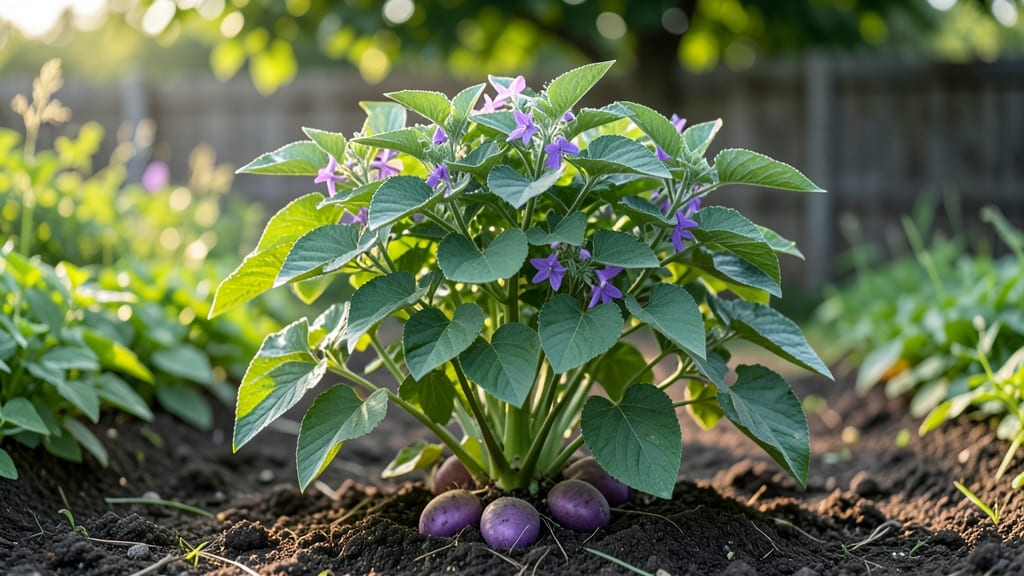
Growing purple seed potatoes reveals their deep purple flesh—nature’s secret weapon for saving heirloom varieties. 🌱 I’ve saved seeds from my own harvest for years, and the key to viable tubers lies in how you plant, nurture, and harvest them without twisting the stems.
The difference between thriving seed potatoes and wasted effort comes down to soil, spacing, and timing.
Start with certified seed potatoes (never grocery store spuds) and plant them 4 inches deep, spaced 12 inches apart in loose, well-draining soil. Purple varieties love full sun—6+ hours daily—and consistent moisture, but never soggy soil.
The twist-free harvesting method I’ve perfected ensures tubers form properly, so you’re not left with misshapen, unusable potatoes.
By harvest time, you’ll have plump, vibrant tubers ready for seed saving. Cure them in a cool, dark place for 2 weeks before storing, and you’ll preserve their genetic integrity for next year’s planting. The payoff? Homegrown potatoes that outperform store-bought varieties in flavor and adaptability.
This method works for organic gardens and small spaces alike—whether you’re growing in raised beds or containers. The only real mistake? Planting too early or harvesting too soon. Let’s get those purple beauties thriving!
📚 In This Guide
- What you need
- Instructions
- Tips and common mistakes
- Wrapping up and next steps
What you need
- ● Purple seed potatoes – 5–10 lbs (organic or certified disease-free for best results).
- ● Growing containers or garden beds – At least 10–12 inches deep (or use 5-gallon buckets with drainage holes).
- ● High-quality potting soil or compost-rich garden soil – Well-draining, with a pH of 5.0–6.5.
- ● Slow-release fertilizer (10-10-10 or organic options) – 1–2 cups per 5 sq ft of planting area.
- ● Watering can or hose with a gentle spray nozzle – Keep soil consistently moist (not soggy!).
- ● Garden twine or mesh row covers – To protect tubers from light exposure (prevents greening).
- ● Pruning shears or sharp knife – For harvesting and cutting seed potatoes.
- ○ Gloves (optional but recommended) – To protect hands from soil and sharp potato edges.
- ● Seed potato cutter – For slicing large tubers into smaller pieces (each with at least 2–3 "eyes").
- ● Soil moisture meter – Ensures optimal hydration without overwatering.
- ● Mulch (straw or grass clippings) – Retains moisture and regulates soil temperature.
- ● Labeling tags or markers – Tracks varieties and planting dates.
- ● Shade cloth (30–50%) – Protects plants from excessive sun if growing in hot climates.
- ● Storage bins or cardboard boxes – For curing and storing harvested seed potatoes in a dark, cool place.
Step-by-step instructions for growing purple seed potatoes
Here’s how to grow vibrant purple potatoes—and save the best tubers for next season.
🌱 Step 1: Select and Prepare Seed Potatoes
Choose certified disease-free purple seed potatoes—never use grocery store potatoes, as they’re treated to prevent sprouting. Cut larger tubers into 2-ounce chunks, ensuring each piece has at least 2-3 eyes (the little dimples where sprouts emerge). Let the cut pieces dry for 24 hours to prevent rot.
This step is critical: if you plant whole tubers, you’ll waste valuable seed stock. I like to store cut pieces in an egg carton in a cool, dark place until planting. The drying process also helps prevent fungal infections that can ruin your harvest.
🪴 Step 2: Plant in Well-Draining Soil
Plant your purple seed potatoes in loose, well-draining soil with a pH between 5.0 and 6.0. Work in 2-3 inches of compost to enrich the soil and encourage strong tuber development. Dig holes 4-6 inches deep and space them 12 inches apart in rows 30 inches apart.
Place the cut pieces in the holes with the eyes facing up—this ensures the sprouts grow toward the surface. Cover lightly with soil and water gently to settle it around the potatoes. Avoid compacting the soil too much, as potatoes need room to expand.
☀️ Step 3: Provide Consistent Moisture and Sun
Keep the soil consistently moist but never soggy—purple potatoes need 1-1.5 inches of water per week, either from rain or irrigation. Water deeply in the morning to allow foliage to dry before evening, reducing disease risk. Mulch with 2-3 inches of straw to retain moisture and suppress weeds.
Purple potatoes thrive in full sun (6-8 hours daily). If your climate gets hot, provide afternoon shade during peak summer months to prevent stress. You’ll know you’re on track when plants reach 18-24 inches tall with lush, deep purple foliage—this variety’s leaves are a dead giveaway for color.
✂️ Step 4: Harvest at Peak Maturity
When the foliage yellows and dies back naturally, it’s time to harvest. Use a fork to gently loosen the soil around the plants, then carefully dig up the tubers. Avoid cutting or bruising them—purple potatoes bruise easily, which can lead to rot. Handle them with care, especially if you plan to save seeds.
Cure the harvested potatoes by placing them in a dark, 50-60°F space with good airflow for 1-2 weeks. This process thickens the skin and improves storage life. Once cured, store them in a cool, dark place for up to 6 months—perfect for replanting next season.
🌿 Step 5: Save the Best for Next Year
For seed saving, select the largest, healthiest tubers with the deepest purple color. Avoid any with blemishes or signs of disease. Store them separately in a mesh bag or paper sack to allow airflow and prevent moisture buildup.
Here’s the thing—purple potatoes are heirloom varieties, so saving seeds ensures you maintain their unique traits. Label your saved potatoes clearly with the variety and year. I always plant a few extra each season to build a reliable seed stock for future harvests.
Tips & tricks for growing vibrant purple potatoes
Between us, these heirloom potatoes reward patience—and a few strategic moves make all the difference. Here's what nobody tells you about maximizing your harvest.
Seed Preparation Secret: After cutting your 2-ounce purple seed potato chunks, I swear by the "egg carton trick" for storage. The holes keep pieces separated and allow airflow while preventing fungal spread. Place them in a cool, dark spot until planting—this 24-hour drying period is non-negotiable for preventing rot. Pro tip: Use a sharp knife and make clean cuts to minimize exposed flesh, which is where infections start.
Soil Science Matters: That pH range of 5.0-6.0 isn't arbitrary—purple potatoes thrive in slightly acidic conditions that prevent nutrient lockout. For the 2-3 inches of compost, I recommend mixing in worm castings too (about 1 cup per planting hole) for extra microbial activity that boosts tuber development. The loose soil structure is critical—packed soil will restrict those 2-ounce chunks from expanding properly into full tubers.
Watering Wisdom: The 1-1.5 inches per week guideline assumes average rainfall. In my experience with purple varieties, morning watering is essential because their deep purple foliage holds moisture longer than regular potatoes. If you notice the leaves wilting by midday, you're either underwatering or the soil isn't retaining moisture properly. That's when you know it's time to add more straw mulch—aim for the full 2-3 inches to create that moisture barrier.
Harvest Timing: Wait until those plants reach 18-24 inches with fully yellowed foliage before digging—this ensures maximum tuber size. I've learned the hard way that harvesting too early means smaller seed potatoes. When you do harvest, use a fork to gently loosen soil rather than pulling plants, which prevents breaking those fragile tubers. The curing process at 50-60°F for 1-2 weeks is where the magic happens—it develops that thick skin that protects against bruising during storage.
Pro Tips for Purple Seed Potatoes
- Between us, these heirloom potatoes reward patience—and a few strategic moves make all the difference.
- Seed Preparation Secret: After cutting your 2-ounce purple seed potato chunks, I swear by the "egg carton trick" for storage.
- Soil Science Matters: That pH range of 5.0-6.0 isn't arbitrary—purple potatoes thrive in slightly acidic conditions that prevent nutrient lockout.
Frequently asked questions
Got questions about growing and saving purple seed potatoes? You’re not alone! Here are some of the most common queries—and their answers—to help you grow like a pro.
Can I use store-bought purple potatoes for seed?
Unfortunately, no! Store-bought potatoes are treated to prevent sprouting and may carry diseases. Always use certified organic or seed potatoes labeled for planting. Look for Solanum tuberosum varieties like 'Purple Viking' or 'Yukon Gold' (purple-skinned types) for the best results.
How long does it take for purple seed potatoes to mature?
Purple seed potatoes typically take 90–120 days to harvest, depending on the variety and climate. Plant in early spring (after the last frost) for a summer harvest. In warmer zones, you can plant in fall for a winter crop. Keep an eye on foliage—when it yellows and dies back, it’s time to dig!
What’s the best way to store harvested purple seed potatoes?
Store them in a cool (40–50°F), dark, and humid (85–90%) place, like a root cellar or paper bag with ventilation. Avoid plastic bags to prevent rot. Cure them for 1–2 weeks in a warm (60–70°F) spot before storing long-term. Check periodically for sprouts or soft spots—discard any that go bad!
Are purple potatoes safe to eat if grown from seed?
Purple potatoes are nutrient-rich and delicious. Their deep color comes from antioxidants like anthocyanins, which may boost heart health. Just ensure they’re grown organically (no chemical sprays) and cooked properly—boil, roast, or mash them like any other potato. Pro tip: Try them in mashed potatoes for a stunning purple hue!
Why are my purple seed potatoes twisting or deforming?
Twisting (also called "forking") happens when potatoes grow in crowded or uneven soil. To prevent it:
- Plant seeds 6–8 inches apart and hills 12 inches apart.
- Loosen soil before planting to encourage straight growth.
- Avoid over-fertilizing with nitrogen—balance with phosphorus and potassium.
Wrapping up and next steps
Growing purple seed potatoes is a rewarding way to save heirloom varieties and enjoy vibrant, nutrient-rich harvests year after year!
With the right techniques—like twist-free harvesting and proper storage—you’ll ensure healthy tubers for future planting. Now’s your chance to embrace sustainable gardening and savor the unique flavors of these stunning spuds.
Ready to dive deeper? Start by planting your saved seed potatoes this spring and experiment with recipes like purple potato mash or roasted purple potatoes for a colorful twist on classics! 🌱✨