
Lawn
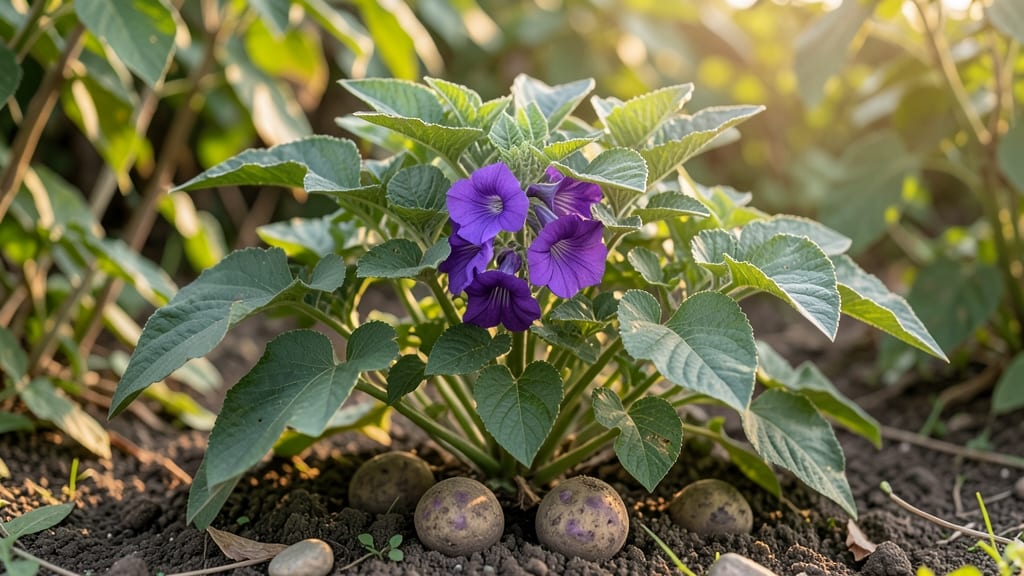
Growing the Purple Viking seed potatoes means digging into a cold-hardy treasure that thrives when most varieties fail. 🌱 These deep purple-skinned, purple-fleshed tubers pack a nutty, slightly sweet flavor that turns every meal into a showstopper—plus, they handle frost like a champ, making them perfect for early spring or late fall planting.
The secret to their success starts with cool soil temperatures: aim to plant when the ground reaches 40-50°F, about 2-4 weeks before your last frost date. They love loose, well-draining soil rich in organic matter, and a spot with 4-6 hours of sunlight daily.
Unlike finicky varieties, Purple Vikings tolerate partial shade better, which is a lifesaver for shadier gardens.
Once planted, water consistently to keep soil moist but not soggy—these potatoes hate dry spells or waterlogged roots. You’ll spot their first purple-tinged leaves in 3-4 weeks, and by midsummer, you’ll be harvesting tubers that stay firm even after months in storage.
The real magic? Their cold resistance means you can plant them earlier than most, giving you a jump-start on the season.
Troubleshooting is simple: watch for scab (white crusty spots) by avoiding overwatering and blight by spacing plants properly. With these tips, you’ll outgrow the average harvest—and your dinner table will never look (or taste) the same again.
📚 In This Guide
- What you need
- Instructions
- Tips and common mistakes
- Wrapping up and next steps
What you need
- ● Purple Viking seed potatoes – 5–10 lbs (about 3–5 lbs per 100 sq ft of garden space). Choose certified disease-free tubers for the best results!
- ● Loose, well-draining soil – Aim for a pH of 5.0–6.5. Amend with compost or aged manure if your soil is heavy or clay-like.
- ● Fertilizer – A balanced 10-10-10 or organic option (like compost or worm castings) to feed the plants as they grow.
- ● Garden space – 12–18 inches of space between rows and 12 inches between plants. Hills or raised beds work great!
- ● Mulch – Straw, grass clippings, or leaves to protect tubers from sunlight and regulate soil temperature.
- ● Garden tools – Trowel, hoe, and a fork or spade for planting and harvesting.
- ● Potato planter or dibber (for precise planting depth).
- ● Row cover or frost cloth (to extend the growing season in cooler climates).
- ● Soil moisture meter (to monitor watering needs).
- ● Organic slug/bug deterrent (like diatomaceous earth or copper tape).
Step-by-step instructions for planting purple Viking seed potatoes
Here's how to grow these cold-hardy beauties with fewer surprises and maximum yield.
🌱 Step 1: Chit and Prep Seed Potatoes for Planting
Start by placing your Purple Viking seed potatoes in a cool, bright spot (around 45-50°F) for 4-6 weeks before your last frost date. This process, called "chitting," encourages strong sprout growth before planting. You'll see tiny white sprouts (called "chits") emerge from the eyes of the potato.
Once sprouts reach about 1 inch long, they're ready to plant. Cut larger seed potatoes into pieces, ensuring each piece has at least 2-3 sprouts and one eye. Let the cut pieces heal for 1-2 days in a dry, shaded area before planting. This prevents rot and gives you healthier starts.
🪴 Step 2: Prepare the Soil and Planting Site
Choose a location with full sun (6-8 hours daily) and well-draining soil. Purple Vikings thrive in cooler climates and can tolerate short growing seasons, making them ideal for northern gardens. Work in 2-3 inches of compost or well-rotted manure into the top 12 inches of soil to improve fertility and drainage.
Dig planting trenches 12 inches deep and space them 3 feet apart in rows. Place each seed potato with its sprouts facing up, about 12 inches apart within the trench. Cover lightly with 2-3 inches of soil—just enough to protect the sprouts but not bury them completely. This ensures they emerge quickly after planting.
💧 Step 3: Water and Mulch for Optimal Growth
Water the planting site thoroughly after covering the potatoes, ensuring the soil is moist but not soggy. Purple Vikings need consistent moisture, especially during tuber formation, but avoid waterlogging, which can cause rot. Water deeply 1-2 times per week, adjusting for rainfall—aim for 1-1.5 inches of water per week.
Apply a 3-4 inch layer of straw or shredded leaves as mulch once the plants reach 6 inches tall. Mulching conserves moisture, suppresses weeds, and keeps soil temperatures stable. Replenish mulch as it breaks down, and avoid piling it directly against the stems to prevent rot. You'll notice healthier foliage and fewer weeds with this approach.
✂️ Step 4: Hill Soil and Maintain Plants Through the Season
When the plants reach 6 inches tall, mound soil around the base to halfway up the stems. This practice, called "hilling," encourages more tuber formation and protects against late-season frost. Repeat every 2-3 weeks as the plants grow, keeping the soil mound 2-3 inches below the top leaves to avoid smothering the plant.
Watch for signs of blight or pests, which are common in potato crops. Remove and destroy any affected leaves immediately to prevent spread. Purple Vikings are generally resistant to disease, but good airflow and proper spacing help keep plants healthy. Harvest when the foliage yellows and dies back naturally, typically 90-120 days after planting.
🌿 Step 5: Harvest and Cure for Storage
Use a fork to gently loosen the soil around the plants before harvesting to avoid damaging the tubers. Lift carefully and brush off excess dirt. Purple Vikings develop a deep purple hue when exposed to light, so avoid storing them in direct sunlight after harvest. Cure the potatoes in a dark, cool (50-60°F) place with high humidity for 1-2 weeks to toughen their skins.
Once cured, store in a cool (35-40°F), dark, and humid (85-90%) environment. Check periodically for spoilage and remove any soft or rotting tubers immediately. With proper care, your Purple Vikings should keep well for 4-6 months, ready for hearty meals all winter long.
Tips & tricks for perfect purple Viking seed potatoes
These cold-hardy tubers reward patience with stunning yields—here’s how to maximize every step.
Chitting Check: During your 4-6 week chitting period, rotate the seed potatoes every few days to ensure even light exposure. Uneven sprouting means some pieces will lag behind others when planting. Aim for sprouts that are 1 inch long—this indicates they’re ready for the ground and will emerge faster after planting.
Soil Prep Secret: The 2-3 inches of compost you work into the top 12 inches of soil isn’t just about nutrients—it’s about creating ideal drainage. Purple Vikings hate soggy conditions, so if your soil feels dense, mix in additional perlite or coarse sand to prevent rot. Test soil moisture by squeezing a handful: it should hold together but not drip water.
Hilling Timing: When you mound soil halfway up the stems at the 6-inch mark, think of it as creating a protective blanket. Repeat every 2-3 weeks to encourage more tuber formation, but never pile soil above the top leaves—this can smother the plant. Watch for the soil mound to settle between hilling sessions and add more as needed.
Harvesting Caution: The 90-120 day window for harvesting is flexible, but don’t wait until the foliage is completely brown—this can lead to smaller tubers. Instead, harvest when about 75% of the leaves have yellowed and died back. Use a fork to gently loosen soil first, then lift carefully to avoid puncturing the tubers.
Pro Tips for Purple Viking Seed Potatoes
- These cold-hardy tubers reward patience with stunning yields—here’s how to maximize every step.
- Chitting Check: During your 4-6 week chitting period, rotate the seed potatoes every few days to ensure even light exposure.
- Soil Prep Secret: The 2-3 inches of compost you work into the top 12 inches of soil isn’t just about nutrients—it’s about creating ideal drainage.
Frequently asked questions
Got questions about growing purple Viking seed potatoes? You’re not alone! Here are answers to the most common queries to help you cultivate a thriving harvest with ease.
How cold-hardy are purple Viking potatoes compared to other varieties?
Purple Vikings
are exceptionally cold-resistant, thriving in USDA zones 2-5. They can survive light frosts and even sprout in cool soil (as low as 40°F). For best results, plant them 2-4 weeks before your last frost date—earlier than most varieties. Their hardiness makes them ideal for early spring or late fall planting in colder climates!
How long does it take for purple Viking potatoes to mature?
These potatoes are early-season varieties, typically ready for harvest in 85-95 days from planting. Check for readiness by gently brushing away soil near the plant—small, firm tubers indicate it’s time! For continuous harvests, plant in successive batches every 2-3 weeks.
What’s the best way to store harvested purple Viking potatoes?
Store them in a cool (40-50°F), dark, and humid (85-90% humidity) place, like a root cellar or paper bag in the fridge. Avoid plastic bags—condensation causes rot! They’ll keep for 3-5 months if stored properly. For long-term storage, consider curing them at 55°F for 1-2 weeks first.
Can I grow purple Viking potatoes in containers or raised beds?
These potatoes adapt well to containers (10+ gallons per plant) or raised beds. Use a loose, well-draining soil mix (like 60% potting soil + 40% compost) and plant one seed potato per 12-inch diameter container. In raised beds, space them 12-15 inches apart in rows 2-3 feet apart for easy harvesting.
What should I do if my purple Viking potatoes are getting pests or diseases?
Common issues include colorado potato beetles, blight, or scab. For beetles, handpick adults/larvae or use neem oil. Prevent blight with crop rotation (avoid planting in the same spot yearly) and mulch to keep soil moist but not soggy. For scab, ensure soil pH is 5.0-6.0 (test with a kit) and avoid over-fertilizing with lime.
Wrapping up and next steps
Growing purple Viking seed potatoes is a rewarding way to enjoy a hearty, cold-resistant harvest with vibrant flavor and nutritional benefits.
Whether you're a seasoned gardener or just starting out, these versatile spuds thrive in cooler climates and deliver stunning yields—perfect for everything from crisp roasted sides to creamy mashed potatoes. 🌱
Ready to dig in? Start by selecting healthy seed potatoes, pre-sprouting them indoors, and planting them in well-drained soil. Before you know it, you’ll be reaping the rich, earthy rewards of your labor—and maybe even sharing your bounty with neighbors! 🥔✨
Now grab your gloves, get planting, and let the purple Viking magic unfold in your garden!