
Planting
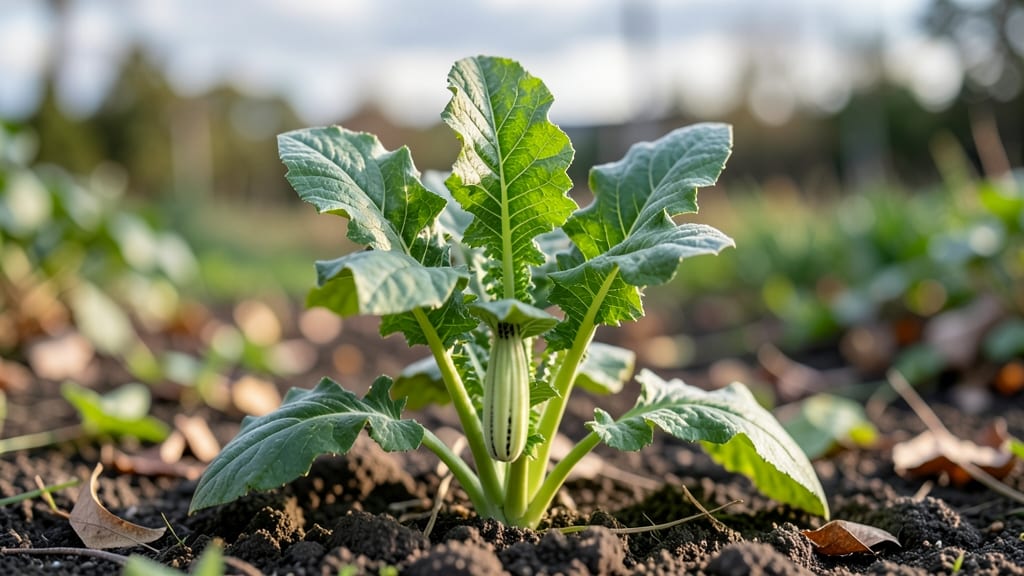
Saving radish seeds from your own plants means never buying them again—once you master the dry-and-save method. 🌱 The secret lies in letting those seed pods mature fully before harvesting, a step most gardeners rush through.
I’ve saved seeds from my own radish plants for three years now, and the process is simpler than it seems once you know the timing and handling tricks.
You’ll need just a few supplies: a clean, dry space, paper bags for storage, and patience—radish pods take 2-3 weeks to fully dry after harvesting. The key is harvesting when the pods turn brown and papery, not green.
Premature picking leads to seeds that won’t germinate, and over-moisture ruins everything. This method works for any radish variety, from quick-growing cherry bells to larger winter types.
By following these steps, you’ll end up with viable seeds that produce plants just like your original harvest—often even more vigorous. The satisfaction of growing from home-saved seeds is unmatched, and you’ll save money while ensuring your favorite varieties stay in your garden.
Plus, dried pods stored properly last for years, giving you a renewable seed supply.
Whether you’re a seasoned gardener or just starting, this technique adapts easily to different climates. The only real mistake is rushing the drying process—take your time, and you’ll have seeds ready for next spring’s planting. Let’s get those pods dried and saved the right way!
📚 In This Guide
- What you need
- Instructions
- Tips and common mistakes
- Wrapping up and next steps
What you need
- ● Mature radish plants – Choose healthy, disease-free varieties (e.g., Daikon, Cherry Belle, or French Breakfast).
- ● Seed pods – Harvest pods when they turn brown, dry, and papery (usually 60–90 days after planting).
- ● Scissors or pruning shears – For cleanly snipping pods from the vine.
- ● Paper bags or breathable mesh bags – 1–2 per batch (avoid plastic to prevent moisture buildup).
- ● Labeling tags & permanent marker – To mark varieties and harvest dates.
- ● Drying rack or screen – A flat, elevated surface (e.g., a wire cooling rack or wooden frame).
- ● Air circulation space – A dry, shaded, well-ventilated area (e.g., garage, shed, or indoor shelf).
- ● Desiccant packets – For extra-dry storage environments (place 1–2 in sealed containers).
- ● Glass jars or airtight containers – For long-term seed storage (label clearly!).
- ● Humidity indicator cards – To monitor moisture levels in storage.
- ● Seed catalog or notebook – To track germination rates and notes for next year.
How to harvest and save radish seeds for next season
Here’s how I preserve radish seeds—simple, reliable, and perfect for saving money while ensuring next year’s harvest starts with the best genetics.
🌱 Step 1: Select and Grow Radishes for Seed Production
Choose a variety known for seed production, like ‘French Breakfast’ or ‘Cherry Belle,’ and grow them in full sun with well-draining soil. Radishes for seed pods need space—plant them 12-18 inches apart in rows 2 feet apart to allow full maturity. Thin seedlings to the strongest plants when they’re 2-3 inches tall—crowding leads to small, weak pods.
Watch for bolting (flower stalks shooting up) around 4-6 weeks after planting. This signals the plant is shifting energy from roots to seeds. Let the stalks grow tall—2-3 feet—before harvesting pods. If you cut them too early, you’ll get tiny, low-quality seeds. I always leave the tallest, healthiest plants for seed production and harvest the rest for eating.
☀️ Step 2: Harvest Mature Seed Pods at Peak Ripeness
Seed pods form after flowers bloom and wilt. Look for pods that are dry, brown, and papery—they’ll rattle when shaken. Harvest them before they split open on the plant, which happens quickly in warm, dry weather. Use clean scissors or fingers to snip the entire pod from the stalk, leaving a small stem attached.
If pods crack open before you harvest, spread them on a clean, dry surface (like a baking sheet) to catch any fallen seeds. Don’t worry if some seeds escape—they’ll still be viable. I like to harvest pods in the late afternoon when humidity is lower, making them easier to handle.
🪴 Step 3: Dry and Clean the Seed Pods Properly
Lay the harvested pods in a single layer on a screen or mesh tray in a warm, dry, well-ventilated spot. Avoid direct sunlight—it can overheat and dry them too quickly, causing seeds to shrivel. A shady porch or basement works well. Turn pods every few days to ensure even drying, which takes 2-3 weeks depending on humidity.
Once fully dry, the pods will be lightweight and brittle. Open them carefully—some varieties have explosive pods that shoot seeds everywhere. Place pods in a paper bag and shake gently to release seeds. Remove any debris by winnowing (pouring seeds onto a flat surface and letting wind blow away chaff) or sifting through a fine mesh strainer.
⏰ Step 4: Store Seeds for Long-Term Viability
Transfer clean seeds to an airtight container, like a glass jar or envelope, and label with the variety name and harvest year. Store in a cool, dark place—a refrigerator crisper drawer works well. Radish seeds stay viable for 3-4 years if kept dry and cool. Check seeds annually for moisture or pests; if you notice any, transfer them to a fresh container.
Here’s the thing—radish seeds lose vigor over time, so I like to test a few seeds each year before planting the full batch. Sprinkle 5-10 seeds in a small pot, cover lightly, and check germination in 7-10 days. If fewer than 50% sprout, save the rest for quick-cooking dishes (they’re still edible!) and buy fresh seeds for next season.
Tips & tricks for perfect radish seed pod preservation
Saving radish seeds successfully takes patience and attention to detail—here’s how to avoid common pitfalls and ensure your seeds stay viable for years.
Variety Selection Matters: Not all radishes produce quality seeds. Stick with proven seed-saving varieties like ‘French Breakfast’ or ‘Cherry Belle’—these consistently yield robust seed pods. Avoid hybrid varieties (like ‘Cherry Belle’ if it’s F1), as their seeds won’t reproduce true to type. For best results, plant at least 10-15 plants of the same variety to ensure cross-pollination and strong seed production.
Timing is Everything: The 4-6 week window for bolting is critical—don’t rush it. If you harvest pods too early (before they reach 2-3 feet tall), you’ll get tiny, low-quality seeds. Watch for flower stalks to fully mature and develop seed pods before cutting anything. In hot climates, this process happens faster, so check daily during peak growing season.
Drying Strategy: The 2-3 week drying period is non-negotiable for seed viability. If your climate is humid, extend drying time or use a small fan to circulate air around the pods. Place a humidity indicator near your drying area—aim for 40-50% humidity or lower. Overheating or uneven drying can ruin seeds, so avoid direct sunlight and check pods daily for brittleness.
Storage Wisdom: Labeling is non-negotiable—write the variety name and harvest year directly on your storage container. Radish seeds lose vigor after 3-4 years, so test a small batch annually. Store seeds in the refrigerator’s crisper drawer (around 35-40°F) for maximum longevity. If you notice any moisture or musty smells, transfer seeds to a fresh container immediately to prevent spoilage.
Pro Tips for Radish Plant Seed Pods
- Saving radish seeds successfully takes patience and attention to detail—here’s how to avoid common pitfalls and ensure your seeds stay viable for years.
- Variety Selection Matters: Not all radishes produce quality seeds.
- Timing is Everything: The 4-6 week window for bolting is critical—don’t rush it.
Frequently asked questions
Got questions about saving radish seeds? Here are some of the most common ones—and their answers—to help you master the dry-and-save method like a pro!
How do I know when radish seed pods are ready to harvest?
Radish seed pods mature after the plant bolts (sends up a tall flower stalk). Wait until the pods turn brown and dry out—usually 4–6 weeks after flowering. Gently twist them off; they should separate easily. Avoid harvesting in damp weather to prevent mold.
Can I save seeds from store-bought radishes?
Nope! Store-bought radishes are typically hybrid varieties, meaning their seeds won’t grow true to the parent plant. Always use seeds from heirloom or open-pollinated radishes you’ve grown yourself for reliable results next season.
What’s the best way to dry radish seed pods?
Spread pods in a single layer on a screen or paper towel in a warm, dry, and well-ventilated spot (like a sunny windowsill). Avoid direct sunlight or humidity—aim for 1–2 weeks of drying time. Stir them occasionally to ensure even drying.
Will cross-pollination ruin my saved seeds?
Radishes are self-pollinating, so cross-pollination is rare. However, if you’re growing multiple varieties nearby, isolate them by at least 50 feet to prevent accidental mixing. This keeps your seeds pure and true to type.
How long can I store dried radish seeds?
Store seeds in a cool, dark, and dry place (like a sealed jar in the fridge or freezer). Properly dried radish seeds stay viable for 2–4 years. Check for moisture or pests annually—discard any seeds that smell musty or look discolored.
What if my seed pods won’t dry or mold?
Humidity is the enemy! If pods stay damp or mold, move them to a dehumidifier or air-conditioned room. Spread them on a paper towel (not plastic) and avoid stacking. If mold appears, discard the batch—moldy seeds won’t sprout.
Wrapping up and next steps
Growing radish plant seed pods is a rewarding way to ensure a fresh harvest next season while minimizing waste! By mastering the dry-and-save method, you’re not only saving money but also embracing sustainable gardening.
Whether you’re a beginner or a seasoned green thumb, these steps make it simple to preserve your favorite varieties for future planting.
Now that you’re armed with the knowledge, why not take the next step? Start small—try saving seeds from just one radish variety this year. With a little practice, you’ll be harvesting your own seed pods like a pro, ready to grow a thriving garden season after season! 🌱✨