
Shrubs
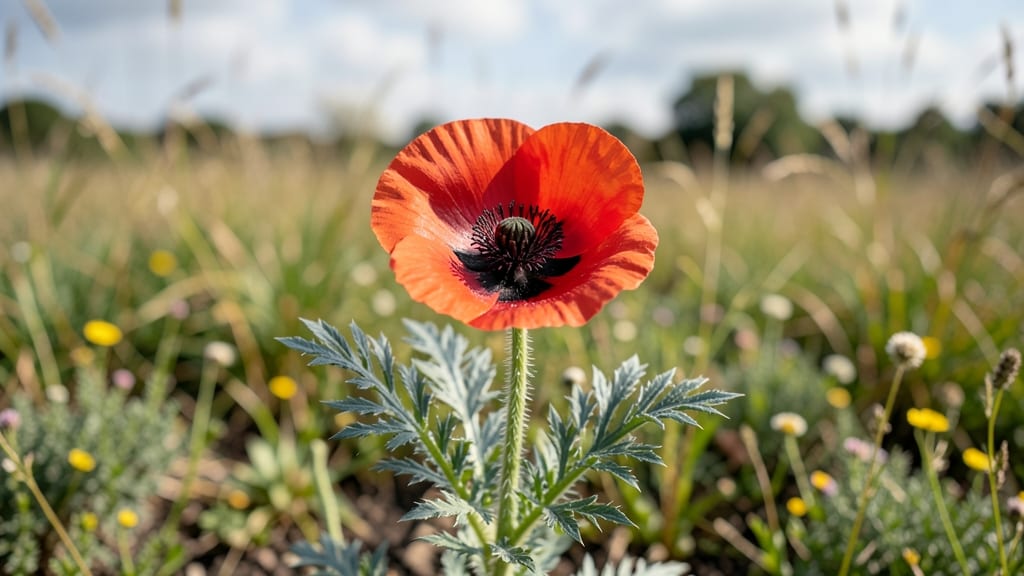
Red breadseed poppies self-sow like magic—if you let them. 🌸 The secret to harvesting seeds without tangled stems lies in knowing when to cut and how to dry them properly, so you can scatter fresh blooms next spring.
I’ve spent years watching these fiery red flowers pop up unpredictably in my garden, and I’ve cracked the code on collecting their seeds without the frustrating twists that make storage impossible.
These poppies thrive where most flowers refuse to grow: poor soil, full sun, and even drought. They’re the ultimate low-maintenance plant, but the key to seed harvesting is timing—wait until the seed pods turn from green to brown before cutting them.
A simple paper bag over the stems keeps the seeds from scattering while they dry, and within a few weeks, you’ll have a stash ready for next year’s garden.
What you end up with is a garden that seems to regrow itself, year after year, with fewer seeds needed each time. The bright red blooms attract bees and butterflies like nothing else, and the delicate, papery petals add a whimsical touch to cottage gardens or wildflower meadows.
No two plants look exactly alike, which is part of their charm.
Works in almost any sunny spot, from formal borders to neglected corners. Once you master the seed-saving trick, you’ll never buy poppy seeds again—and your garden will thank you for it.
📚 In This Guide
- What you need
- Instructions
- Tips and common mistakes
- Wrapping up and next steps
What you need
- ● Red breadseed poppy seeds: 1–2 packets (about 1–2 grams per packet). Look for heirloom or organic seeds for the best results.
- ● Growing containers or garden bed: Containers: At least 6-inch-deep pots (3–4 per packet of seeds) with drainage holes.
- ● Garden bed: Well-draining soil in a sunny spot (6+ hours of sunlight daily).
- ● Potting soil or seed-starting mix: Lightweight, sterile, and well-draining (avoid garden soil with pests).
- ● Watering can or spray bottle: For gentle hydration (overwatering is the enemy!).
- ○ Twine or small stakes (optional but helpful): To support tall stems if harvesting for seed pods.
- ○ Gloves: Protect your hands from prickly stems (optional but recommended!).
- ● Pruners or clean scissors: For harvesting mature seed pods.
- ● Paper bags or breathable mesh sacks: To collect seeds once pods dry.
- ● Sunny windowsill or grow lights: If starting indoors (4–6 weeks before last frost).
- ● Patience! 😉: These poppies grow fast but need time to mature (60–90 days from seed to harvest).
- ● Skip the fertilizer—breadseed poppies thrive in lean soil. Over-fertilizing = floppy stems!
- ● Direct sow seeds outdoors after frost for easiest growth (they hate transplanting).
- ● Thin seedlings to 6–12 inches apart once sprouted to avoid crowding.
Step-by-Step guide to growing red breadseed poppies
Here's how to grow these delicate beauties from seed to seed harvest—without the frustrating twists.
🌱 Step 1: Choose the Right Location and Prepare the Soil
Red breadseed poppies thrive in full sun, so pick a spot that gets at least 6-8 hours of direct sunlight daily. They’re not picky about soil type, but well-draining soil prevents root rot. I like to mix in a handful of compost to give them a nutrient boost without being too rich.
Loosen the soil to a depth of 6-8 inches to help roots spread easily. If your soil is heavy clay, add a layer of coarse sand or perlite to improve drainage. Poppies hate soggy feet, so if your garden tends to stay damp, consider planting them in a raised bed or container.
🌱 Step 2: Plant Seeds at the Correct Depth and Spacing
Sow seeds directly in the garden in early spring, about 2-3 weeks before your last frost date. Poppy seeds are tiny, so I sprinkle them lightly on the soil surface—don’t bury them. A light press with your palm ensures good seed-to-soil contact, but don’t compact the soil too much.
Space seeds 12-18 inches apart if you want strong, single-stemmed plants. If you’re okay with a more natural, wild look, you can sow them more densely and thin later. Water gently after planting, but avoid soaking the soil—poppy seeds need moisture to germinate, but they rot easily if drowned.
☀️ Step 3: Provide Minimal Care for Healthy Growth
Once seedlings emerge—usually in 10-14 days—they’re surprisingly low-maintenance. Water only when the top inch of soil feels dry, and avoid wetting the leaves to prevent fungal diseases. Poppies are drought-tolerant once established, so don’t overwater.
Fertilizer isn’t necessary, but if your soil is very poor, a light application of balanced fertilizer (like 10-10-10) in early spring can help. Too much nitrogen, though, will make them grow leafy instead of flowering. Thin seedlings to 12 inches apart when they’re about 2 inches tall to give them room to grow.
⏰ Step 4: Harvest Seeds Properly to Avoid Twisting Stems
The key to twist-free seed harvesting is patience and timing. Wait until the seed pods turn brown and dry but haven’t split open yet. This usually happens in late summer or early fall, depending on your climate. Gently twist the pods off the stems—don’t pull, or you’ll risk breaking them.
Spread the pods on a paper towel in a dry, well-ventilated spot to finish drying. Once completely dry, rub the pods between your hands to release the seeds. Store them in a cool, dry place until next spring. If you harvest too early, the seeds won’t mature properly, and if you wait too long, they’ll scatter on their own.
🌿 Step 5: Save Seeds for Next Year’s Garden
Poppy seeds stay viable for years if stored correctly. Keep them in a sealed container away from moisture and light. Label the container with the variety and harvest date—red breadseed poppies can self-seed, but saving your own ensures the best results.
Next spring, you can replant these seeds in the same spot or share them with fellow gardeners. The beauty of poppies is that they’re self-sufficient once established, so with minimal care, you’ll have a fresh batch of twist-free seeds every year.
Tips & tricks for perfect red breadseed poppy cultivation
Common pitfalls—and how to sidestep every one—when growing these delicate beauties.
Sunlight Strategy: That 6-8 hours of direct sunlight requirement is non-negotiable. If your garden gets less, consider using reflective surfaces like white walls or mirrors to bounce extra light onto the plants. I've seen poppies in partial shade still bloom, but they'll be leggy and produce fewer seeds—definitely not worth the compromise for seed harvesting.
Seed Placement Secret: When planting those tiny seeds in Step 2, I like to use a small sieve or fine mesh to distribute them evenly. This prevents clumping and ensures each seed gets its own space to germinate. After sprinkling, I gently pat the soil with my fingers—just enough to create contact without compacting. Think "light press, not heavy stomp."
Thinning Technique: The 12-inch spacing in Step 3 is crucial for strong stems. I wait until seedlings are about 2 inches tall to thin, then use clean scissors to snip at soil level rather than pulling. This prevents disturbing the roots of the plants I'm keeping. The thinned seedlings make great additions to salads or can be composted—nothing goes to waste!
Harvesting Timing: For twist-free pods in Step 4, I check pods daily during late summer. The moment they turn uniformly brown but still feel firm to the touch is prime time. If you wait until they start splitting open, you'll lose seeds to scattering. I place a sheet of newspaper under the plants when harvesting to catch any stray seeds that might fall.
Pro Tips for Red Breadseed Poppy
- Common pitfalls—and how to sidestep every one—when growing these delicate beauties.
- Sunlight Strategy: That 6-8 hours of direct sunlight requirement is non-negotiable.
- Seed Placement Secret: When planting those tiny seeds in Step 2, I like to use a small sieve or fine mesh to distribute them evenly.
Frequently asked questions
Got questions about growing red breadseed poppies?
You’re not alone! Here are some of the most common queries—plus quick answers to help you grow like a pro.
When is the best time to plant red breadseed poppy seeds?
Plant seeds in early spring (after the last frost) or late summer (6-8 weeks before your first frost). They thrive in cool soil and need consistent moisture to germinate. Avoid planting in hot, dry conditions—they’ll struggle to sprout!
How long does it take for red breadseed poppies to grow from seed to flower?
Expect a slow but steady pace! Seeds germinate in 10-14 days, and mature plants (60-90 cm tall) may take 8-12 weeks to bloom. Patience pays off—those vibrant red blooms are worth the wait!
Why aren’t my red breadseed poppy seeds germinating?
Try these fixes:
- Check moisture: Keep soil damp (not soggy) during germination.
- Adjust temperature: Ideal range is 60-70°F (15-21°C). A heat mat helps if your climate is cool.
- Test seed viability: Soak seeds in warm water for 24 hours—sinkers are good, floaters may be old.
Can I grow red breadseed poppies in containers?
Use a deep pot (at least 12 inches) with well-draining soil. Place in full sun and water regularly. Just avoid overcrowding—space plants 12-18 inches apart for optimal airflow and blooms.
How do I save seeds from red breadseed poppies for next year?
Wait until seed pods turn brown and dry (late summer/fall). Harvest by gently twisting or clipping pods, then dry seeds in a paper bag for 1-2 weeks. Store in a cool, dark place for up to 2 years. Pro tip: Label your seeds to track varieties!
Wrapping up and next steps
Growing red breadseed poppies is a rewarding journey that blends beauty with practicality—whether you’re saving seeds for next year’s garden or simply enjoying their vibrant blooms.
With the right tools, patience, and a few expert tips, you’ll master twist-free seed harvesting and unlock a sustainable cycle of growth. Now’s your chance to share the joy!
Ready to dive deeper? Start small:
- 🌱 Plant a few seeds this season to practice harvesting.
- 📸 Document your progress—share your poppy adventures with fellow gardeners!
- 💬 Join gardening forums to swap tips and troubleshoot.