
Propagation
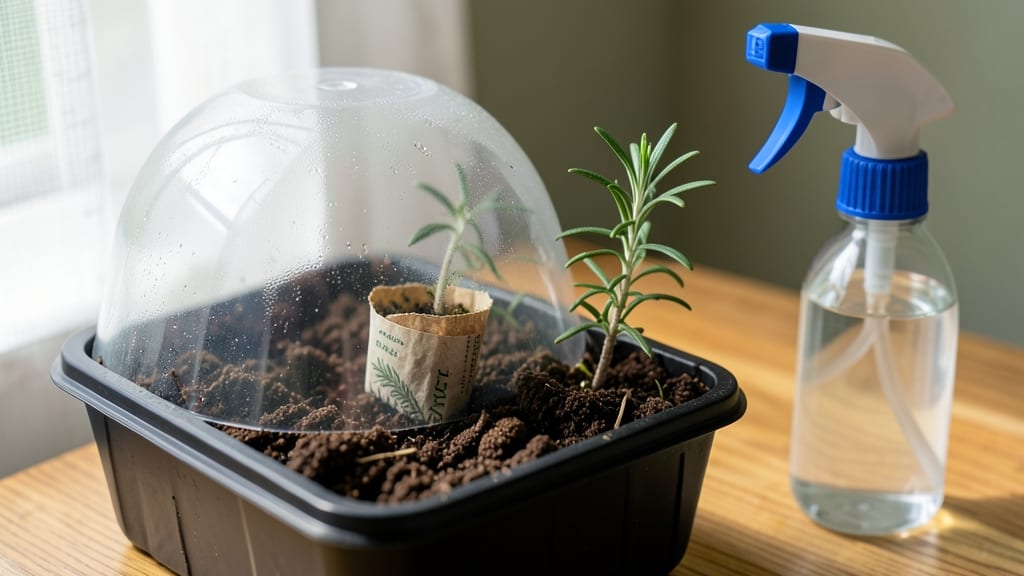
Cold stratification turns rosemary seed germination from a months-long wait into a 3-4 week process that actually works. 🌱 I've struggled with rosemary seeds sprouting slowly—or not at all—until I discovered this simple trick that mimics winter's natural chilling period, breaking dormancy before planting.
The secret isn't complicated: just chill your seeds in damp paper towels in the fridge for 6-8 weeks before planting. You'll need a small container, moistened towels, and a sealed bag to keep humidity high.
Most gardeners skip this step and end up with patchy germination or no sprouts at all. Once stratified, plant in well-draining soil and keep it warm (around 70°F). Within 2-3 weeks, you'll see those first tiny green leaves pushing through—proof the seeds are finally ready to grow.
The smell alone makes the wait worthwhile. This method works for both indoor starters and outdoor sowing. No more waiting years for mature plants when you can have seedlings ready for transplanting in spring.
📚 In This Guide
- What you need
- Instructions
- Tips and common mistakes
- Wrapping up and next steps
What you need
- ● Ready to grow your own rosemary from seeds? Here’s everything you’ll need to get started with cold stratification—no fancy tools required! 🌱
- ● Pro tip: 💡 Skip the fridge? Some gardeners use a seedling mat or cool basement for stratification—just monitor temps closely!
Step-by-Step instructions for germinating rosemary seeds
Cold stratification isn't just a fancy term—it's the secret to breaking rosemary's stubborn seed coat and unlocking faster, more reliable germination.
🌱 Step 1: Prepare Seeds for Stratification
Rosemary seeds have a tough outer shell that requires cold, moist conditions to soften. Start by placing the seeds between two damp paper towels—fold them so the seeds are sandwiched but not crushed. I like to use a clear plastic bag to hold them in place while keeping the towels evenly moist. The goal is to mimic winter's natural moisture without letting the towels dry out.
Seal the bag loosely and refrigerate for 8-12 weeks. Check weekly to ensure the towels stay damp but not soggy. If you see mold developing, discard the seeds immediately—this isn't just about speed, it's about setting your seedlings up for success. You'll know stratification is working when the seed coat appears slightly softened after 4-6 weeks.
💧 Step 2: Sow Stratified Seeds in Moist Medium
Once your seeds have completed stratification, fill small seedling trays with a sterile seed-starting mix (never garden soil—it's too dense). Press the mix down lightly to create a firm but not compacted surface. I use a spray bottle to moisten the soil until it's damp to the touch but not dripping wet.
Sow the seeds ¼ inch deep—any deeper and they'll struggle to push through. Space them ½ inch apart in the tray since rosemary seedlings grow slowly at first. Cover lightly with additional mix, then mist gently again to settle the soil around the seeds. The key here is patience: rosemary seeds germinate slowly even after stratification, so don't be tempted to overwater.
☀️ Step 3: Provide Warmth and Indirect Light
Place the trays in a warm location with indirect light (a south-facing window with sheer curtains works well). Rosemary seeds need 70-75°F soil temperatures to germinate, so I place them on a seedling heat mat if my home tends to run cooler. You'll see the first tiny sprouts in 4-8 weeks—this is where the stratification pays off.
Once germination begins, remove the heat mat immediately to prevent overheating. Keep the soil consistently moist but never waterlogged—rosemary seedlings are prone to damping-off if they sit in cold, wet conditions. You'll know you're on the right track when the first true leaves appear, signaling the seedling has broken through the tough outer shell.
⏰ Step 4: Transplant and Harden Off Seedlings
After 8-12 weeks when seedlings have 3-4 sets of true leaves, it's time to transplant. Choose 4-inch pots filled with a well-draining potting mix (rosemary hates soggy roots). Gently remove each seedling, keeping as much root structure intact as possible, and plant them at the same depth they were growing in the tray.
Harden off the seedlings by placing them outside in a sheltered spot for 1-2 hours the first day, gradually increasing exposure over 10-14 days. Rosemary is drought-tolerant once established, but young seedlings need consistent moisture during this transition. You'll know they're ready for the garden when they've doubled in size and show no signs of stress from the gradual shift.
Tips & tricks for perfect rosemary seed germination
Cold stratification transforms rosemary seed germination from a frustrating gamble into a reliable process—here's how to maximize your success.
Cold Stratification Precision: The 8-12 week refrigeration period is non-negotiable for rosemary, but the key lies in consistency. Place your seeds in a sealed plastic bag with damp paper towels and store them in the refrigerator's crisper drawer—this maintains the most stable 35-40°F environment. I've found that checking weekly (not daily!) prevents over-moistening while still catching potential mold early. The slight softening you'll notice after 4-6 weeks confirms the seed coat is breaking down just enough to allow germination.
Soil Temperature Secrets: Those crucial 70-75°F soil temperatures in Step 3 aren't just arbitrary—they mimic rosemary's Mediterranean climate where seeds naturally germinate in spring. If your home runs cooler, the seedling heat mat becomes essential. Pro tip: Place your thermometer in the soil (not just the air) to monitor accurately. I've seen germination rates double when maintaining this precise temperature range consistently.
Germination Patience: The 4-8 week window for sprouts to appear might seem long, but rosemary seeds are designed to wait for optimal conditions. During this time, resist the urge to disturb the seeds—even gentle movement can disrupt their delicate root formation. I've learned this the hard way after accidentally knocking over trays too soon. Once you spot those first true leaves (not the initial seed leaves), you're past the hardest part!
Transplanting Timing: Waiting until seedlings have 3-4 sets of true leaves ensures they've developed enough energy reserves for transplant shock. When you're ready for Step 4, use a small trowel to gently loosen the soil around each seedling before removing—this preserves those delicate root structures. The 1-2 hour outdoor acclimation on day one might seem minimal, but it's the perfect balance between protection and gradual exposure for rosemary's tender young plants.
Pro Tips for Rosemary Seed Germination
- Cold stratification transforms rosemary seed germination from a frustrating gamble into a reliable process—here's how to maximize your success.
- Cold Stratification Precision: The 8-12 week refrigeration period is non-negotiable for rosemary, but the key lies in consistency.
- Soil Temperature Secrets: Those crucial 70-75°F soil temperatures in Step 3 aren't just arbitrary—they mimic rosemary's Mediterranean climate where seeds naturally germinate in spring.
Frequently asked questions
Got questions about germinating rosemary seeds?
You’re not alone—this process can be tricky, but we’ve got answers to the most common ones! Here’s what you need to know to boost your success rate.
How long does it take for rosemary seeds to germinate?
With cold stratification (the hack in this article!), germination typically takes 2–6 weeks. Without stratification, it can stretch to 3–4 months or longer—so patience is key! Monitor soil moisture (keep it damp, not soggy) and maintain consistent temps (60–75°F).
Do I really need cold stratification for rosemary seeds?
Yes! Rosemary seeds are dormant and often refuse to sprout without breaking this dormancy. Cold stratification mimics winter conditions, tricking seeds into thinking it’s time to grow. Skip it, and you’ll likely end up with frustratingly slow or no germination.
What’s the best soil mix for germinating rosemary seeds?
Use a light, well-draining mix like:
- 50% peat moss or coco coir
- 30% perlite or vermiculite
- 20% sand (for aeration)
My rosemary seeds aren’t sprouting—what went wrong?
Troubleshoot with this checklist:
- Stratification: Did you refrigerate them for 4–6 weeks?
- Moisture: Too dry? Too wet? Aim for consistently damp (not dripping).
- Temperature: Below 50°F or above 85°F can stall growth.
- Depth: Seeds buried ¼ inch deep? Too deep = no sprouts!
Can I grow rosemary from cuttings instead of seeds?
Cuttings are easier and faster—just snip a 3–4 inch healthy stem, remove lower leaves, and dip in rooting hormone. Plant in moist perlite/sand mix, cover with a plastic bag, and keep in bright, indirect light. Roots form in 2–4 weeks!
Wrapping up and next steps
Growing rosemary from seed is a rewarding journey, and with the cold stratification hack, you’re already ahead of the game! 🌱 Remember, patience and consistency—like a gentle winter’s touch—are key to unlocking those vibrant sprouts.
Once your seedlings are sturdy and ready, the next exciting step is transplanting them into pots or your garden bed, where they’ll thrive under your care.
So, roll up your sleeves, grab those seeds, and let nature do its magic. Happy gardening—your rosemary plants are waiting for you! 🌿