
Lawn
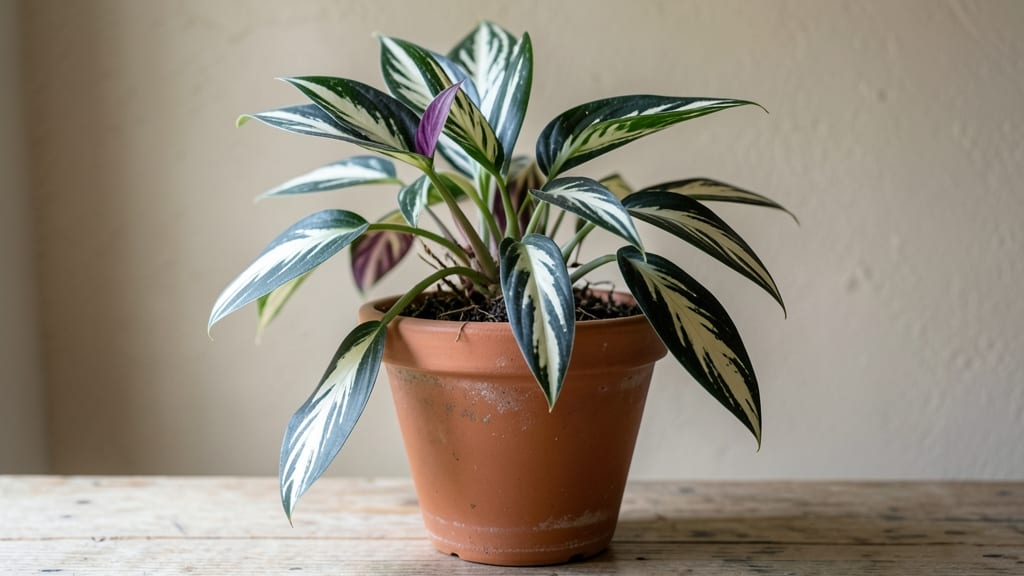
Creating a black and white seed mix transforms your garden borders into a striking visual masterpiece. ✨ The contrast of dark foliage and crisp white blooms or variegated patterns creates drama that’s impossible to ignore—think 'Black Krim' tomatoes paired with 'Snowball' bush beans or 'Panda' okra’s zebra stripes.
This isn’t just about planting; it’s about designing with seeds. Start with a base of deep purple-black kale or Swiss chard alongside white-flowered cosmos or zinnia. The key is layering textures—glossy leaves against fuzzy blooms—and repeating patterns for cohesion. Even a small border of just 5-6 varieties creates impact.
By mid-summer, your garden will feel like a living art installation. The high-contrast foliage and flowers draw the eye, while the mix of heights and shapes adds depth. It’s perfect for modern landscapes, cottage gardens, or even urban planters where bold statements make the most difference.
For extra flair, save seeds from your best performers and create custom mixes year after year. The possibilities are endless—whether you go for moody monochrome or playful patterns. Let’s get designing!
📚 In This Guide
- What you need
- Instructions
- Tips and common mistakes
- Wrapping up and next steps
What you need
- ● Seeds: 1 lb Lavender (e.g., 'Munstead' or 'Hidcote') – for soft purple-gray contrast
- ● 1 lb Silver Falls Dichondra (e.g., 'Silver Falls') – for silvery foliage
- ● 1 lb Black Mondo Grass (Ophiopogon planiscapus 'Nigrescens') – for deep, velvety black
- ● ½ lb White Ajuga (Ajuga reptans 'White') – for bright, glossy foliage
- ● ½ lb Variegated Liriope (Liriope muscari 'Variegata') – for striped green-and-white contrast
- ● Soil Prep: 10 sq ft of well-draining, amended garden soil (mix in 2-3 inches of compost)
- ○ Optional: Slow-release fertilizer (e.g., 10-10-10, 1 lb per 10 sq ft)
- ● Tools: Hand trowel or transplanting spade
- ● Garden rake (for leveling soil)
- ● Hose with gentle spray nozzle
- ● Measuring tape or ruler (for spacing)
- ● Mulch: 1 bag of black or silver mulch (e.g., landscape fabric or decorative gravel) to enhance contrast
- ● Edging: Metal or stone border strips (to define your garden bed neatly)
- ● Garden markers: Small stakes or labels for seed varieties (if planting in rows)
- ● Plant food: Liquid seaweed extract (for a post-planting boost)
Step-by-Step guide to creating a dramatic black-and-white seed border
Here’s how I design striking monochromatic borders that pop against any garden backdrop.
🌱 Step 1: Select High-Contrast Seed Varieties
Choose seeds that naturally contrast in color and texture. For bold drama, pair deep black foliage like 'Black Lace' elderberry or 'Obsidian' elderberry with crisp white flowers such as 'Snowflake' sweet alyssum or 'White Queen' lamb’s ear. I always include at least one fine-textured plant like 'Silver Carpet' creeping thyme to break up the starkness.
Check seed packet descriptions for mature height and spread—you’ll want a mix of heights for layered visual interest. For example, pair 12-inch-tall 'Black Mondo' grass with 6-inch 'White Pearl' ajuga to create depth. Avoid planting seeds with similar textures; contrast in form keeps the design dynamic.
🪴 Step 2: Prepare the Soil for Uniform Germination
Clear the planting area of weeds and loosen the soil to a depth of 6 inches using a garden fork. Amend with 2-3 inches of compost to improve drainage and fertility—black-and-white borders need consistent moisture but hate soggy roots. I like to work in a handful of perlite for extra aeration, especially in clay-heavy soil.
Rake the area smooth and mark planting rows with a stick or string line. Press a wooden board over the soil to create a firm base—this prevents seeds from settling too deeply when watered. For extra insurance, sprinkle a thin layer of seed-starting fertilizer over the area before sowing.
💧 Step 3: Sow Seeds in Precise Patterns
Start with the tallest varieties at the back and work forward to shorter plants. Scatter seeds thinly—follow packet spacing guidelines but reduce by 20-30% since black-and-white borders benefit from dense planting. I use a small hand rake to distribute 'Black Mondo' grass seeds evenly, then lightly press them into the soil with my fingers.
Cover seeds with a fine layer of soil no deeper than ¼ inch—deeper planting delays germination. For white-flowering annuals like alyssum, I sprinkle seeds directly onto the surface and pat them gently. Mist the area with a fine spray nozzle until the soil feels damp but not saturated. Label each section with small stakes to track varieties.
☀️ Step 4: Maintain Moisture and Light Conditions
Keep the soil consistently moist for the first 4-6 weeks—this is critical for even germination. I cover newly sown areas with landscape fabric to retain moisture and suppress weeds, but leave the edges exposed so seedlings aren’t smothered. Water gently in the morning to allow excess moisture to evaporate by evening.
Once seedlings emerge, thin them to the recommended spacing—crowded plants compete for light and nutrients, dulling the bold contrast. For example, reduce 'Black Lace' elderberry seedlings to 12 inches apart while keeping 'Snowflake' alyssum at 6 inches apart. Thin at soil level with clean scissors to avoid disturbing roots.
✂️ Step 5: Prune and Shape for Long-Term Impact
As plants mature, trim back leggy growth to encourage bushier habits. For 'Black Mondo' grass, I use sharp shears to cut back any stems that exceed 8 inches in height. For white-flowering perennials like lamb’s ear, deadhead spent blooms regularly to redirect energy into foliage rather than seed production.
Every 4-6 weeks during the growing season, give the border a light trim to maintain clean lines. This is especially important for black foliage plants, which can look unkempt if left unchecked. Mulch with 2 inches of shredded bark to suppress weeds and retain moisture—just keep it 2 inches away from plant stems to prevent rot.
Tips & tricks for perfect black-and-white garden borders
Creating a striking monochromatic border takes more than just planting seeds—it's about strategic choices that elevate the drama. Here's what I've learned to make these borders truly stand out.
Seed Selection Strategy: When choosing your black-and-white varieties, prioritize plants with different growth habits. Pair a tall, upright black foliage plant like 'Obsidian' elderberry (which can reach 6-8 feet) with a cascading white annual like 'Snowflake' alyssum (6-12 inches tall). This creates visual movement that draws the eye through the border. I always include at least one ground cover variety like 'Silver Carpet' creeping thyme to fill gaps and add texture contrast—its silvery foliage breaks up the starkness without introducing color.
Soil Preparation Secret: The 6-inch soil loosening in Step 2 isn't just about aeration—it's about creating the perfect germination environment. For clay-heavy soils, I add an extra handful of perlite to the 2-3 inches of compost, then mix in a sprinkle of diatomaceous earth. This combination improves drainage while preventing compaction that could smother emerging seedlings. The wooden board pressing technique is crucial too—it creates a firm seedbed that prevents seeds from sinking too deeply when you water.
Planting Pattern Pro Tip: For that professional look in Step 3, I recommend creating a rough sketch of your border layout before planting. Mark the tallest varieties first, then work forward to shorter plants. When scattering seeds, use the "quarter rule"—for every square foot of space, plant about 25% more seeds than recommended on the packet. This density ensures full coverage while allowing you to thin to proper spacing later. For white-flowering annuals like alyssum, I find that sprinkling seeds directly on the surface and gently pressing them with a glass slide gives the most even distribution.
Maintenance Mastery: The 4-6 week moisture window in Step 4 is your critical period—this is when roots establish and seedlings develop their characteristic black and white foliage. I've found that using soaker hoses buried 2 inches deep under the landscape fabric delivers water directly to roots without disturbing seedlings. And here's a little-known trick: when thinning seedlings, I save the smaller ones and transplant them to other areas of the garden. They often become the most vigorous plants!
Pro Tips for Seed Black And White
- Creating a striking monochromatic border takes more than just planting seeds—it's about strategic choices that elevate the drama.
- Seed Selection Strategy: When choosing your black-and-white varieties, prioritize plants with different growth habits.
- Soil Preparation Secret: The 6-inch soil loosening in Step 2 isn't just about aeration—it's about creating the perfect germination environment.
Frequently asked questions
Got questions about creating a striking black and white seed mix for your garden borders?
You’re not alone! Here are some of the most common queries—and answers—to help you nail that bold, high-contrast look without the guesswork.
What seeds create the "black" effect in a black and white garden border?
The "black" in black and white seed mixes usually comes from black mondo grass (Ophiopogon planiscapus 'Nigrescens'), black mondo grass (Liriope muscari 'Black Beauty'), or deep purple/black annuals like black-eyed Susan vine (Thunbergia alata). For a softer look, black scallop bugleweed (Ajuga reptans 'Black Scallop') adds contrast without being overly dark.
How long does it take for a black and white seed mix to germinate and establish?
Germination times vary by seed type, but most annuals sprout in 7–21 days, while perennials like black mondo grass may take 3–6 weeks. Full establishment (when your border looks lush and uniform) can take 6–12 weeks, depending on sunlight, soil, and watering consistency. Pro tip: Keep soil moist but not soggy during germination!
Can I mix my own black and white seed blend, or should I buy a pre-made mix?
Both work! Pre-made mixes (like those for annual borders) are convenient and balanced, but DIY blends let you customize ratios. For a bold contrast, pair black mondo grass (70%) with white sweet alyssum (30%). Just ensure all seeds have similar light/sun requirements to avoid patchy growth.
Will a black and white seed border look good in full sun or partial shade?
It depends on your seed choices! Black mondo grass thrives in partial shade (4–6 hours of sun), while white alyssum or black-eyed Susan vine prefer full sun (6+ hours). For shade-tolerant borders, opt for heuchera (coral bells) in white paired with black mondo grass. Always check seed tags for light needs!
What should I do if my black and white border looks uneven or patchy after germination?
Patchiness often stems from uneven watering, poor soil prep, or inconsistent seed spacing. Rake lightly to redistribute seeds, thin overcrowded areas, and water gently but deeply (1–2 inches per week). If gaps persist, fill them with white clover or black mondo grass plugs for a seamless finish.
Wrapping up and next steps
Creating a black and white seed mix for your garden borders is all about embracing bold contrast and timeless elegance. With the right seeds—like Lamium maculatum or Oenothera biennis—you’ll craft a striking visual statement that thrives with minimal fuss.
Whether you’re a seasoned gardener or just starting, this mix offers low-maintenance beauty that elevates any outdoor space.
Now that you’re inspired, take the next step: sketch your design, gather your supplies, and plant with confidence! 🌱✨ Start small, experiment, and watch your garden transform into a monochromatic masterpiece. Happy gardening!