
Propagation
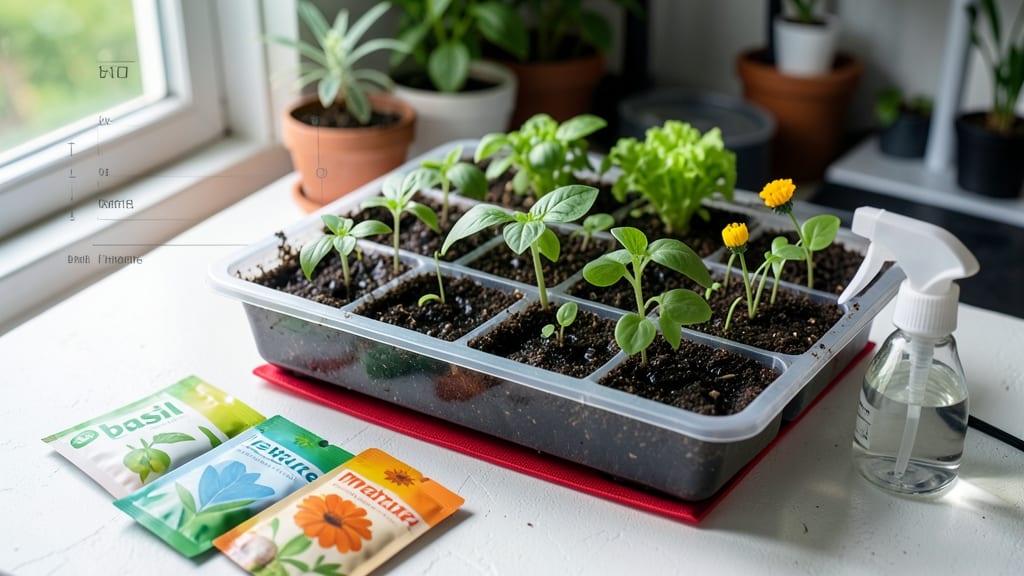
Knowing seed germination times saves you from waiting too long—or giving up too soon. 🌱 Some seeds pop up in days, while others need weeks of patience, and understanding these timelines means you won’t mistake a slow starter for a failure.
My first year of gardening, I pulled up perfectly good seedlings because I didn’t know how long to wait, and I’ve learned the hard way which plants need warmth, which need darkness, and which just need time.
Most seeds germinate fastest when soil stays between 65-75°F, but some—like peas and spinach—prefer cooler 50-60°F soil. Too hot or too dry, and they’ll stall; too wet, and they’ll rot before sprouting.
A humidity dome or plastic wrap keeps moisture steady, while a seedling heat mat speeds things up for slow starters like okra or parsley. Even the best seeds can take twice as long in cold soil, so adjust your expectations based on your zone.
By the time you’re checking your seed packet, you’ll spot the germination range—5-10 days for fast growers like radishes or 21-30 days for stubborn ones like rosemary. Track your planting dates backward from your last frost, and you’ll know exactly when to expect those first green shoots.
The reward? A garden that starts strong, not one that leaves you second-guessing every sprout.
Seasonal shifts matter too—spring seeds often germinate faster than fall ones, and indoor starts can stretch timelines if light or warmth isn’t consistent. Keep a simple log of what you plant and when, and you’ll spot patterns. Soon, you’ll predict germination like a pro, turning guesswork into a reliable routine.
📚 In This Guide
- What you need
- Instructions
- Tips and common mistakes
- Wrapping up and next steps
What you need
- ● Seeds: Choose fresh, high-quality seeds (check the packet for variety-specific germination times). Pro tip: Store seeds in a cool, dry place to preserve viability!
- ● Seed trays or containers: 2–4" deep with drainage holes (e.g., plastic cell packs, biodegradable pots, or repurposed containers like egg cartons). Quantity: 1–2 trays per seed type.
- ● Growing medium: Soil-based: Seed-starting mix or sterile potting soil (avoid garden soil—it may harbor pathogens). Quantity: Enough to fill containers ¾ full.
- ○ Soilless (optional): Coconut coir, peat moss, or vermiculite for moisture control.
- ● Watering can or spray bottle: Fine-mist nozzle for gentle hydration (avoid oversaturating seeds!).
- ● Labeling tags: Waterproof markers + popsicle sticks or plant labels (write seed type + date planted).
- ○ Notebook or germination tracker: To log planting dates, expected sprouting windows, and actual germination days. Optional: Use a spreadsheet or app like Gardenate for automation!
- ○ Heat mat (optional): For slow-germinating seeds (e.g., tomatoes, peppers). Set to 70–85°F (21–29°C).
- ● Grow lights or sunny windowsill: 12–16 hours of light daily (LED grow lights are ideal for consistency).
- ● Humidity dome or plastic wrap: To retain moisture for delicate seeds (remove once sprouts appear).
- ● Temperature: Match seeds to their ideal range (e.g., cool-loving lettuce: 60–70°F / 15–21°C; warm-loving beans: 70–90°F / 21–32°C).
- ● Humidity: 40–70% for most seeds (higher for tropical varieties like orchids).
- ● Light: Some seeds (e.g., carrots) need light to germinate; others (e.g., peas) prefer darkness. Check seed packets!
How to track seed germination times by plant type
Knowing when to expect sprouts saves time and prevents overwatering impatient seedlings.
🌱 Step 1: Group Seeds by Germination Speed Categories
First, sort your seeds into three broad categories based on their typical germination windows. Fast germinators like radishes and lettuce usually sprout in 3-7 days—you'll see tiny white tips breaking through the soil within a week. Medium-speed seeds such as beans and peas take 7-14 days, while slow starters like tomatoes and parsley can linger 14-30 days before emerging.
I always label my seed packets with both the variety name and expected germination range. This prevents me from mistaking a slow tomato sprout for a failed planting when it finally appears after three weeks. Write the range on masking tape and stick it to the tray—you'll thank yourself when you're not second-guessing damp soil.
⏰ Step 2: Use a Germination Tracker for Accuracy
Create a simple chart with columns for seed type, planting date, and "days since planting." I use a small whiteboard near my seed-starting station so I can mark each tray daily. For example, if you plant basil seeds on March 1st and expect germination in 7-14 days, mark March 8th and March 15th as your target window.
Here's the thing—don't rely on memory. I've planted fast germinators like arugula only to forget I'd already watered them and drowned the tray before the seeds even sprouted. Checking your tracker daily ensures you adjust watering (or patience) at the right moment. Most seeds need consistent moisture but not soggy conditions until they sprout.
💧 Step 3: Adjust Watering Based on Expected Sprout Times
Fast-germinating seeds need frequent moisture checks—water every 1-2 days until you see those first white tips. Medium-speed seeds can handle 2-3 days between waterings, while slow starters only need attention when the soil feels dry to the touch at 1-inch depth. Overwatering before germination is the #1 reason seedlings fail.
I use a spray bottle for fast seeds to avoid disturbing the soil surface. For slower seeds, I bottom-water by placing the tray in ½ inch of warm water for 10 minutes, then draining excess. This keeps the soil evenly moist without creating surface crusts that block sprouts. Watch for condensation on the humidity dome—if it stays foggy for more than 3 days, your seeds need better airflow.
☀️ Step 4: Watch for First True Leaves (Not Cotyledons)
Germination time ends when you see the first true leaves—these are the second set of leaves that look like the mature plant's foliage, not the initial cotyledons (those baby seed leaves). Fast seeds like spinach will show true leaves in 10-14 days total, while slow seeds like peppers might take 21-30 days before this stage.
This is the moment that matters: once true leaves appear, you can thin seedlings (if needed) and adjust light immediately. I always take a photo of each tray at this stage so I can compare growth rates later. If half your tray sprouts in 5 days and the other half takes 12, you've got uneven conditions—likely temperature or moisture differences in your setup.
✂️ Step 5: Troubleshoot Based on Germination Windows
If seeds don't sprout within twice their expected time, investigate. Fast seeds past their window? Check soil temperature—most need 65-75°F for optimal germination. Medium seeds stalled? The soil might be too dry or too cold. Slow seeds taking longer? They're often just slow—don't assume failure until you've ruled out moisture and warmth issues.
I keep a trouble-shooting cheat sheet nearby:
- No sprouts? Try pressing seeds gently into fresh, warm soil.
- Moldy soil? Increase airflow by removing the humidity dome.
- Leggy sprouts? Light was too weak before emergence.
Real talk: some seeds just need more time. I've had parsley seeds pop up on day 28 when I'd given up at day 21. Patience wins every time.
Tips & tricks for seed germination success
These little tricks will help you turn seed packets into thriving seedlings without the guesswork.
Label Your Seeds Like a Pro: Write the germination range directly on your seed packet or tray with masking tape. I use a permanent marker to note both the seed type and expected days to sprout—this prevents me from mistaking a slow parsley sprout for a failed planting after two weeks. Trust me, you'll feel like a seed-starting scientist when you can predict exactly when those first white tips should appear.
Temperature Matters More Than You Think: Most seeds need soil temperatures between 65-75°F to germinate properly. If your home is cooler, consider using a seedling heat mat (they're cheap!) or placing trays on top of your fridge. I've seen fast seeds like radishes take twice as long when soil temps drop below 60°F. A simple soil thermometer solves this problem—just check before planting.
The 10-Minute Bottom-Watering Hack: For slow-starting seeds, place your tray in ½ inch of warm water for exactly 10 minutes, then drain completely. This method keeps soil evenly moist without creating surface crusts that block sprouts. I do this for my tomato and pepper seeds—it's the secret to consistent germination without the risk of mold. Just don't leave them sitting in water longer than 10 minutes or you'll drown your seeds before they even start.
True Leaves = True Success: Don't be fooled by cotyledons (those first baby leaves). Germination time officially ends when you see the second set of leaves that resemble the mature plant. Fast seeds like spinach will show these true leaves in 10-14 days total, while slow seeds might take up to 21-30 days. I snap photos of each tray at this stage—it helps me track which varieties are growing fastest and which might need adjustments next time.
Pro Tips for Seed Germination Times
- These little tricks will help you turn seed packets into thriving seedlings without the guesswork.
- Label Your Seeds Like a Pro: Write the germination range directly on your seed packet or tray with masking tape.
- Temperature Matters More Than You Think: Most seeds need soil temperatures between 65-75°F to germinate properly.
Frequently asked questions
How can I speed up seed germination?
Some seeds germinate faster with warmth, moisture, and light (or darkness, depending on the type). Use a seedling heat mat (70–90°F) or place seeds in a warm, damp paper towel. Avoid overwatering—keep soil consistently moist but not soggy. For slow germinators like roses or peppers, try scarification (lightly sanding the seed coat) or soaking in water overnight.
What if my seeds aren’t sprouting after the expected time?
First, check if they’re viable—do a float test: drop seeds in water. Sinkers are likely good; floaters may be dead. If no sprouts appear, try stratification (cold treatment) for seeds like apples or lupines, or re-sow a few seeds deeper (½ inch max). Patience is key—some seeds (e.g., okra) take 30+ days!
Does temperature affect germination times?
Most seeds germinate fastest at 65–75°F, but extremes can stall growth. Cold-loving seeds (e.g., lettuce) may need 50–60°F, while tropical varieties (e.g., beans) thrive at 80°F+. Use a seedling heat mat for slow starts or move trays to a sunny windowsill. Avoid placing seeds near drafts or heating vents.
Can I germinate seeds without soil?
Yes! Paper towel germination works for many fast-sprouting seeds (e.g., herbs, beans, peas). Fold a damp paper towel, place seeds inside, and seal in a plastic bag. Keep in a warm, dark spot until sprouts appear (usually 3–7 days). Once roots emerge, transplant carefully into soil. Note: Delicate seeds (like tomatoes) may struggle with this method.
Why do some seeds take longer than others to sprout?
Germination times vary by species due to seed coat hardness, dormancy requirements, and genetics. For example, carrots sprout in 14–21 days, while asparagus can take 2–3 weeks—or even years if grown from seed! Large seeds (e.g., beans) often germinate faster than tiny ones (e.g., petunias) because they store more energy.
Wrapping up and next steps
Understanding seed germination times empowers gardeners to plan with precision—whether you're impatiently waiting for sprouts or patiently nurturing long-term crops. From speedy radishes to slow-blooming avocados, each seed has its rhythm, but consistency in care (moisture, warmth, and patience) is the real game-changer. 🌱
Now that you’ve got the timeline down, take the next step! Start with a few easy-to-germinate seeds—like beans or peas—and track their progress. Soon, you’ll be a pro at predicting (and celebrating) those first green shoots. Happy growing! 🌟