
Planting
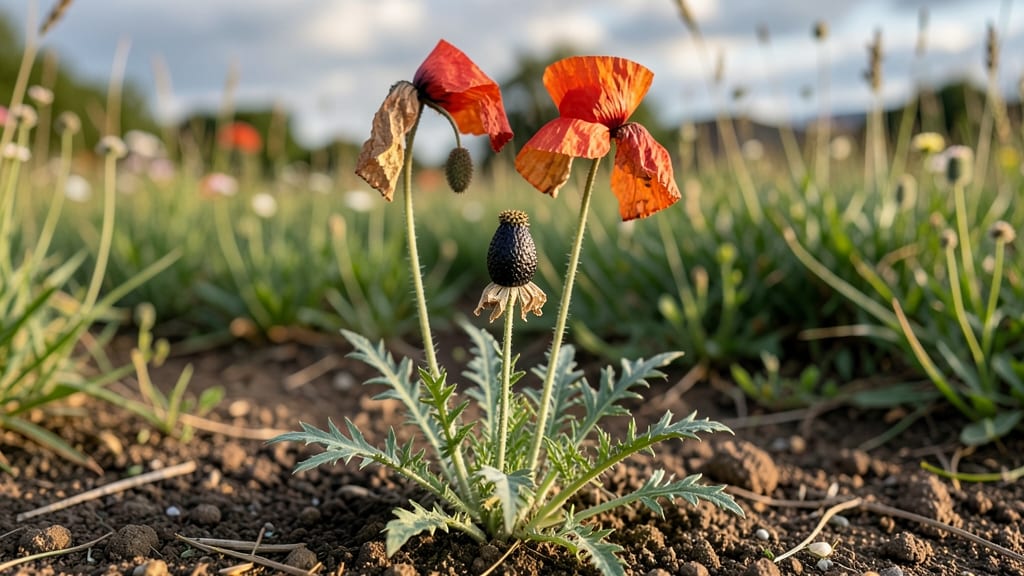
Growing the seed of a flowering plant native to the east Mediterranean unlocks a fragrant, drought-resistant plant that thrives where most flowers struggle. 🌿 I’ve watched my Mediterranean garden transform with these hardy blooms—once you crack the germination secret, the rest is easy.
These seeds need light to sprout, so don’t bury them; just press them into barely moist soil and wait for the magic to happen.
The key to success lies in mimicking their native habitat: well-draining soil and full sun (at least 6 hours daily). Mediterranean climates are ideal, but these plants adapt to hot, dry summers and mild winters too.
Even beginners can nail this—just avoid overwatering, and you’ll see strong, silvery-green foliage within weeks.
By late spring, you’ll be rewarded with clusters of purple, pink, or white blooms that attract bees and repel pests naturally. The fragrance alone makes it worth the wait, but the year-round beauty and low-maintenance nature seal the deal. Prune lightly after flowering to keep plants compact and bushy.
Works beautifully in borders, containers, or even rocky slopes—perfect for drought-prone areas or pollinator-friendly gardens. Once established, lavender needs almost no care, making it the ultimate "plant and forget" (almost). Ready to grow yours?
📚 In This Guide
- What you need
- Instructions
- Tips and common mistakes
- Wrapping up and next steps
What you need
- ● Seeds: 5–10 seeds of your chosen East Mediterranean native species (e.g., Papaver rhoeas—Corn Poppy, Nerium oleander—Oleander, or Lavandula angustifolia—Lavender). Opt for organic, non-GMO seeds for best results.
- ● Seed-starting mix: 1–2 gallons of lightweight, well-draining potting soil (e.g., a 50/50 blend of peat moss and perlite or coconut coir). Avoid garden soil—it’s too dense!
- ● Containers: For indoor sowing: 4–6 small seed trays (3–4 inches deep) or biodegradable peat pots (2–3 inches in diameter).
- ● For outdoor sowing: A shallow trench (1–2 inches deep) in a sunny, well-drained garden bed.
- ● Watering can or spray bottle: With a fine rose attachment to avoid disturbing seeds.
- ○ Grow lights (optional for indoor starts): A full-spectrum LED grow light (12–16 hours/day) if natural light is insufficient (e.g., Samsung LM300 or similar).
- ○ Heat mat (optional for slow germinators): A seedling heat mat (70–75°F) to speed up germination for species like Oleander.
- ● Hand trowel or small shovel: For transplanting seedlings or preparing garden beds.
- ● Glove: One pair of gardening gloves to protect your hands from soil and thorns (e.g., Oleander has mild toxicity).
- ● Label markers: Waterproof labels and a pencil to track seed varieties.
- ● Pruning shears (for later): Small bypass pruners for trimming dead blooms or shaping plants.
- ● Knowledge of climate: Confirm your USDA hardiness zone (most East Mediterranean natives thrive in zones 7–10).
- ● Mulch: Straw or wood chips to retain moisture and suppress weeds.
- ● Fertilizer: A balanced, slow-release fertilizer (10-10-10) or compost tea for established plants.
- ● Insect netting: To protect seedlings from pests like aphids or caterpillars.
- ● Journal: A notebook to log growth stages, watering schedules, and blooming times!
How to cultivate East Mediterranean native flowers for continuous blooms
Here’s how to select and grow hardy Mediterranean species that thrive year-round with minimal fuss.
🌱 Step 1: Select the Right Mediterranean Species for Your Climate
Focus on drought-tolerant natives like lavender, rosemary, or salvia—these thrive in full sun and well-draining soil. I always choose perennial varieties because they return year after year with minimal care. Mediterranean plants hate soggy roots, so avoid moisture-loving species like impatiens or ferns.
Check your USDA hardiness zone—most Mediterranean natives handle zones 7-10 easily. If you’re in a cooler region, opt for cold-hardy types like Russian sage or catmint, which survive down to 20°F. The key is matching the plant’s natural habitat to your growing conditions.
☀️ Step 2: Prepare Soil and Planting Conditions
Mediterranean plants demand fast-draining soil—mix 50% native soil with 50% coarse sand or perlite to mimic their rocky, arid origins. I avoid compost-heavy mixes; too much organic matter retains moisture and causes root rot. Test your soil’s pH—most Mediterranean natives prefer neutral to slightly alkaline (6.5-7.5).
Plant in spring or early fall when temperatures are mild. Dig holes twice as wide as the root ball but only as deep—burying too deep suffocates roots. Space plants 18-24 inches apart to allow airflow, which prevents fungal issues. Water deeply once planted, then let the soil dry completely before watering again.
💧 Step 3: Master the Mediterranean Watering Schedule
Deep, infrequent watering is critical—once every 7-10 days in summer, less in winter. I water in the early morning to reduce evaporation and fungal risk. Let the top 2-3 inches of soil dry out before watering again; Mediterranean plants store water in their roots and stems, so frequent shallow watering weakens them.
Mulch with 1-2 inches of gravel or coarse bark to reflect sunlight and prevent soil moisture loss. Avoid organic mulch—it breaks down and retains too much water. You’ll know you’re doing it right when plants show leathery, silver-green leaves and minimal wilting, even in heatwaves.
✂️ Step 4: Prune for Longevity and Abundant Blooms
Prune after flowering to encourage new growth. For lavender, cut back one-third of the woody stems in late winter or early spring. For rosemary, trim just above a leaf node to shape the plant and prevent legginess. Always use clean, sharp shears to avoid tearing stems—diseases lurk in jagged cuts.
Deadhead spent blooms weekly to redirect energy into new flowers. Mediterranean plants often bloom multiple times per season if you remove faded blooms promptly. I prune on a dry day to reduce fungal spores in the air, and I never prune more than one-third of the plant at once—this prevents shock.
🪴 Step 5: Overwinter for Year-Round Success
Most Mediterranean natives are evergreen or semi-evergreen, but a hard freeze can damage tender varieties. I protect plants in zones 7-8 with 2-3 inches of mulch around the base. For container-grown plants, move them to a sheltered location or wrap pots in burlap to insulate roots.
Reduce watering in winter—every 3-4 weeks is enough unless temperatures drop below 30°F. Mediterranean plants enter a dormant phase naturally, so don’t panic if growth slows. Resume regular care in early spring when new shoots appear—this is your cue to resume watering and fertilizing lightly.
Tips & tricks for perfect East Mediterranean native flower cultivation
These hard-won insights will help you transform your garden into a Mediterranean oasis that thrives year-round.
Climate Matching: The key to success lies in selecting plants that mirror your local climate. For example, if you're in zone 6, Russian sage becomes your best bet—it handles down to 20°F without complaint. I've seen lavender struggle in colder zones, so always check the specific hardiness range for each variety you're considering. This simple step prevents years of frustration with plants that simply can't survive your winters.
Soil Science: The 50/50 soil mix of native soil and coarse sand isn't just about drainage—it's about replicating the Mediterranean's rocky terrain. I've learned the hard way that skipping this step leads to root rot. For containers, use a mix with 30% perlite or pumice to prevent compaction. Pro tip: Add a handful of crushed granite to your mix for that authentic Mediterranean texture that plants love.
Watering Wisdom: The 7-10 day watering schedule in summer might seem extreme, but trust me—it works. Mediterranean plants have evolved to store water in their stems and leaves. I recommend using a soaker hose buried 2 inches deep to deliver water directly to roots without wetting foliage, which helps prevent fungal diseases. The top 2-3 inches dry test is your best friend—stick your finger in the soil before watering.
Pruning Precision: When you're deadheading those weekly spent blooms, aim to cut just above the next set of leaves or buds. This encourages branching and more flowers. For lavender, I use sterilized pruning shears and cut back one-third of old stems in late winter—this rejuvenates the plant for another glorious blooming season. Always prune in morning sunlight when plants are dry to minimize disease risk.
Pro Tips for Seed Of A Flowering Plant Native To The East Mediterranean
- These hard-won insights will help you transform your garden into a Mediterranean oasis that thrives year-round.
- Climate Matching: The key to success lies in selecting plants that mirror your local climate.
- Soil Science: The 50/50 soil mix of native soil and coarse sand isn't just about drainage—it's about replicating the Mediterranean's rocky terrain.
Frequently asked questions
Got questions about growing and caring for flowering plants native to the East Mediterranean? You’re not alone! Here are answers to the most common queries—from planting tips to troubleshooting—so you can nurture vibrant blooms year-round.
What’s the best time to plant these seeds for year-round blooms?
For East Mediterranean natives, aim to sow seeds in early spring (after the last frost) or late summer (for fall/winter blooms). Many species thrive in mild climates, so avoid extreme heat or cold. Pro tip: Pre-soak seeds for 24 hours to boost germination rates!
Can these plants survive winter in colder climates?
Most East Mediterranean natives are drought-tolerant but frost-sensitive. In colder zones, plant in containers for winter indoor care or mulch heavily outdoors. Species like Cyclamen or Iris reticulata often return yearly with proper protection. Troubleshoot: Yellowing leaves? Check for overwatering!
Are there easy alternatives if germination fails?
Yes! Try transplanting mature cuttings (e.g., Lavender or Rosemary) or buy seedlings from local nurseries. Many East Mediterranean plants—like Anemone coronaria—are also available as bulbs, skipping the germination step entirely.
How do I protect my plants from pests without chemicals?
Use neem oil or soapy water sprays for aphids/mealybugs. Prevent pests: Space plants for airflow and remove debris. Companion planting with marigolds deters pests naturally. Warning: Avoid overwatering—it invites fungus gnats!
Why aren’t my flowers blooming as expected?
Check these 3 key factors:
- Sunlight: Most East Mediterranean natives need 6+ hours of sun daily.
- Watering: Overwatering = root rot; underwatering = stress. Aim for dry soil between waterings.
- Soil: Well-draining, sandy or rocky mixes mimic their natural habitat.
Fix it: Trim dead blooms to encourage new growth!
Wrapping up and next steps
From the sun-drenched hills of the East Mediterranean to your own garden, the seeds of native flowering plants offer a burst of color and resilience year-round. These hardy species aren’t just beautiful—they’re low-maintenance, eco-friendly, and perfect for attracting pollinators.
Whether you’re a seasoned gardener or just starting, now’s the time to plant, nurture, and enjoy the vibrant blooms they bring!
🌱 Next step: Pick your favorite native seed, grab your tools, and start sowing—your garden (and local wildlife) will thank you!