
Lawn
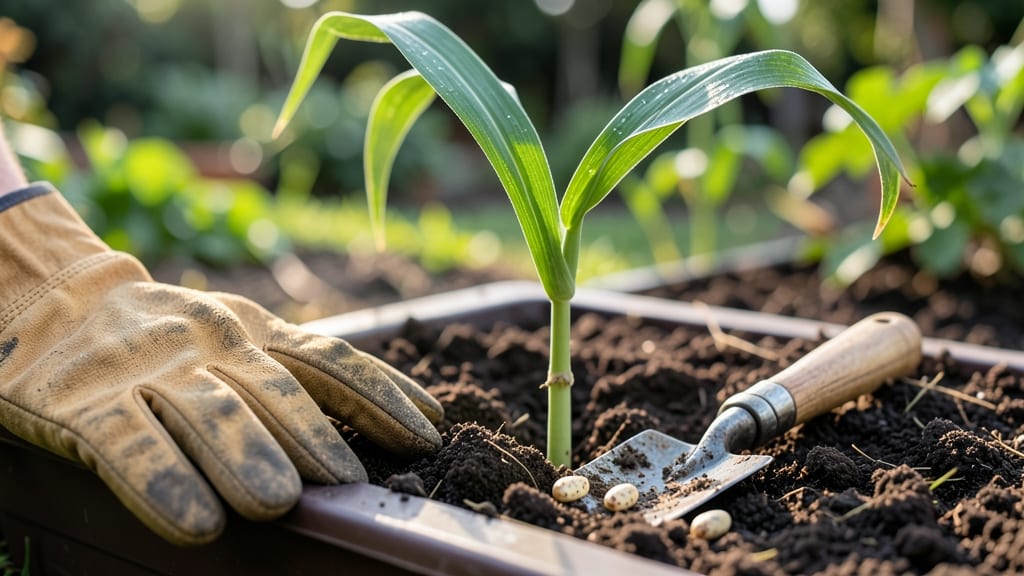
Growing maize from seed starts with the right pod—one that won't twist before harvest. 🌽 The secret lies in sturdy stalks, proper spacing, and a few simple tricks that prevent those frustrating ear rot issues.
I've learned the hard way that weak pods mean wasted seeds, so I focus on strong plants first. You'll need well-draining soil, full sun, and patience—maize loves warmth and takes 90-120 days to mature.
The key is planting seeds 1-1.5 inches deep when soil reaches 60°F, with 12-18 inches between plants. Water consistently but avoid soggy soil, which invites disease. By harvest time, you'll have plump ears ready for drying—if you've avoided the common pitfalls.
The pods themselves become next year's seed source, so saving them properly is half the battle. Sturdy stalks mean fewer broken ears and better seed viability. Works in temperate zones with spring planting or tropical areas year-round. Here's how to keep those pods intact until harvest!"
📚 In This Guide
- What you need
- Instructions
- Tips and common mistakes
- Wrapping up and next steps
What you need
- ● Maize seeds: 1 lb (or 100+ seeds) of non-hybrid or heirloom varieties (e.g., 'Country Gentleman' or 'Golden Bantam'). Avoid hybrid seeds if saving seeds is your goal!
- ● Well-draining soil: 10–15 cubic feet of fertile, slightly acidic soil (pH 6.0–6.8). Mix in 1–2 cups of compost per square foot for nutrient-rich beds.
- ● Water: Consistent access to water (drip irrigation or soaker hoses work best to avoid fungal risks).
- ● Garden trowel or transplanter: For planting seeds 1–1.5 inches deep.
- ○ Stakes or trellis (optional but helpful): 4–6 ft tall to support heavy pods and prevent twisting.
- ● Pruning shears: For trimming damaged leaves or excess stalks.
- ● Harvesting knife or scissors: Sharp tools to snip pods cleanly.
- ● Seed-saving envelopes: Paper or breathable fabric bags to store dried seeds (label with variety and date!).
- ● Sunlight: A full-sun location (6+ hours/day)—maize is sun-hungry!
- ● Warmth: Soil temps of 60°F+ (use a soil thermometer if planting early).
- ● Space: 12–18 inches between plants (or rows) to allow airflow and prevent disease.
- ● Fertilizer: Balanced 10-10-10 or organic options like worm castings (apply mid-season if leaves yellow).
- ● Mulch: Straw or grass clippings to retain moisture and suppress weeds.
- ● Pest deterrents: Neem oil or row covers for early protection against corn earworms.
- ● Growth chart: Track plant height and pod development for optimal harvest timing.
How to grow maize for twist-resistant pods and save viable seeds
Here's how I ensure strong, straight maize stalks that produce pods you can save for next year.
🌱 Step 1: Select and Prepare the Right Variety
Choose an open-pollinated maize variety like 'Country Gentleman' or 'Golden Bantam'—these produce reliable seeds. I always pick varieties bred for home saving because hybrid maize rarely produces true-to-type seeds. Start with 4 healthy plants spaced 12 inches apart in rows 3 feet apart for proper air circulation.
Maize needs full sun (6+ hours daily) and well-drained soil with a pH of 6.0-7.0. Test your soil first—maize hates waterlogged roots. If your soil is heavy clay, mix in 2 inches of compost per planting hole to improve drainage. Plant seeds 1 inch deep when soil reaches 60°F—that's when you'll see the first sprouts in 7-10 days.
☀️ Step 2: Support Stalks Early to Prevent Twisting
Twisted maize comes from uneven wind exposure or weak stems. I tie each stalk to a 3-foot bamboo stake when plants reach 12 inches tall, using soft twine. This prevents leaning and encourages straight growth. Watch for first tassels (male flowers) at the top—this signals pollination is about to begin.
Here's the thing—maize needs cross-pollination. If you're saving seeds, plant at least 4 different varieties nearby to ensure proper fertilization. You'll know pollination worked when silks turn brown and the ears begin filling out. Harvest when kernels are fully dented (indented) and dry to the touch.
💧 Step 3: Harvest and Dry Pods Properly
Cut ears with 2 inches of stalk attached and hang them upside-down in a dry, well-ventilated spot for 3-4 weeks. The kernels should rattle inside when fully dry. If you leave them too long, they'll shatter. I check daily after 2 weeks
Remove dried ears from the stalks and shell the kernels by hand. Spread them on a tray in a single layer and let them dry another 2 weeks under a fan or in a warm, dry place. Proper drying prevents mold and ensures viability. Store seeds in a cool, dark place in a sealed container—this keeps them good for 3-5 years. Before planting saved seeds, do a quick viability test. Place 10 seeds in a glass of water—viable seeds sink within 10 minutes. If 80% or more sink, they're ready to plant. If fewer sink, store the rest and try again next year. Plant saved seeds 1 inch deep in 60°F soil just like fresh ones. Real talk: Saved maize seeds may take 2-3 days longer to germinate than fresh ones. Keep the soil consistently moist until sprouts appear. You'll see the first true leaves in 7-10 days—that's your signal everything is working. Thin to the strongest plant per stake to avoid competition.✂️ Step 4: Test Seed Viability Before Next Year
Tips & tricks for growing straight maize stalks
Took me years of trial and error to perfect these simple tricks for growing maize that actually stands tall and produces reliable seeds. These details make all the difference between twisted, weak stalks and sturdy plants ready for next year's harvest.
Variety Matters: While open-pollinated varieties like 'Country Gentleman' are your best bet for seed saving, don't overlook the importance of planting at least 4 different varieties nearby. This cross-pollination ensures proper fertilization and prevents weak, underdeveloped ears. I've learned the hard way that planting just one variety often leads to poor seed viability—your ears might look full but won't produce true-to-type seeds.
Support System Secret: The 3-foot bamboo stakes work wonders, but here's what nobody tells you—the timing matters. Wait until plants reach exactly 12 inches tall before staking. Any earlier and the twine will cut into the tender stems as they grow. Any later and you risk the stalks developing weak spots from wind exposure. I use soft twine (not wire) to prevent damage to the growing plant.
Harvesting Hacks: When checking for dryness after those 3-4 weeks of hanging, focus on the kernels' sound rather than appearance. Give each ear a gentle shake—viable dry kernels should make a clear rattling sound. If they feel slightly damp or sound hollow, they need more time. I keep a small notebook to track each variety's drying time, as some finish in 21 days while others need the full 28 days.
Pro Tips for Seed Of Maize
- Took me years of trial and error to perfect these simple tricks for growing maize that actually stands tall and produces reliable seeds.
- Variety Matters: While open-pollinated varieties like 'Country Gentleman' are your best bet for seed saving, don't overlook the importance of planting at least 4 different varieties nearby.
- Support System Secret: The 3-foot bamboo stakes work wonders, but here's what nobody tells you—the timing matters.
Frequently asked questions
Got questions about growing maize seeds? You’re not alone! Here are some of the most common queries—plus quick, practical answers to help you grow twist-resistant pods and save seeds for next year.
How do I know when maize seeds are fully mature and ready to harvest?
Maize seeds are ready when the husks turn completely brown and the kernels inside are hard and dry (like popcorn kernels). Gently squeeze a pod—if it feels papery and crumbly, it’s time to harvest! Avoid harvesting too early, or seeds won’t store well.
Can I save maize seeds from store-bought corn?
Nope! Store-bought corn is often hybridized for sweetness, not seed viability. For twist-resistant pods and viable seeds, plant open-pollinated or heirloom varieties instead. Check seed packets for labels like “seed-saving friendly.”
Why are my maize pods twisting or cracking before harvest?
Twisting or cracking usually means uneven moisture or over-mature pods. Ensure consistent watering (1–1.5 inches per week) and avoid drought stress. If pods twist early, try shading plants during peak heat or pruning excess ears to redirect energy.
How should I store maize seeds for next year’s planting?
Clean seeds thoroughly, let them dry completely (moisture <10%), then store in a cool, dark, airtight container (like a mason jar). Keep them in the fridge or a root cellar for up to 2–3 years. Test germination annually by planting a few seeds!
Are there alternatives to traditional maize for seed-saving?
Yes! Try dent corn (like ‘Country Gentleman’) or flint corn (like ‘Black Aztec’), which are hardier and better for seed production. For small gardens, consider popcorn varieties—they’re fun to grow and save!
Wrapping up and next steps
Growing maize from viable seeds is a rewarding journey that ensures a bountiful harvest year after year! 🌱 By selecting twist-resistant pods, gathering seeds at the right maturity, and storing them properly, you’re setting the stage for next season’s success. Your hard work today will pay off with stronger, healthier plants tomorrow.
Ready to take the next step? Start small—plant a few pods this season, refine your technique, and watch your maize thrive! Happy gardening! 🌾