
Lawn
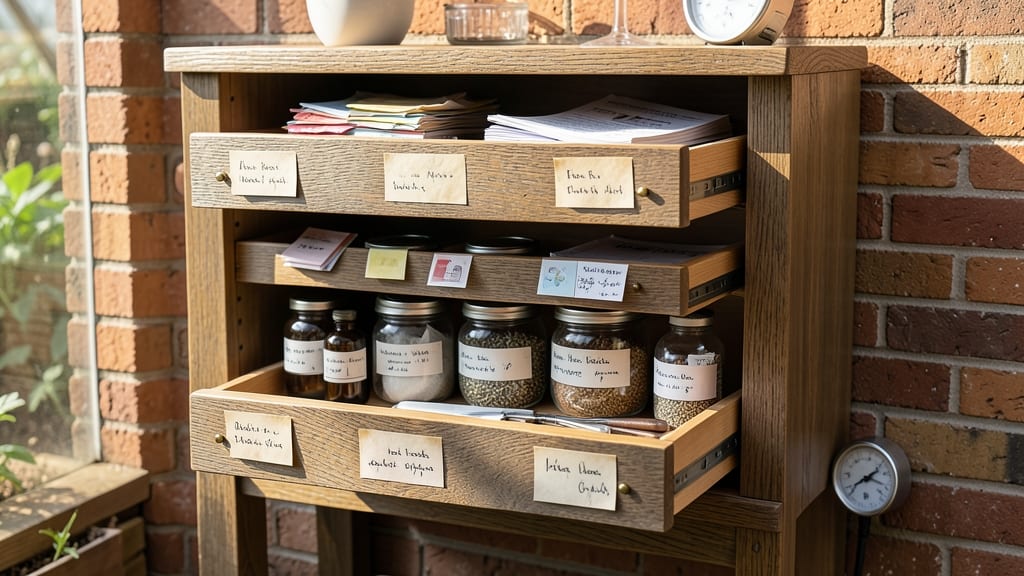
Climate-controlled seed storage cabinets save your seeds from the silent killers—moisture, heat, and light—that turn viable seeds into dust within months. 🌱 I learned this the hard way when my heirloom tomato seeds sprouted unevenly after sitting in a damp basement for winter.
The right cabinet keeps seeds fresh for 5-10 years or longer, ensuring you always have next season’s favorites ready to plant.
You don’t need a fancy setup to start—simple airtight containers with silica gel packs work for short-term storage, while commercial cabinets with humidity controls (around 30-40%) and consistent 35-40°F temperatures are the gold standard.
Labeling each packet with the seed type, harvest year, and germination test date turns chaos into a system that actually works.
Properly stored seeds stay dry, smell clean, and germinate like new. The payoff? No last-minute nursery scrambles for rare varieties, no wasted money on replanting failed seeds, and the satisfaction of knowing your garden’s future is safe and sound.
Whether you’re a seed saver with a collection or just want to protect your starter pack, the right storage makes all the difference. Let’s dive into the best ways to keep your seeds viable year after year.
📚 In This Guide
- What you need
- Instructions
- Tips and common mistakes
- Wrapping up and next steps
What you need
- ● Seed Storage Cabinet: Pre-made climate-controlled unit (e.g., SeedVault, Horticulture Supply models) with: Temperature range: 32–41°F (0–5°C)
- ● Humidity control: 30–50%
- ● Airtight or sealed design
- ● Seed Storage Containers: Airtight, moisture-proof containers (e.g., Mylar bags, glass jars, or BPA-free plastic with oxygen absorbers).
- ● Desiccant Packs: Silica gel or clay-based desiccants (replace every 1–2 years).
- ● Oxygen Absorbers: 1–2 per container (for long-term storage).
- ● Labeling Supplies: Acid-free labels, permanent markers, or archival paper.
- ● Thermometer/Hygrometer: Digital probe type for real-time monitoring.
- ● Insulation Materials: Foam board (1–2 inches thick) or thermally reflective insulation.
- ● Sealing Supplies: Weatherstripping, butyl rubber gaskets, or silicone sealant.
- ● Cooling System: Small compressor-based cooler (e.g., 12V fridge unit) or Peltier cooler.
- ○ Power Supply: Battery backup or solar panel (optional for off-grid setups).
- ● Basic Tools: Screwdriver, drill, measuring tape, and heat gun (for sealing).
- ● Alarm System: Temperature/humidity alert (e.g., smart sensor with notifications).
- ● UV-Protective Film: For windows or transparent containers.
- ● Modular Shelving: Adjustable racks for organized seed storage.
- ● Backup Power: UPS (Uninterruptible Power Supply) for climate control.
Step-by-step guide to setting up a seed storage cabinet
Here's how to create a reliable seed storage system that preserves viability for years.
🪴 Step 1: Select the Right Cabinet Location and Size
Choose a cabinet that fits in a cool, dry area of your home—ideally between 50-55°F with 30-40% humidity. Avoid basements prone to dampness or attics with temperature swings. A 4-cubic-foot cabinet is ideal for most home seed collections, providing enough space for organized seed packets while maintaining stable conditions.
Position the cabinet away from windows, appliances that generate heat, or direct sunlight. I like to place mine in a closet with a small dehumidifier running nearby to maintain consistent moisture levels. The cabinet itself should have solid wood or metal construction to prevent temperature fluctuations from outside air.
☀️ Step 2: Install Climate Control Components
Add a digital thermostat with a small fan to maintain precise temperature control. Set it to 50-55°F—this range slows seed aging dramatically compared to room temperature. I recommend a mini-refrigerator thermostat with a 1°F accuracy range, as seeds are highly sensitive to temperature variations.
For humidity control, include a silica gel packet or hygrometer to monitor moisture levels. If your cabinet doesn't have built-in ventilation, drill small holes at the top and bottom to allow air circulation without letting in outside air. Test the setup by running it for 24 hours and checking that the temperature stabilizes within the target range.
🌱 Step 3: Organize Seeds for Maximum Protection
Use airtight mylar bags with oxygen absorbers for each seed variety. Place the sealed bags inside labelled cardboard boxes or plastic bins to protect them from light. I organize seeds by family and maturity group, with the oldest seeds in the front for easy rotation.
Store seeds in the middle shelves of the cabinet where temperature is most stable. Avoid overcrowding—leave at least 1 inch of space between seed containers for proper air circulation. For extra protection, add a small packet of cedar blocks to deter pests naturally without chemicals.
⏰ Step 4: Monitor and Maintain Conditions
Check the cabinet's temperature and humidity weekly during the first month, then monthly afterward. Use a digital hygrometer to ensure levels stay between 30-40%. If humidity rises above 45%, add more silica gel packets or consider a small dehumidifier.
Rotate seeds every 6 months to check for viability. Test a few seeds from each variety by planting them—if germination rates drop below 80%, replace those seeds. Keep a seed inventory log with purchase dates and viability test results to track your collection's health over time.
Tips & tricks for perfect seed storage cabinets
Took me years of trial and error to perfect these climate-controlled seed storage strategies—here's what actually works.
Precision Temperature Control: The 50-55°F range isn't just a suggestion—it's the biological sweet spot for seed longevity. I've seen seeds last 10+ years at 52°F, but just 5°F higher can cut viability in half. Use a thermometer with 1°F accuracy to verify your setup, especially if you're using repurposed cabinets. The 24-hour test run in Step 2 is non-negotiable—this ensures your thermostat isn't just cycling on and off without stabilizing.
Humidity Defense System: Silica gel packets are your first line of defense, but don't rely on them alone. Place a small dehumidifier outside the cabinet door to create a moisture gradient that pulls humidity out before it enters. I keep a hygrometer inside and one outside—if outside humidity exceeds 50%, I run the dehumidifier continuously. The 30-40% range is critical because seeds absorb moisture through their shells, even when sealed.
Seed Organization Strategy: Middle shelves are non-negotiable for temperature stability, but here's the secret: use small, shallow containers instead of deep bins. This creates better air circulation and prevents temperature stratification. I label each container with both the seed variety and its purchase date—this makes rotation effortless. The 6-month viability test isn't just about checking seeds; it's about training yourself to replace old stock before it becomes problematic.
Long-Term Protection: For seeds you plan to store beyond 5 years, consider adding a small packet of activated charcoal in each mylar bag. It absorbs any residual moisture or gases that might develop over time. I also recommend vacuum-sealing the cardboard boxes after placing them in the cabinet—this creates an extra barrier against light and minor temperature fluctuations that might occur during door openings.
Pro Tips for Seed Storage Cabinets
- Took me years of trial and error to perfect these climate-controlled seed storage strategies—here's what actually works.
- Precision Temperature Control: The 50-55°F range isn't just a suggestion—it's the biological sweet spot for seed longevity.
- Humidity Defense System: Silica gel packets are your first line of defense, but don't rely on them alone.
Frequently asked questions
Got questions about keeping your seeds safe and viable? Here are some of the most common ones—plus straightforward answers to help you choose the right seed storage cabinet for your needs.
What temperature range is best for storing seeds in a climate-controlled cabinet?
Aim for 32–41°F (0–5°C) with low humidity (5–15%) to maximize seed longevity. Most seed storage cabinets are designed to maintain these conditions automatically, preserving viability for years. Pro tip: Avoid extreme fluctuations—consistency is key!
How long can seeds stay viable in a seed storage cabinet?
With ideal conditions, heirloom and non-hybrid seeds can last 5–10+ years, while hybrid seeds typically remain viable for 2–5 years. Climate-controlled cabinets slow aging by reducing moisture and temperature stress. Always label seeds with storage dates for tracking!
Are seed storage cabinets worth the investment compared to DIY solutions?
For serious gardeners, yes! DIY options (like cool basements or refrigerators) can work short-term, but they risk humidity spikes or temperature swings. Cabinets offer precision control, durability, and protection from pests—ideal for seed banks or commercial use.
How do I prevent mold or pests in my seed storage cabinet?
Start with dry, clean seeds and use desiccant packs or silica gel to absorb moisture. Avoid overcrowding, and inspect seeds annually for signs of pests. Quick fix: Freeze seeds for 48 hours to kill any lurking insects before storage.
Can I use a seed storage cabinet for other small items, like spices or medications?
These cabinets are perfect for temperature-sensitive items like spices, tea, or even some medications (check label requirements). Just avoid storing anything that releases moisture or odors, which could compromise seed quality.
Wrapping up and next steps
Investing in a seed storage cabinet is one of the smartest ways to safeguard your seeds against humidity, temperature swings, and pests—ensuring they stay viable for years to come. Whether you're a gardener, farmer, or seed collector, climate-controlled storage gives you peace of mind and unlocks long-term growing potential. 🌱
Ready to take the next step? Start by assessing your seed collection needs, then explore high-quality storage options tailored to your space and budget. With the right cabinet, you’ll be well on your way to year-round seed success!