
Lawn
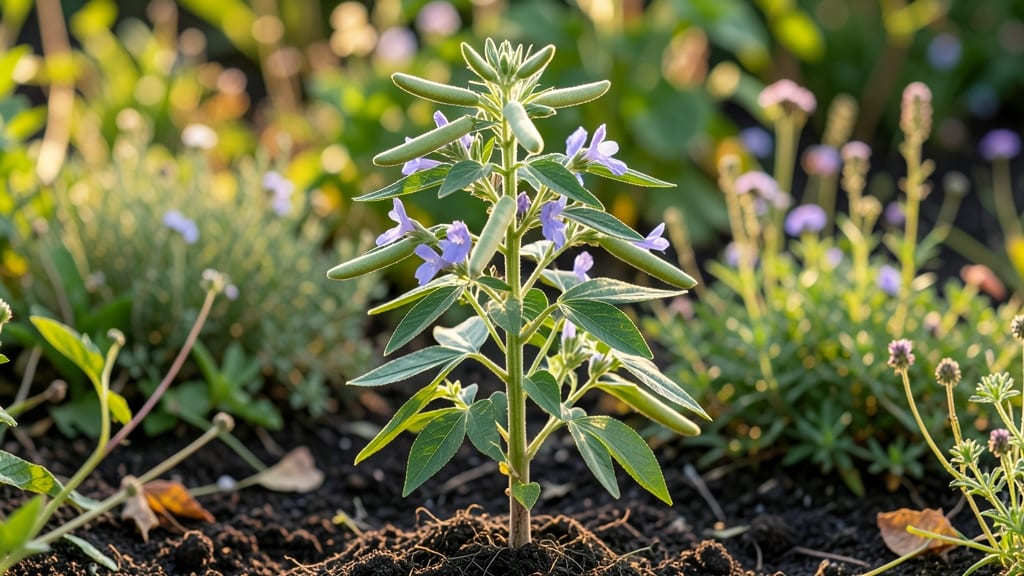
Fast sesame seed growth starts with the right timing and soil prep—planting too early means waiting weeks for germination. 🌱 I’ve grown sesame in my backyard, and the key to thick, uniform plants is warm soil (at least 70°F) and consistent moisture without soggy soil.
Most gardeners rush this step, but patience here means faster, stronger seedlings.
You’ll need well-draining soil mixed with compost, seeds planted just ½ inch deep, and spacing about 6 inches apart in rows 18 inches apart. Sesame thrives in full sun (6+ hours daily) and dry conditions—overwatering is the #1 mistake.
My first crop struggled until I mimicked its natural dry habitat, and the difference in growth was immediate.
By 60 days, you’ll see those signature white flowers, and harvest happens when pods turn yellow-brown. The plants stay compact, making them perfect for small gardens or containers. With proper care, you’ll get a high-yield harvest in about 3 months—way faster than most annuals.
Works best in warm climates (Zones 7-10), but with a greenhouse or delayed planting, cooler regions can still grow sesame. Just avoid heavy clay soil—it slows germination and weakens plants. Here’s how to get started without the guesswork.
📚 In This Guide
- What you need
- Instructions
- Tips and common mistakes
- Wrapping up and next steps
What you need
- ● Sesame seeds: 1–2 lbs (0.5–1 kg) per 100 sq ft (high-quality, organic seeds for best germination).
- ● Well-draining soil: Tested pH 6.0–7.0 (amend with compost if needed).
- ● Lawn roller or heavy board: 4–6 ft wide (for firming seedbed).
- ● Watering can or hose with fine nozzle: For gentle, even moisture.
- ● Lightweight straw or peat moss: ¼ inch layer (to protect seeds from birds/drought).
- ○ Fertilizer (optional but recommended): Low-nitrogen, balanced blend (e.g., 5-10-10) for early growth.
- ● Broadcast spreader: For even seed distribution (calibrated to 1–2 lbs/100 sq ft).
- ● Garden rake: Fine-toothed for smoothing soil post-seeding.
- ● Weather forecast: 5+ days of warm temps (70–85°F / 21–29°C) and no rain predicted.
- ○ Mulch fabric (optional): Biodegradable for weed suppression (remove after germination).
- ● 🌡️ Prep soil 1–2 weeks ahead: Aerate compacted areas and remove debris for optimal seed contact.
- ● ✨ Use a seed starter fertilizer: Boosts germination speed (e.g., with thiamin or gibberellic acid).
- ● 💧 Water lightly 2x/day: Keep soil damp (not soggy) until seeds sprout (5–10 days).
Step-by-Step instructions for growing sesame seeds as a fast-germinating lawn cover
Here's how to get sesame seeds sprouting in just a few days for that lush, green ground cover.
🌱 Step 1: Prepare the Soil for Optimal Germination
Sesame seeds thrive in well-draining soil with a pH between 6.0 and 7.0. Work the top 4 inches of soil to loosen it, removing any rocks or debris that could hinder root growth. If your soil is heavy clay or sand, mix in 2 inches of compost to improve texture and fertility.
I like to rake the area smooth afterward—this ensures even seed contact with the soil, which is key for fast, uniform germination. Sesame seeds are tiny, so a perfectly level surface prevents them from rolling into clumps where they might rot instead of sprouting.
💧 Step 2: Plant Seeds at the Right Depth and Spacing
Sesame seeds should be planted ¼ inch deep—just enough to cover them lightly without burying them too deeply. Scatter seeds ½ inch apart in all directions for a dense, carpet-like effect. A handful of seeds per square foot should give you full coverage once they establish.
Don’t worry about overcrowding—sesame seedlings are tough and will naturally thin themselves as they compete for light. Once planted, gently press the soil down with your hand or a light rake to ensure good seed-to-soil contact. This step is critical for fast germination.
☀️ Step 3: Keep Soil Moist and Warm for Speed
Sesame seeds germinate fastest in warm soil (70-80°F). Water the area lightly immediately after planting to moisten the soil, then keep it consistently damp—not soggy—until germination. A fine mist from a spray bottle works best to avoid disturbing the seeds.
I cover the area with a lightweight row cover or clear plastic for the first 3-5 days to trap heat and moisture. This isn’t required, but it speeds up germination significantly, especially in cooler climates. Watch for tiny green shoots in 3-7 days—that’s your reward for keeping conditions just right.
✂️ Step 4: Thin and Maintain for a Thick, Uniform Lawn
Once seedlings reach 1-2 inches tall, thin them to 2 inches apart to prevent overcrowding. Use scissors or your fingers to snip excess plants at soil level—this gives remaining seedlings more room to grow and strengthens their root systems.
After thinning, water deeply once a week unless rainfall provides 1 inch of moisture. Sesame lawns are drought-tolerant once established, but consistent moisture in the first few weeks ensures thick coverage. Mow when the grass reaches 3-4 inches to keep it lush and manageable.
🌿 Step 5: Monitor and Adjust for Long-Term Success
Sesame lawns grow quickly but may need occasional fertilizing. Apply a light, balanced fertilizer (10-10-10) every 6-8 weeks during the growing season to keep them vibrant. Avoid heavy applications—sesame plants prefer lean soil and can become leggy if overfed.
Watch for weeds early on—they’ll compete with your sesame seedlings. A quick hand-pulling session every few weeks keeps the lawn looking neat. Once established, sesame plants will outcompete most weeds naturally, making maintenance a breeze.
Tips & tricks for fast-germinating sesame seed lawns
Here's what I've learned after growing sesame lawns for years—these little tricks make all the difference for speed and success.
Soil Prep Secret: In Step 1, don't just loosen the top 4 inches—break up any hardpan layers you find. I use a garden fork to gently tap through compacted soil, creating tiny air pockets that help roots establish faster. This is especially important if your area gets heavy foot traffic, as compacted soil can slow germination by up to 3 days.
Planting Precision: For Step 2, use a simple trick to get that perfect ½-inch spacing: sprinkle seeds through a fine mesh strainer held 6 inches above the soil. This creates an even distribution without clumping. I also recommend planting in the late afternoon when temperatures are cooler—this reduces moisture loss during those critical first hours.
Heat Boost: The 70-80°F soil temperature in Step 3 is non-negotiable for speed. If you're planting in cooler weather, lay down black landscape fabric a day before planting to absorb sunlight and warm the soil. You can also use a seedling heat mat (set to 75°F) under your planting area for the first 48 hours. This cuts germination time from 7 days to just 3-4 days in cooler conditions.
Thinning Technique: When thinning in Step 4, I wait until seedlings reach exactly 1.5 inches tall—this gives them enough strength to recover from thinning. Use sharp scissors to cut at soil level rather than pulling, which can damage neighboring roots. The resulting 2-inch spacing creates that perfect dense carpet effect without overcrowding.
Pro Tips for Sesame Seed Growth
- Here's what I've learned after growing sesame lawns for years—these little tricks make all the difference for speed and success.
- Soil Prep Secret: In Step 1, don't just loosen the top 4 inches—break up any hardpan layers you find.
- Planting Precision: For Step 2, use a simple trick to get that perfect ½-inch spacing: sprinkle seeds through a fine mesh strainer held 6 inches above the soil.
Frequently asked questions
Got questions about growing sesame seeds for a lush lawn cover? Here are some of the most common ones—plus quick answers to help you get started!
How long does it take for sesame seeds to germinate?
Sesame seeds typically germinate within 5 to 10 days under ideal conditions (warm soil, consistent moisture, and sunlight). For faster results, pre-soak seeds for 4–6 hours before planting. Pro tip: Keep soil temps above 65°F (18°C) to avoid delays!
Do sesame seeds need a lot of water to grow?
Not at all! Sesame plants are drought-tolerant once established, but young seedlings need moderate moisture (about 1 inch per week). Overwatering can cause rot, so let the top inch of soil dry between waterings. Bonus: Mulch lightly to retain moisture without suffocating roots.
Can I grow sesame seeds year-round, or is there a best season?
Sesame thrives in warm seasons (spring to early fall in most climates). Plant after the last frost when soil temps hit 70°F (21°C). In cooler regions, start seeds indoors 4–6 weeks before the last frost. Warning: Avoid planting in freezing temps—they won’t survive!
What’s the fastest way to get thick, uniform coverage?
For a dense lawn, sow seeds densely (about 10–15 seeds per square foot) and thin seedlings to 6 inches apart once they’re 2–3 inches tall. Use a light layer of compost (¼ inch) to improve soil contact. Pro tip: Rake seeds gently to avoid burying them too deep!
What can I do if my sesame seeds aren’t germinating?
Check these fixes:
- Soil temp: Too cold? Wait until it warms up or use a seedling heat mat.
- Moisture: Keep soil damp (not soggy) with a spray bottle if needed.
- Depth: Seeds buried >½ inch may struggle—replant shallowly.
- Fresh seeds: Old seeds lose viability; test a few in a damp paper towel first.
Wrapping up and next steps
Growing a lush, thick lawn from sesame seeds is absolutely achievable with the right techniques!
By following this fast-germination guide, you’ve learned how to optimize soil conditions, timing, and care for uniform, vibrant growth. 🌱 Whether you’re a seasoned gardener or a beginner, your efforts will soon pay off with a stunning, dense green carpet underfoot.
Ready to take the next step? Start by marking your planting zones, gathering your supplies, and setting a reminder for your first watering session. Your dream lawn is just a few seeds away—go get it! 🌟