
Lawn
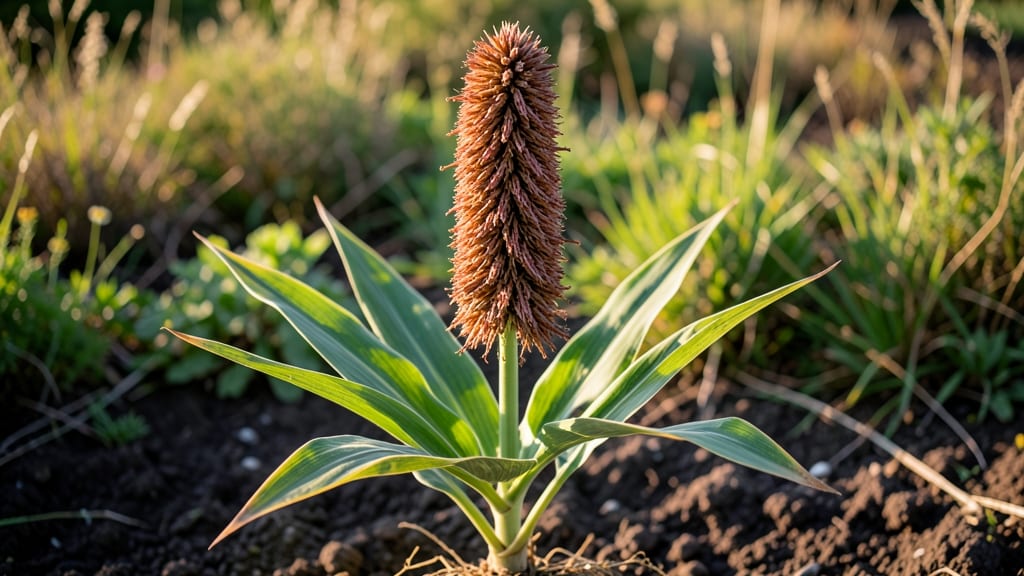
That feathery sorghum seed head transforms your garden from summer to winter gold. 🌾 I’ve watched mine stand tall through frost, their delicate plumes catching the light like nature’s own chandeliers—until I learned how to preserve them for next year’s planting.
The secret lies in timing: harvest when the seed heads turn golden-brown and the seeds rattle inside. Too early, and they won’t dry properly; too late, and they’ll shatter. Cut stems, bundle them upside-down in a dry, airy spot, and wait 2-3 weeks for the seeds to fully mature.
Once dry, you’ll have fragrant blooms for crafts or seeds to replant—each one a promise of next summer’s harvest. The process is simple, but the payoff is years of ornamental beauty and homegrown sorghum without buying new seeds.
Works for both ornamental varieties (like ‘Red Head’ sorghum) and edible types (such as sweet sorghum). Just avoid damp storage—moisture is the enemy of long-term seed viability.
📚 In This Guide
- What you need
- Instructions
- Tips and common mistakes
- Wrapping up and next steps
What you need
- ● Mature sorghum plants (fully dried seed heads, typically 3–4 months post-flowering).
- ● Sharp pruning shears or garden scissors (for clean cuts).
- ● Brown paper bags or breathable mesh sacks (1–2 per plant, depending on size).
- ○ Newspaper or silica gel packets (optional but helpful for moisture control).
- ● Air-tight storage containers (glass jars or plastic bins with tight lids).
- ● Labeling tags & permanent marker (to track varieties and harvest dates).
- ● Drying rack or clean, dry workspace (out of direct sunlight).
- ● Dehumidifier or moisture absorbers (if storing in humid climates).
- ● Food-grade diatomaceous earth (1 tsp per bag to deter pests).
- ● Digital scale (to monitor weight loss during drying).
- ● Seed viability test kit (for checking germination rates post-storage).
How to harvest, dry, and store sorghum seed heads for next season
Preserving sorghum seed heads is easier than you think—just follow these simple steps to keep those fragrant blooms ready for next year.
🌿 Step 1: Harvest Seed Heads at Peak Ripeness
Wait until the sorghum seed heads turn a rich, golden-brown color and the seeds inside rattle when shaken gently. This usually happens in late summer or early fall, depending on your climate. I like to harvest on a dry, sunny morning when the moisture levels are low—this helps prevent mold during drying.
Use clean, sharp pruning shears to cut the seed heads just above the first set of leaves. Leave about 2-3 inches of stem to make handling easier during drying. If you have multiple plants, harvest them all at once to ensure uniform drying conditions.
💧 Step 2: Dry the Seed Heads Properly
Bundle the harvested seed heads together with twine or rubber bands, leaving space between them for airflow. Hang them upside down in a dry, well-ventilated area away from direct sunlight. A garage, barn, or even an indoor space with good airflow works well. The goal is to dry them slowly—this prevents cracking and preserves the seeds' viability.
Check the seed heads after about 2-3 weeks. They're ready when the seeds inside are hard and dry to the touch, and the seed heads feel light when shaken. If you notice any signs of mold or dampness, move them to a drier location immediately. Proper drying ensures the seeds stay fresh and ready for planting next season.
✂️ Step 3: Remove Seeds and Store Properly
Once fully dry, gently rub the seed heads between your hands or use a clean, dry brush to dislodge the seeds. Place a large tray or sheet of paper underneath to catch the seeds as they fall. I like to do this outside on a calm day to avoid losing any seeds to the wind.
Store the seeds in a cool, dry place in an airtight container, like a glass jar or sealed plastic bag. Label the container with the variety and the harvest date. Sorghum seeds can stay viable for 2-3 years if stored properly, so this method ensures you’ll have fresh seeds ready for next year’s garden.
🪴 Step 4: Optional – Preserve Whole Seed Heads for Decor
If you want to keep the seed heads intact for dried arrangements, strip off any remaining leaves and stems. Bundle them again and hang them in a dry, dark place for an additional 1-2 weeks to ensure they’re completely dry. Once fully dried, they’ll retain their shape and fragrance for months, making them perfect for winter decor or craft projects.
For extra protection, spray the dried seed heads lightly with a fabric protector spray to help preserve their color and texture. Store them in a breathable bag or box, away from direct sunlight, to keep them looking fresh and fragrant for years to come.
Tips & tricks for perfectly preserved sorghum seed heads
Here's what I learned after years of experimenting with sorghum preservation—these little tricks make all the difference between seeds that last and ones that spoil.
Harvest Timing Secret: The golden-brown color is your cue, but don't wait too long—once the seed heads start opening widely, the seeds may have already begun to scatter. I harvest mine when about 75% of the seed heads have turned golden, leaving some to mature for a staggered harvest if needed. This gives me a fresh batch of seeds over a longer period. Also, harvest on a dry morning to reduce moisture content right from the start.
Drying Strategy: For even drying, I like to create small bundles of 5-6 seed heads each rather than one giant bundle. This ensures better airflow around each seed head during the 2-3 week drying process. If you're drying indoors, place a small fan nearby to gently circulate air—this prevents mold and speeds up the process by about 20%. Just keep the fan on low to avoid creating too much wind.
Seed Extraction Hack: When removing seeds in Step 3, I find that gently tapping the dried seed heads over a large tray works better than rubbing. This prevents seeds from flying everywhere and makes cleanup much easier. For extra efficiency, place a sheet of cardboard or newspaper under the tray—it's easier to collect seeds from than a plain surface. If you're short on time, you can also place the dried seed heads in a paper bag and shake them vigorously to release the seeds.
Storage Wisdom: While sorghum seeds can last 2-3 years in ideal conditions, I've found that adding a small silica gel packet to the storage container extends their viability by another year. These packets are often included with electronics or shoes and can be found online or at craft stores. Just place one in your container before sealing it—this helps absorb any residual moisture that could cause spoilage. Label your container with the date and variety to keep track of your seed collection.
Pro Tips for Sorghum Seed Head
- Here's what I learned after years of experimenting with sorghum preservation—these little tricks make all the difference between seeds that last and ones that spoil.
- Harvest Timing Secret: The golden-brown color is your cue, but don't wait too long—once the seed heads start opening widely, the seeds may have already begun to scatter.
- Drying Strategy: For even drying, I like to create small bundles of 5-6 seed heads each rather than one giant bundle.
Frequently asked questions
about sorghum seed heads—because every gardener deserves clarity!When is the best time to harvest sorghum seed heads?
Harvest seed heads when they turn tan or brown and feel dry to the touch—usually 60–90 days after planting, depending on the variety. Wait until the seed heads rattle when shaken; this signals maturity. Harvest on a dry, sunny morning to prevent moisture buildup.
How do I know if my sorghum seed heads are fully dry?
Fully dry seed heads should crunch slightly when pressed and have seeds that pop out easily when rubbed between fingers. Store them in a well-ventilated area for 1–2 weeks to ensure complete dryness. Humidity is the enemy—aim for 30–50% humidity.
What’s the best way to store sorghum seed heads long-term?
Store seed heads in paper bags or breathable fabric sacks (not airtight containers) in a cool, dark, dry place (like a pantry or basement). Add a silica gel packet to absorb moisture. Label with the harvest year—viability lasts 2–3 years if stored properly.
How do I prevent pests from ruining my stored seed heads?
Inspect seed heads for weevils or mold before storage. Freeze them for 48 hours to kill pests, or treat with food-grade diatomaceous earth. Store in glass jars with tight lids if pests are a recurring issue. Check stored seeds monthly for signs of infestation.
Can I replant sorghum from last year’s seed heads?
Sorghum seeds retain viability for 2–3 years if stored correctly. Sow directly in spring after the last frost, or start indoors 4–6 weeks before transplanting. For best results, test a few seeds in damp paper towels to confirm germination before planting.
Wrapping up and next steps
Harvesting and storing sorghum seed heads is a rewarding way to ensure next year’s fragrant blooms thrive—while adding a touch of rustic charm to your lawn or garden.
By following the right techniques, you’ll preserve viability, save money, and enjoy a head start on seasonal growth. Now’s the perfect time to take action!
Ready to grow your own? Start by gathering your supplies, then follow the steps above to harvest, dry, and store your seed heads with confidence. Soon, you’ll be savoring the sweet scent of sorghum in full bloom—all thanks to your foresight. 🌱✨