
Planting
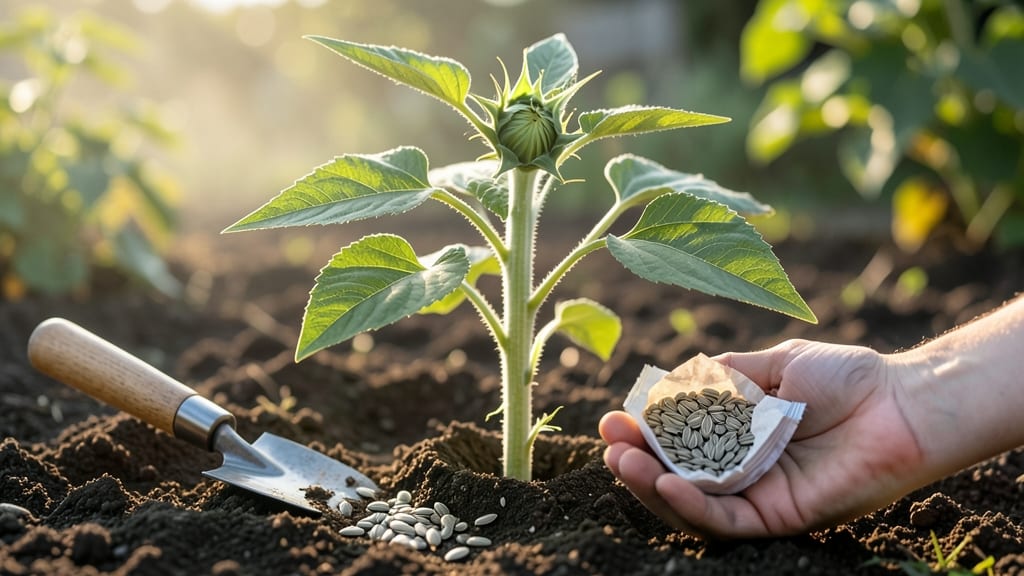
Sowing seeds at sunrise is the secret weapon behind my garden’s fastest germination—and it’s easier than you think. 🌱 The cooler morning air keeps seeds from drying out, while dew on the soil gives them a natural drink before the sun peaks.
I’ve seen seeds sprout in half the time when planted this way, even in hot climates like mine. Start with moist, loose soil—just a light watering the evening before works.
Space seeds according to their tags (crowding slows growth), and use a small board or ruler to keep rows straight. Morning planting also means fewer pests—slugs and birds are less active when the air is damp.
By midday, you’ll notice tiny shoots breaking through the soil, while afternoon-planted seeds often sit wilting under the heat. The difference is dramatic, especially for delicate seedlings like lettuce or basil. Works for spring, fall, and even winter sowing in mild zones.
Just check your local frost dates to time it right—morning planting gives seeds a head start before the real heat arrives.
📚 In This Guide
- What you need
- Instructions
- Tips and common mistakes
- Wrapping up and next steps
What you need
- ● Seeds: Choose fast-germinating varieties like radishes, lettuce, or beans (1–2 lbs, depending on your garden size). Opt for organic, non-GMO seeds for best results.
- ● High-quality potting soil or seed-starting mix: 5–10 gallons (sterilized and lightweight for easy seedling growth). Avoid garden soil—it’s too dense!
- ● Containers or seed trays: Biodegradable pots (50–100 count) or reusable plastic trays with drainage holes.
- ● Seedling flats (10"x20" or larger) for bulk planting.
- ● Watering can or spray bottle: With a fine mist nozzle to avoid disturbing seeds.
- ● Grow lights or sunny windowsill: A full-spectrum LED grow light (12–15 watts per sq. ft.) or a south-facing window (6+ hours of sunlight daily).
- ● Plant labels & markers: Waterproof labels (50–100 count) to track seed varieties.
- ● Hand trowel or planting stick: For gently pressing seeds into soil without crushing them.
- ● Glove set: Lightweight gardening gloves to protect your hands from soil and sharp edges.
- ○ Thermometer (optional but helpful): Soil thermometer to monitor ideal germination temps (60–75°F for most seeds).
- ● Humidity dome or plastic wrap: To retain moisture while seeds sprout (remove once germination starts!).
- ● Morning sunlight access: A spot where seeds can bask in direct sunlight for 4–6 hours after sunrise.
- ● Consistent watering schedule: Keep soil moist but not soggy—overwatering drowns seeds!
- ● Patience & observation: Germination times vary (3–14 days), so check daily for sprouts.
How to time seed sowing for faster germination
Start your seeds at sunrise for stronger roots and quicker sprouts—here's exactly how to do it right.
🌱 Step 1: Prep Seeds and Soil Before Sunrise
Fill your seed trays with moistened potting mix the night before. I like to water lightly in the evening so the soil is damp but not soggy by morning. The key is to avoid compacting the mix—just press down gently with your fingers until the surface feels firm. This ensures seeds make good contact with moist soil, which is critical for fast germination.
If your seeds need scarification or soaking (like some beans or peas), do that the night before too. Place them in a shallow dish of lukewarm water for 12 hours—this softens the seed coat and gives you a head start. Drain well before planting so they don't sit in waterlogged soil.
☀️ Step 2: Sow Seeds at First Light
Wait until the first golden rays of morning light appear before planting. I check my weather app for sunrise time and set an alarm—seeds sown within the first hour of daylight get a natural energy boost from photosynthesis almost immediately. The warmth of the rising sun helps kickstart germination faster than planting later in the day.
Make your planting holes with a pencil or seed dibber—just deep enough to cover the seeds with about ¼ inch of soil. I like to use a toothpick to mark where I've planted each seed so I don't accidentally double up. Water gently with a spray bottle right after planting to settle the soil around the seeds without disturbing them.
💧 Step 3: Maintain Consistent Moisture and Warmth
After sowing, cover your trays with clear plastic wrap or a humidity dome to trap warmth and moisture. The goal is to keep the soil temperature between 65-75°F—this is the sweet spot for most vegetable seeds. Place your trays on a heat mat if your home runs cooler than this, especially if you're planting in early spring or fall.
Check the soil moisture daily by sticking your finger in about ½ inch deep. You want it to feel like a damp sponge—not dripping wet, but not dry either. I've found that morning watering (right after sunrise) helps maintain this balance better than evening watering, which can lead to fungal issues overnight.
⏰ Step 4: Watch for Germination Signals
Most seeds will sprout within 3-10 days when planted at sunrise, depending on the variety. I keep a journal of my planting dates and expected germination times—this helps me track progress. The first sign is usually a tiny white root breaking through the seed coat, followed by the seedling pushing upward.
Once you see the first true leaves (not the initial seed leaves), remove any covers immediately. This prevents damping-off disease, which thrives in humid conditions. Place your seedlings in bright, indirect light for the first few days to help them strengthen before introducing direct sun.
🌿 Step 5: Harden Off for Outdoor Success
After your seedlings have 2-3 sets of true leaves, start hardening them off. Begin with just 1 hour of outdoor time in a sheltered spot on a mild morning. Gradually increase this time over 7-10 days
I always harden off in the morning because cooler temperatures are gentler on young plants. By the time they're ready for full sun, they'll be accustomed to the daily temperature swings. This morning routine builds resilience, so your transplants thrive after moving to the garden.
Tips & tricks for sunrise seed sowing success
Morning planting isn't just about timing—it's about creating the perfect conditions for seeds to wake up hungry. Here's what I've learned after years of experimenting with sunrise sowing to get those first sprouts popping faster.
The Light Factor: Position your seed trays near a south-facing window or under grow lights immediately after planting. The first hour of morning sunlight provides the energy seeds need to start photosynthesis right away, which kickstarts their growth. If you don't have good natural light, supplement with a simple LED grow bulb—just 4-6 hours of light after planting makes a noticeable difference in germination speed.
Soil Temperature Secret: That 65-75°F range in Step 3 isn't just a suggestion—it's the magic window where most seeds become active. I've found that placing seed trays on a seedling heat mat (set to 70°F) gives you that perfect environment even in cooler homes. For extra insurance, I wrap the bottom of trays with bubble wrap to retain warmth overnight, which helps maintain consistent temperatures during those critical first 24 hours.
Germination Journal Hack: Keep a simple log of your planting dates and expected sprouting times. I've noticed that seeds planted within the first 30 minutes of sunrise often sprout 1-2 days faster than those planted even just 2 hours later. The difference comes from that immediate light exposure—it's like giving your seeds a morning coffee to wake up their metabolic processes!
Harden Off Like a Pro: When you're increasing outdoor time in Step 5, I recommend doing it in the morning when temperatures are cooler. This gradual morning acclimation prevents transplant shock better than afternoon hardening. Start with just 15 minutes on day one (instead of the full hour) if your seedlings look sensitive—better to go slow and build resilience than risk stressing them.
Pro Tips for Sow Your Seed In The Morning
- Morning planting isn't just about timing—it's about creating the perfect conditions for seeds to wake up hungry.
- The Light Factor: Position your seed trays near a south-facing window or under grow lights immediately after planting.
- Soil Temperature Secret: That 65-75°F range in Step 3 isn't just a suggestion—it's the magic window where most seeds become active.
Frequently asked questions
Got questions about morning seed planting? You’re not alone!
Here are answers to the most common queries—from timing tips to troubleshooting tricks—so you can maximize your sunrise sowing success.
Why does planting seeds in the morning work better than other times?
Morning planting leverages cooler temperatures, reducing moisture loss and stress on seeds. The sunrise warmth kickstarts germination, while evening planting risks overnight temperature swings or dew-related rot. Plus, morning light ensures seeds get their first dose of photosynthesis early—giving them a head start!
What’s the best time of morning to plant seeds?
Aim for sunrise to 9 AM (local time) for optimal results. Avoid planting when the soil is still damp from dew (wait 1–2 hours after sunrise) or during heatwaves. Early morning soil is warm enough to activate enzymes but not scorching. Pro tip: Check your seed packet—some (like lettuce) prefer even cooler morning temps!
Can I use this method for all types of seeds, or are some better suited?
Most seeds benefit from morning planting, but large seeds (beans, peas, squash) and tender seedlings (tomatoes, peppers) thrive especially well. Delicate seeds like carrots or parsley may need extra shade midday if planted too early in hot climates. Always match your seed’s ideal germination temp (check the packet!) to your local morning conditions.
What if my morning soil is too dry or too wet?
Adjust with these fixes:
- Too dry: Water deeply the night before (but avoid soggy soil). Use a spray bottle to mist seeds if planting in dry beds.
- Too wet: Wait for excess moisture to evaporate (1–3 days) or plant in raised beds/dry soil patches. Add compost to improve drainage.
Does this method work in all climates, or just warm ones?
Yes! Adapt it to your zone:
- Cold climates: Use black plastic mulch or cold frames to warm soil. Plant hardy seeds (kale, spinach) in late spring mornings.
- Hot climates: Sow seeds in shade cloth or water deeply post-planting to cool soil. Avoid midday sun exposure for 3–5 days.
- Temperate zones: Morning planting is ideal year-round for most veggies.
Wrapping up and next steps
Sowing your seeds at sunrise isn’t just a gardening trick—it’s a powerful way to unlock faster germination and healthier plants. By leveraging nature’s rhythm, you’re giving your seeds the best possible start, no matter your green thumb level. 🌱✨
Ready to try it? Start small—pick one or two seeds, test the morning method, and watch the magic unfold. Before you know it, you’ll be harvesting confidence (and veggies!) like a pro. Grab your seeds and get growing today!