
Planting
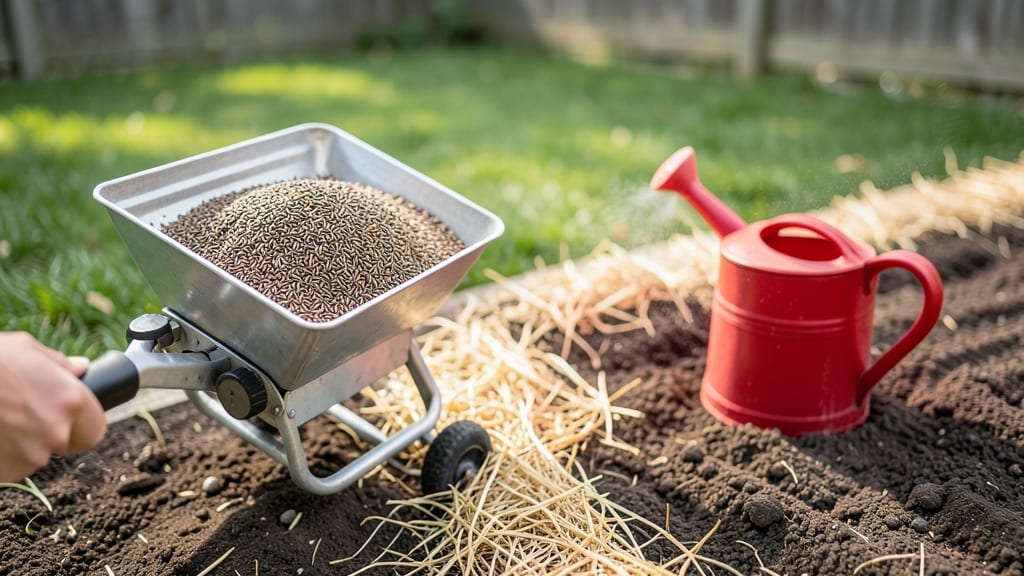
Sowing grass seed in fall is the secret weapon for growing a lawn that makes neighbors stop and stare. 🌱 The cooler temperatures and consistent moisture give grass seed the perfect conditions to establish deep roots before winter hits—something spring planting just can't match. I learned this the hard way after my first spring seeding attempt left patchy, weak grass that struggled through summer. The difference? Fall seeding gives you a head start, with seeds germinating before winter dormancy. You'll see thick, uniform growth by next spring, and the roots develop strong enough to handle heat and drought. The process is straightforward: prep your soil, choose the right seed mix for your climate, and keep it moist for the first few weeks. No fancy equipment needed—just a rake, some patience, and the right timing. Works best in USDA zones 3-8, but even in warmer climates, fall seeding can outperform spring. Here's how to make it work for your yard.
📚 In This Guide
- What you need
- Instructions
- Tips and common mistakes
- Wrapping up and next steps
What you need
- ● Grass seed: Choose a high-quality, cool-season variety (e.g., Kentucky bluegrass, fescue, or ryegrass). Quantity depends on your lawn size—aim for 5–12 lbs per 1,000 sq ft (check the seed bag for exact rates).
- ● Lawn rake or dethatcher: A stiff-bristled rake (or a mechanical dethatcher) to loosen soil and remove debris. Pro tip: 💡 Rent one if your lawn is large!
- ○ Broadcast spreader: For even seed distribution. Optional: A hand-held spreader works for small areas.
- ● Soil amendment: Compost or a starter fertilizer (e.g., 10-10-10 or 12-12-12) to boost nutrients. Apply ½ lb of nitrogen per 1,000 sq ft.
- ● Water source: A hose with a gentle sprinkler head (or a watering wand) for light, frequent watering.
- ○ Mulching hay or straw: A ¼-inch layer to protect seeds from birds and erosion (optional but helpful in windy areas).
- ● Soil test kit: Check pH and nutrient levels (ideal pH for cool-season grass: 6.0–7.0).
- ● Lawn roller: Lightly compact soil after seeding for better seed-to-soil contact.
- ● Bird netting: Temporary protection if squirrels or birds are seed thieves!
- ● Lawn seed mat: Biodegradable mesh to hold seeds in place during germination.
How to sow grass seed in fall for a thick, green lawn
Fall is the perfect time to plant cool-season grass—here’s how to do it right for strong roots and vibrant growth.
🌱 Step 1: Prepare the Soil for Ideal Seed Contact
Start by mowing your lawn as short as possible—about ½ inch—to create a clean surface for seed-to-soil contact. Remove any thatch (that spongy layer between grass and soil) by raking or dethatching, as thick thatch blocks seed from reaching the soil. I use a stiff-bristled rake to loosen the top ¼ inch of soil, creating a rough texture that helps seeds nestle in securely.
Test your soil’s pH with a kit—cool-season grasses like fescue and ryegrass thrive in 6.0 to 7.0. If your soil is too acidic, spread lime according to package instructions 4-6 weeks before sowing. The goal is to give seeds a nutrient-rich foundation where they can germinate easily.
💧 Step 2: Choose the Right Seed and Spread Evenly
Pick a cool-season grass seed blend suited to your climate—tall fescue for durability, fine fescue for shade, or a mix of both. For a 4,000-square-foot lawn, you’ll need about 8-12 pounds of seed. I scatter seed by hand for small areas, but for larger spaces, use a broadcast spreader set to the recommended setting on the seed bag.
Walk in two perpendicular directions to ensure even coverage—no bare spots or thick patches. Lightly rake the area again to press seeds into the soil without burying them. Seeds need ¼ inch of soil contact to germinate, but deeper planting slows them down. If birds are a problem, cover the area with straw mulch (about ¼ inch thick) to hold seeds in place.
☀️ Step 3: Water Gently and Consistently for Germination
Water immediately after sowing to settle seeds into the soil. For the first 2 weeks, keep the top 1 inch of soil moist—like a wrung-out sponge. Use a gentle sprinkler or hose with a fine mist setting to avoid washing seeds away. I water in the early morning to reduce evaporation and fungal risks. Overwatering now causes seeds to rot, while underwatering leaves them dry and dormant.
Once seedlings appear (usually 7-14 days), reduce watering slightly but keep the soil moist. You’ll know you’re doing it right when grass blades are 1-2 inches tall and uniformly green. Avoid heavy foot traffic until seedlings are 3-4 inches tall—they’re delicate and easily damaged.
✂️ Step 4: Maintain and Encourage Strong Root Growth
After 4-6 weeks, when new grass reaches 3-4 inches, mow with a sharp blade set to 2-3 inches—never remove more than ⅓ of the blade height at once. This strengthens roots and prevents scalping. Fertilize with a slow-release, cool-season formula (like 20-0-5) to support root development without burning tender new growth.
Fall-sown grass should establish fully by early winter, giving it a head start for spring. If frost arrives before germination, seeds will wait patiently until conditions improve—just keep the soil slightly moist through winter. By next summer, you’ll have a thick, lush lawn that outcompetes weeds naturally.
Tips & tricks for perfect fall grass seed planting
Took me years of trial and error to learn these tricks—your lawn will thank you for skipping the mistakes I made.
Soil Prep Secret: In Step 1, when loosening the top ¼ inch of soil, focus on creating tiny grooves rather than smooth surface. This creates micro-catchments that hold seeds and moisture. I use a garden fork to gently aerate compacted areas first—it makes all the difference for seed contact. The rough texture helps seeds nestle just right, while smooth soil causes them to roll away.
Seed Selection Tip: For Step 2, don't just grab any seed blend. Look for labels that mention "fall planting" or "cool-season" specifically. I've found that blends with at least 20% perennial ryegrass germinate fastest in fall conditions. If your lawn gets afternoon shade, ask for a shade-tolerant mix—regular grass won't establish well in those spots. The right seed makes all the difference in how quickly your lawn fills in.
Watering Strategy: During the critical 2-week germination period in Step 3, I set a timer for my sprinkler to run for 15 minutes every morning. This ensures consistent moisture without overwatering. The key is keeping that top inch of soil damp like a wrung-out sponge—never soggy. If you see water pooling, reduce your watering time slightly. Morning watering also prevents fungal growth that can smother new seedlings.
Bird Protection Hack: After spreading seed in Step 2, I cover the area with a lightweight landscape fabric instead of straw mulch. Birds can't peck through it, and it lets water penetrate while holding seeds in place. Remove it once you see sprouts emerging—usually around day 7. This simple step saved me from having to reseed entire patches after birds ate my first attempts.
Pro Tips for Sowing Grass Seed In Fall
- Took me years of trial and error to learn these tricks—your lawn will thank you for skipping the mistakes I made.
- Soil Prep Secret: In Step 1, when loosening the top ¼ inch of soil, focus on creating tiny grooves rather than smooth surface.
- Seed Selection Tip: For Step 2, don't just grab any seed blend.
Frequently asked questions
Got questions about sowing grass seed in fall? You're not alone! Here are some of the most common concerns—and their answers—to help you achieve that lush, green lawn.
What’s the best time to sow grass seed in the fall?
The ideal window is 4-6 weeks before your first hard frost (typically late August to early October in most U.S. zones). This gives seeds time to germinate and establish roots before winter slows growth. Check your local frost dates for precision!
How long does it take for grass seed to grow in the fall?
Germination usually takes 7–21 days, depending on temperature, moisture, and seed type. Cool-season grasses (like fescue or rye) sprout faster in fall’s mild weather. Expect visible growth in 3–4 weeks, with full coverage in 6–8 weeks if conditions are ideal.
Do I need to water grass seed every day in the fall?
Yes! Keep soil consistently moist (not soggy) for the first 2–3 weeks—water lightly 2x daily (morning and evening). Once seedlings are 2–3 inches tall, reduce to 1 inch per week. A sprinkler with a gentle mist setting works best.
Can I overseed an existing lawn in the fall?
Fall is perfect for overseeding. Mow your lawn short, dethatch if needed, and rake to loosen soil. Spread seed evenly, then water thoroughly. This fills thin spots and boosts density—just avoid heavy foot traffic for 2–3 weeks.
What if birds or squirrels eat my grass seed?
Use a light straw or erosion control blanket to protect seeds until germination. For stubborn critters, try birdseed or corn as a distraction nearby. A quick check after sowing can also help spot (and deter) hungry visitors!
Wrapping up and next steps
Fall is the perfect time to sow cool-season grass seed for a lush, resilient lawn—just follow these steps for success! 🌱 By preparing your soil, choosing the right seed, and maintaining proper care, you’ll set the stage for vibrant growth come spring. Don’t wait—your future lawn will thank you!
🌟 Ready to Get Started?
Now that you’re armed with the know-how, take the next step: mark your calendar for early fall planting (before the first hard frost) and gather your supplies. Watch your lawn transform into the envy of the neighborhood—one seed at a time! 🌿