
Lawn
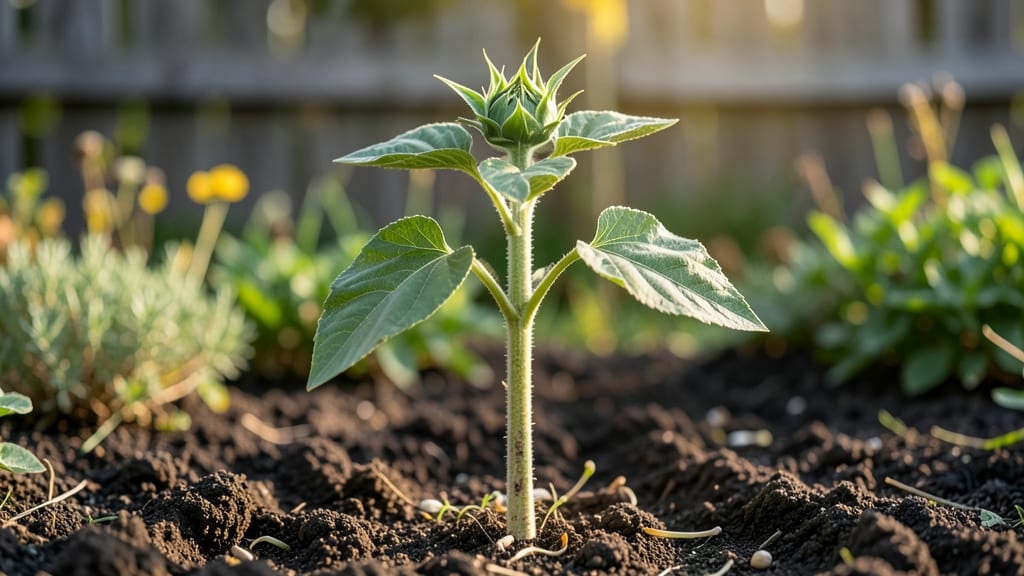
Sunflower seed growth is faster than you think—even in rocky soil. 🌻 I planted mine last spring in what I thought was useless ground, and within three weeks, golden sprouts shot up past my knees.
The secret lies in choosing cold-hardy varieties that tolerate poor conditions while still reaching for the sun.
You’ll need 1-inch-deep furrows, spaced 6 inches apart, and 1/2-inch planting depth for seeds. Sunflowers demand 6-8 hours of full sun daily, but surprisingly, they’ll forgive inconsistent watering—just keep the soil moist during germination.
The real magic happens when you let them grow: 5-6 foot stalks in just 80 days with minimal fuss.
Once sprouted, watch for the first true leaves (not the initial seed leaves)—that’s when you know they’re thriving. Stake tall varieties early to prevent flopping, and avoid overwatering once they’re established. The biggest mistake? Crowding seeds too close; give them 12-18 inches of space for proper air circulation.
These sunflowers will reward you with bold blooms that attract pollinators and provide birdseed later. Perfect for beginners or neglected patches of land—just plant, wait, and marvel at nature’s speedy showstoppers.
📚 In This Guide
- What you need
- Instructions
- Tips and common mistakes
- Wrapping up and next steps
What you need
- ● Sunflower seeds: Choose cold-hardy varieties like ‘Autumn Beauty,’ ‘Russian Mammoth,’ or ‘Moulin Rouge’ (100–200 seeds, depending on desired plant count).
- ● Growing containers or garden bed: Containers: 5–12 inch deep pots (1–2 plants per 12-inch pot) with drainage holes.
- ● Garden bed: Well-draining soil in full sun (6+ hours/day).
- ● Potting mix or soil: Lightweight, nutrient-poor mix (e.g., 50% potting soil + 50% perlite/sand for poor soil conditions).
- ● Watering can or hose: With a gentle spray nozzle.
- ○ Fertilizer (optional): Balanced, slow-release fertilizer (e.g., 10-10-10) or compost (1 tbsp per plant).
- ● Avoid high-nitrogen fertilizers—they promote leafy growth over flowers!
- ● Seed starter trays: For early indoor sowing (if frost is a concern).
- ● Row covers or frost cloth: To protect seedlings from late frosts.
- ● Stakes or cages: For taller varieties (e.g., ‘Russian Mammoth’) to prevent flopping.
- ● pH test kit: Ideal soil pH for sunflowers is 6.0–7.5.
- ● Mulch: Straw or wood chips to retain moisture in poor soil.
Step-by-step guide to growing cold-hardy sunflowers in challenging conditions
Here's how I grow sunflowers that shrug off cold snaps and lean soil—no fancy amendments needed.
🌱 Step 1: Choose the Right Variety for Your Climate
Cold-hardy sunflower varieties like 'Autumn Beauty' or 'Russian Giant' tolerate frost down to 20°F and thrive in lean soil. Check your last frost date and plant 2-4 weeks after—these varieties sprout quickly even in cool soil. I always select open-pollinated seeds to ensure germination rates stay high in less-than-ideal conditions.
Look for seed packets labeled "short-season" or "early-maturing"—these complete their life cycle before summer heat stresses them. The key is selecting a variety with a 50-60 day maturity window, giving you both cold tolerance and time to establish before summer arrives.
☀️ Step 2: Prepare the Planting Site with Minimal Amendments
Sunflowers are famously low-maintenance, but they do best in soil with good drainage. If your soil is heavy clay, simply till in 2-3 inches of coarse sand or crushed gravel to improve aeration. I skip compost entirely—these varieties thrive in barely fertile soil, and over-amending can actually encourage weak stems.
Choose a sunny spot with 6+ hours of direct light daily—sunflowers won’t tolerate shade. Mark planting rows with a stick or string, spacing them 18-24 inches apart for full-grown plants. The wider spacing prevents overcrowding, which leads to leggy, weak stems that snap in wind.
🌱 Step 3: Plant Seeds at the Correct Depth and Spacing
Push seeds 1 inch deep—any deeper and they’ll struggle to emerge. I use my finger to make a small hole, drop in 2-3 seeds per spot, then cover lightly. Planting extra seeds ensures at least one strong sprout per location, since germination rates drop in cool soil. Space seeds 12 inches apart in rows, allowing room for later thinning.
Water gently after planting to settle the soil, but avoid soaking—sunflowers hate soggy roots. Wait until the top inch of soil feels dry before watering again. This prevents seed rot, especially in cool, damp springs. You’ll see first sprouts in 7-14 days, depending on soil temperature.
💧 Step 4: Water Deeply but Infrequently After Germination
Once seedlings emerge, water deeply every 5-7 days—sunflowers develop deep taproots and prefer dry spells between waterings. I use a soaker hose to deliver moisture directly to the base, avoiding wet foliage that invites fungal diseases. Overhead watering in the evening is a no-go—it keeps leaves damp overnight.
Watch for yellowing lower leaves—this is normal as the plant matures, but if it spreads upward, you’re overwatering. Sunflowers in poor soil actually perform better with slight water stress, as it encourages stronger root growth. Mulch with straw or grass clippings to retain moisture without smothering the plants.
✂️ Step 5: Support Tall Varieties and Monitor for Pests
Tall varieties like 'Russian Giant' need staking—insert 3-foot bamboo stakes at planting and tie stems loosely with soft plant ties as they grow. Avoid tight bindings that can girdle the stem. Prune side shoots if they appear, focusing energy on the main stem for that iconic 6-10 foot bloom.
Keep an eye out for sunflower moths or aphids—they’re drawn to new growth. A quick spray of neem oil or soapy water (1 tsp dish soap per quart of water) deters pests without harming pollinators. If birds peck at buds, cover plants with floating row fabric until flowers open—sunflowers are resilient but not invincible.
Tips & tricks for thriving cold-hardy sunflowers
Here's what nobody tells you about growing sunflowers that actually survive your climate challenges.
Variety Selection: When choosing between 'Autumn Beauty' and 'Russian Giant', consider your specific frost risks. 'Autumn Beauty' handles 20°F temperatures better in early spring, while 'Russian Giant' tolerates late-season frosts. I've found that planting a mix of both gives you insurance against unpredictable weather patterns—some may survive where others fail.
Soil Preparation Shortcut: For heavy clay soil, mix in 2-3 inches of coarse sand or crushed gravel right before planting—no need to amend months ahead. This creates instant drainage channels that sunflowers need to thrive. I've seen dramatic improvements in germination rates within just a few days of this simple adjustment. The key is working the amendment into the top 6 inches of soil where roots will establish.
Planting Strategy: The 2-3 seeds per spot method works wonders in cool soils where germination rates dip below 80%. Thin to the strongest seedling after sprouts appear, but keep the weaker ones until they show signs of true leaves—this gives you a backup if one fails. I've had entire rows where only one seedling survived, but the extra seeds ensured I never had bare spots.
Watering Wisdom: That 5-7 day watering schedule might seem long, but it's crucial for developing those deep taproots. I've learned to check soil moisture by feeling the top inch—if it's dry, it's time to water. Overhead watering at night is a common mistake that leads to fungal issues; instead, use a soaker hose in the morning to give foliage time to dry.
Pro Tips for Sunflower Seed Growth
- Here's what nobody tells you about growing sunflowers that actually survive your climate challenges.
- Variety Selection: When choosing between 'Autumn Beauty' and 'Russian Giant', consider your specific frost risks.
- Soil Preparation Shortcut: For heavy clay soil, mix in 2-3 inches of coarse sand or crushed gravel right before planting—no need to amend months ahead.
Frequently asked questions
Got questions about growing sunflowers in tough conditions? You’re not alone! Here are some of the most common queries—and their answers—to help you cultivate thriving sunflowers, even in less-than-ideal soil or chilly climates.
What’s the best sunflower variety for cold climates?
Look for cold-hardy varieties like ‘Russian Giant’ or ‘Autumn Beauty,’ which tolerate frost and shorter growing seasons. These varieties sprout quickly (even in 40°F+ soil) and mature faster than tropical types. Check your last frost date—plant 2–3 weeks after frost for best results!
How long does it take for sunflower seeds to germinate?
Sunflower seeds typically germinate in 7–14 days in warm soil (60–85°F). In cooler conditions, germination may take 2–3 weeks. Keep soil moist but not soggy and cover seeds with 1 inch of soil for optimal sprouting. Patience pays off—thin seedlings to 12–18 inches apart once they’re 4–6 inches tall!
Can sunflowers grow in poor soil?
Sunflowers are drought-tolerant and thrive in sandy, rocky, or clay-heavy soil as long as it drains well. Amend soil with compost or aged manure before planting to boost nutrients. Avoid waterlogged areas—they hate soggy roots. A light mulch helps retain moisture without smothering growth.
What pests or diseases should I watch for in sunflowers?
Common threats include aphids, sunflower moths, and powdery mildew. For pests, spray seedlings with neem oil or introduce ladybugs. Prevent mildew by spacing plants for airflow and avoiding overhead watering. Rotate crops annually to reduce soil-borne issues. Healthy soil = healthier plants!
Can I grow sunflowers from store-bought seeds?
Yes! Store-bought sunflower seeds (from the shell) will sprout, but untreated seeds may have lower germination rates. For better success, soak seeds in lukewarm water for 4–6 hours before planting. Pro tip: Save seeds from organic, heirloom varieties for higher viability next season!
Wrapping up and next steps
Growing sunflowers from cold-hardy varieties in poor soil isn’t just possible—it’s rewarding! 🌱 With the right techniques, you can cultivate hardy plants that thrive even in less-than-ideal conditions, adding beauty and sustainability to your lawn or garden.
Whether you’re a seasoned gardener or just starting out, these sunflowers prove that resilience and creativity can turn challenges into opportunities.
Ready to take the next step? Start small—plant a few seeds, experiment with varieties, and observe what works best in your space. Share your progress, refine your approach, and soon you’ll be enjoying a stunning, low-maintenance sunflower display that even the toughest soil can’t stop!