
Lawn
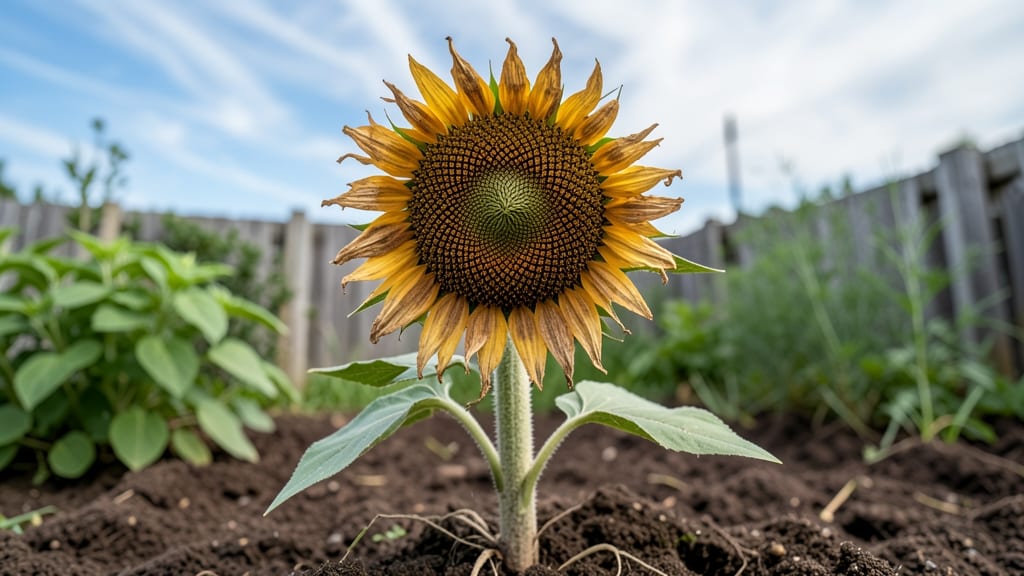
Storing sunflower seed heads for next year’s garden starts with knowing exactly when they’re ready. ✨ The moment those brown, papery petals fall away and the seed head turns a deep, rich brown—like a sun-bleached oak—is your cue to act.
I’ve saved seeds from my tallest varieties for years, and the secret isn’t just timing but handling them gently to preserve germination.
Harvest on a dry morning after the first frost when the seed heads are fully mature but still intact. Cut stems with a sharp knife, leaving a few inches attached to make drying easier.
Hang them upside down in a well-ventilated spot, like a garage or shed, where they’ll dry completely in 2-3 weeks. The key is patience—rushing leads to mold or seeds that won’t sprout.
Once dry, rub the seed heads between your hands to release the seeds, then winnow out debris with a fan or by tossing them in a bucket of water (good seeds sink, chaff floats).
Store the clean seeds in a paper envelope in a cool, dark place, and you’ll have fresh sunflowers blooming again in just 90 days. The satisfaction of growing from saved seeds? Unmatched.
This method works for all sunflower varieties, from towering giants to petite dwarfs. Just remember: if birds or squirrels get to them first, you’ll need to harvest faster—or set up a temporary bird feeder nearby to distract them. Either way, you’ll end up with seeds ready for planting next spring.
📚 In This Guide
- What you need
- Instructions
- Tips and common mistakes
- Wrapping up and next steps
What you need
- ● Mature sunflowers: 3–5 fully bloomed sunflowers (let them dry naturally on the stalk for 2–3 weeks after flowering).
- ● Pruning shears or sharp scissors: 1 pair (sterilized to avoid disease transfer).
- ● Brown paper bags or breathable mesh sacks: 3–5 medium-sized bags (1 per sunflower head).
- ● Newspaper or cardboard: Enough to line a drying tray or flat surface.
- ● Twine or rubber bands: For securing seed heads during drying.
- ● Glass jars or airtight containers: 3–5 jars (quart-sized or larger) with lids for long-term storage.
- ● Labeling tags or masking tape + marker: To track varieties and harvest dates.
- ● Dehydrator: For faster drying (set to 135°F/57°C for 2–4 hours).
- ● Fan or well-ventilated area: To speed up air drying.
- ● Fine-mesh sieve: For removing debris before storage.
- ● Humidity absorber (e.g., silica gel packets): To prevent moisture in storage jars.
- ● Garden journal: To note sunflower varieties and growing conditions.
Step-by-Step guide to harvesting, drying, and storing sunflower seed heads
Here's how I save seeds from my sunflowers—simple, reliable, and perfect for next year's garden.
🌱 Step 1: Harvest Mature Seed Heads at the Right Time
Wait until the back of the seed head turns completely brown and the petals have fallen off naturally. You'll see the heads droop slightly—this signals maturity. Grab the stem with one hand and give it a firm twist to detach the head cleanly from the plant. If it resists, use pruning shears to cut about 2 inches down the stem.
I always harvest on a dry morning after the dew has evaporated. Wet seed heads take much longer to dry properly and can develop mold. Lay the harvested heads on a clean, dry surface like newspaper or a mesh screen to air out for 1 hour before bringing them inside.
☀️ Step 2: Dry Seed Heads Thoroughly Indoors
Hang the seed heads upside down in a dry, well-ventilated area with good airflow. I use a dark closet or a room with indirect light—direct sun can overheat the seeds. A simple method is to tie a string around the stem and hang it from a hook or nail. This keeps the seeds contained while allowing air to circulate freely.
Drying takes 1-2 weeks, depending on your home's humidity. You'll know they're ready when the seed cases (the small brown pods) rattle when shaken gently. If they don't rattle after 2 weeks, move them to a warmer spot or use a small fan to increase airflow.
✂️ Step 3: Remove Seeds from the Heads
Once completely dry, place the seed head in a paper bag and seal it tightly. Shake vigorously for 30 seconds to dislodge the seeds. The empty seed cases will stay in the bag while the heavier seeds fall to the bottom. Open the bag and pour the seeds onto a clean surface to separate any remaining debris.
For stubborn seeds, rub the head between your hands over the bag—this ensures you capture every seed. I like to spread them out on a baking sheet and let them sit for another 24 hours to dry completely. This extra step prevents mold during storage.
🪴 Step 4: Store Seeds Properly for Next Year
Transfer the fully dried seeds into an airtight container like a glass jar or plastic bag with a zipper seal. Label the container with the sunflower variety and the year harvested. Store in a cool, dark place like a pantry or refrigerator—ideal conditions are 35-40°F and low humidity.
Seeds stored this way stay viable for 3-5 years. Check them annually: if they smell musty or develop moisture, transfer them to a fresh container. I always test a few seeds by planting them in spring—they should germinate just like fresh seeds if stored correctly.
Tips & tricks for perfect sunflower seed head preservation
Here's what nobody tells you about making sure your sunflower seeds stay viable for years.
Harvest Timing Secret: The 1-hour air-out period in Step 1 is non-negotiable for preventing mold. I've learned this the hard way after storing damp seeds that turned musty within weeks. If you're harvesting in humid conditions, extend this to 2-3 hours to ensure complete dryness before bringing them inside. Look for seed heads where the back is fully brown and petals have fallen naturally—this ensures maximum seed maturity and viability.
Drying Strategy: The 1-2 week drying time in Step 2 can be tricky in humid climates. If your home feels damp, place a small fan near the hanging seed heads to create gentle airflow. I've found that positioning them in a closet with a dehumidifier running nearby cuts drying time by nearly half. The key is that gentle rattling sound—when the seed cases make noise when shaken, you're good to go. If they don't rattle after 2 weeks, don't rush it—overly moist seeds will still develop mold during storage.
Seed Extraction Hack: That 30-second shake in Step 3 might not get all the seeds—especially from larger varieties. After shaking, turn the paper bag upside down and give it a firm tap against your palm. This dislodges any seeds clinging to the top. For extra stubborn seeds, place the head in a clean pillowcase and gently beat it with a wooden spoon over a tray. This captures every last seed without damaging them.
Storage Wisdom: The 35-40°F storage temperature in Step 4 is ideal, but your average home fridge (around 38°F) works perfectly. If you don't have a cool pantry, use the crisper drawer of your refrigerator for the best conditions. I always add a small packet of silica gel to my seed storage containers—it absorbs any residual moisture that might develop over time. Labeling with both the variety and year harvested saves headaches when you're ready to plant next spring.
Pro Tips for Sunflower Seed Head
- Here's what nobody tells you about making sure your sunflower seeds stay viable for years.
- Harvest Timing Secret: The 1-hour air-out period in Step 1 is non-negotiable for preventing mold.
- Drying Strategy: The 1-2 week drying time in Step 2 can be tricky in humid climates.
Frequently asked questions
Got questions about harvesting, drying, or storing sunflower seed heads? You’re not alone! Here are some of the most common queries—and their answers—to help you master the process like a pro.
What’s the best time to harvest sunflower seed heads?
Harvest when the back of the seed head turns yellow-brown and the seeds rattle inside when shaken. This usually happens 4-6 weeks after flowering (late summer to early fall). Avoid harvesting if birds or squirrels have already feasted—you’ll be left with empty shells!
How long does it take for sunflower seed heads to dry completely?
Drying takes 2-4 weeks indoors, depending on humidity. Hang heads upside down in a cool, dry, well-ventilated spot (like a garage or shed). Check weekly: seeds are ready when they’re hard and dark with no moisture. Pro tip: Use a dehydrator (set to 95°F) for faster results!
Can I store sunflower seed heads outside over winter?
Nope! Outdoor storage risks moisture, mold, or pests. Instead, store dried heads in paper bags or breathable fabric sacks in a cool (50-60°F), dark place like a basement or pantry. Add a silica gel packet to prevent humidity buys. Seeds stay viable for 1-2 years if stored properly.
What if my sunflower seed heads mold or get bugs?
Mold or pests? Toss ‘em—no saving! To prevent issues:
- Harvest early if rain is forecasted.
- Inspect heads weekly for critters (like weevils).
- Freeze heads for 48 hours to kill eggs before drying.
Are there sunflower varieties better for seed saving?
Yes! Open-pollinated varieties (like ‘Russian Giant’ or ‘Autumn Beauty’) are ideal. Avoid hybrids—their seeds won’t grow true to type. For guaranteed success, choose non-GMO, heirloom seeds from reputable sellers. Bonus: These varieties often have larger, easier-to-harvest seed heads!
Wrapping up and next steps
From harvesting your sunflower seed heads to drying and storing them for next year’s garden, you’ve now got the know-how to keep the cycle of growth alive! 🌻 Whether you’re saving seeds for sentimental reasons, sustainability, or simply to enjoy fresh blooms again, your efforts will pay off in vibrant, healthy sunflowers. Next up? Grab those dried seed heads, plant them in the spring, and watch your garden come to life with a splash of golden sunshine!
- Pro tip: Label your seed packets now—future you will thank you! 📝