
Lawn
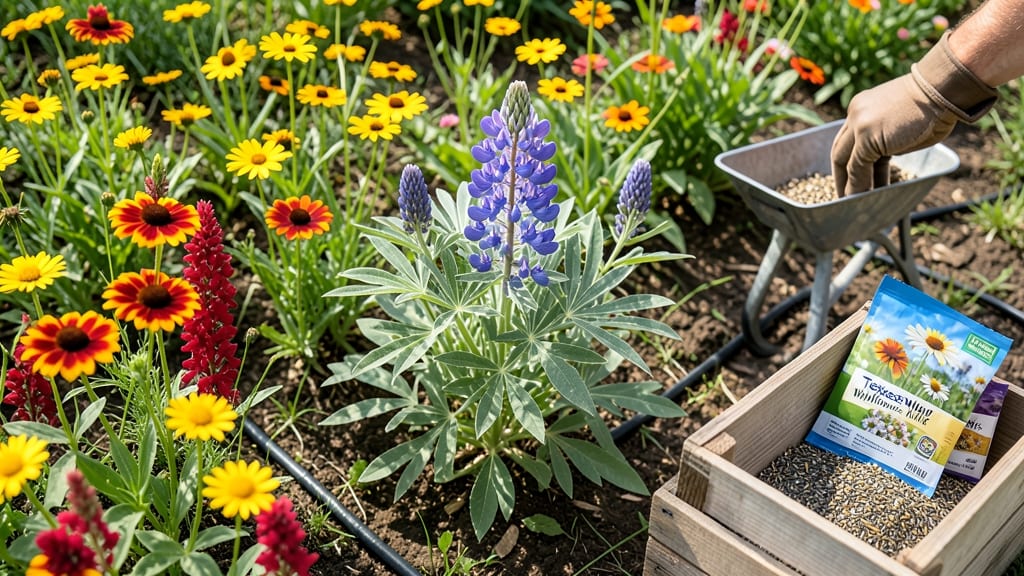
A Texas wildflower seed mix transforms your yard into a buzzing, blooming paradise that hummingbirds and butterflies can't resist. 🌸 I planted mine last fall, and by spring, the yard was a riot of color—bluebonnets, winecups, and black-eyed Susans—while my neighbor's lawn stayed green and lifeless.
The secret isn't just the seeds; it's the right timing, soil prep, and a little patience to let nature take over.
You'll need well-draining soil (Texas clay? Don't worry, we'll fix that), a sunny spot with at least 6 hours of direct light daily, and minimal fuss after planting.
The best time to sow is late fall or early spring when temperatures are mild—avoid summer heat, which can bake seeds before they sprout. Most mixes include drought-tolerant natives that thrive once established, cutting your watering needs by half.
Within 4-6 weeks, you'll see the first delicate sprouts pushing through the soil, followed by blooms that last from February through November. The pollinators will notice first—bees, butterflies, and hummingbirds will turn your yard into their favorite stopover.
Plus, these wildflowers spread naturally, reducing weeds and creating a self-sustaining ecosystem.
Whether you're reviving a patch of dead grass or adding color to a new landscape, this mix works in urban yards, rural fields, or even container gardens.
The key is letting the flowers do the heavy lifting—once they're established, they'll outcompete weeds and keep blooming year after year with almost no effort from you.
📚 In This Guide
- What you need
- Instructions
- Tips and common mistakes
- Wrapping up and next steps
What you need
- ● Texas Wildflower Seed Mix – 1–5 lbs per 100 sq. ft. (Choose a native blend like Bluebonnet, Indian Paintbrush, or Black-Eyed Susan for best results).
- ● Preparation Soil – Loose, well-draining topsoil or compost-amended soil (avoid heavy clay unless amended).
- ● Rake – A bow rake (for smoothing soil) or garden rake (for seedbed prep).
- ● Hoe or Broadcast Spreader – For even seed distribution (manual or hand-crank spreader for larger areas).
- ● Water Source – Hose with gentle spray nozzle or drip irrigation system (critical for the first 2–4 weeks).
- ○ Mulch or Straw – Optional but helpful: Lightweight mulch (e.g., straw or pine needles) to retain moisture and deter erosion.
- ● Seedling Tray or Nursery Pots – For pre-germination (if starting indoors).
- ● Soil pH Test Kit – Ensures your soil’s 6.0–7.5 pH range (ideal for most Texas wildflowers).
- ● Bird Netting – Temporary protection from seed-eating birds during germination.
- ● Garden Gloves – For comfort while handling soil and seeds.
- ● Label Stakes – To mark planting areas (especially useful in larger plots).
Step-by-Step guide to planting your Texas wildflower seed mix
Here's how to create a thriving pollinator haven with minimal fuss—just follow these simple steps.
🌱 Step 1: Prepare the Planting Site for Success
Choose a sunny location with 6+ hours of direct sun daily—most Texas wildflowers thrive in full sun but tolerate light shade. Clear the area of weeds and debris, then loosen the top 4-6 inches of soil with a rake or tiller. This ensures good seed-to-soil contact for germination.
If your soil is heavy clay (common in Texas), mix in 2-3 inches of compost to improve drainage and nutrient availability. I like to spread a thin layer of compost first, then lightly scratch it into the topsoil. This prevents compaction while adding organic matter that wildflowers love.
💧 Step 2: Scatter Seeds Evenly for Natural Beauty
Scatter the seeds by hand—there's no need for precision planting. Aim for about 1/4 pound of seed per 1,000 square feet for a lush display. Lightly press the seeds into the soil with your hand or a rake to ensure good contact, but don't bury them deeper than 1/4 inch.
For larger areas, use a broadcast spreader set to its lowest setting. Walk in two perpendicular directions to ensure even coverage. After scattering, gently rake the soil surface to create a fine, textured bed that helps seeds settle without being buried too deeply.
☀️ Step 3: Water Gently and Maintain Moisture
Keep the soil consistently moist but never soggy during the first 4-6 weeks of growth. Water lightly every 2-3 days until seedlings appear, then gradually reduce frequency as plants establish. You'll know moisture is right when the top inch of soil feels damp but not wet.
Once seedlings reach 2-3 inches tall, reduce watering to once a week or when rainfall doesn't provide 1 inch of moisture. Texas wildflowers are drought-tolerant once established, but consistent moisture during germination is critical. Avoid overhead watering to prevent fungal diseases.
✂️ Step 4: Let Nature Take Over (Minimal Maintenance)
Resist the urge to thin seedlings—wildflowers grow best when left to their own devices. Once plants reach 6-8 inches tall, you can lightly deadhead spent blooms to encourage continuous flowering. This simple step extends the bloom season from spring through fall.
After the first year, wildflowers will self-seed prolifically, creating a permanent meadow. In late winter or early spring, you can mow back any dead growth to about 3 inches tall to promote fresh new growth. This also prevents woody plants from taking over your wildflower patch.
Tips & tricks for planting your Texas wildflower mix
Creating a thriving pollinator garden starts with these pro moves that'll give your wildflowers the best possible start.
Soil Prep Secret: In Step 1, don't just loosen the soil—break up any large clods and create a fine, crumbly texture. This helps seeds make better contact with moisture, which is especially important during those critical first 4-6 weeks. For clay-heavy Texas soil, work in compost while the soil is still slightly damp to help it integrate more evenly.
Seed Distribution Technique: When scattering seeds in Step 2, use the "walking crisscross" method: first pass north-south, then east-west with your broadcast spreader. This ensures even coverage without gaps. For small areas, try the "pinch method"—take a small handful of seeds and let them sift through your fingers as you walk, creating a natural, uneven distribution that mimics nature.
Watering Wisdom: During the 4-6 week germination period in Step 3, water in the early morning so the soil has all day to dry slightly before evening. This prevents fungal growth while keeping roots moist. A simple soil moisture meter (or even your finger) works better than guessing—aim for dampness about 1 inch deep. Once seedlings hit 2-3 inches, let the soil dry slightly between waterings to strengthen root development.
Maintenance Mindset: In Step 4, when deadheading spent blooms, focus on removing only the faded flowers—not the entire stem. This encourages more blooms to develop lower on the plant. And that late-winter mow? Time it right after the first hard frost when new growth is just starting—this gives your wildflowers a fresh start without disturbing dormant seeds.
Pro Tips for Texas Wildflower Seed Mix
- Creating a thriving pollinator garden starts with these pro moves that'll give your wildflowers the best possible start.
- Soil Prep Secret: In Step 1, don't just loosen the soil—break up any large clods and create a fine, crumbly texture.
- Seed Distribution Technique: When scattering seeds in Step 2, use the "walking crisscross" method: first pass north-south, then east-west with your broadcast spreader.
Frequently asked questions
When is the best time to plant Texas wildflower seed mix?
For spring blooms, sow seeds in late fall (October–November) when soil temps are cool (60–70°F). For fall color, plant in late summer (August–September). Avoid planting in peak summer heat—seeds need moisture to germinate, and high temps can dry them out. Pro tip: Lightly rake soil to expose seed, then press them in gently—they need sunlight to sprout!
How much sunlight do Texas wildflowers need?
Most native wildflower mixes thrive in full sun (6+ hours daily), but some varieties (like winecups or evening primrose) tolerate partial shade. If your yard has shady spots, opt for a shade-tolerant blend or plant sun-lovers in open areas. Bonus: Sunny patches attract more pollinators—bees and butterflies love a well-lit wildflower buffet!
Do I need to water Texas wildflower seeds daily?
Keep soil consistently moist (not soggy) for the first 2–3 weeks after planting—water lightly daily if rain doesn’t cooperate. Once seedlings sprout, reduce to 2–3 times weekly (deep watering encourages deep roots). After 4–6 weeks, wildflowers are drought-tolerant! Warning: Overwatering can cause mold—let soil dry slightly between waterings.
Will Texas wildflowers spread and take over my lawn?
Native wildflowers are not invasive—they spread slowly via self-seeding and benefit from periodic mowing (set your lawnmower to 4–6 inches to protect blooms). To control spread, deadhead spent flowers or mow before seeds form. For a wildflower meadow, let them grow freely; for a lawn integration, spot-treat areas. Goal: Balance beauty with manageability!
Can I use wildflower seeds in containers or small spaces?
Wildflowers grow well in containers, window boxes, or raised beds—just use a well-draining soil mix and choose compact varieties like bluebonnet or blackfoot daisy. For small spaces, opt for pre-mixed wildflower plugs (young plants) to skip the germination wait. Tip: Add a drip irrigation system to keep container soil evenly moist!
What if my wildflowers don’t grow? Troubleshooting guide
| Problem | Likely Cause | Fix It! |
|---|---|---|
| No sprouts after 3+ weeks | Seeds too deep or dry soil | Lightly scratch soil to expose seeds; water gently |
| Sprouts die quickly | Overwatering or fungal disease | Reduce water; improve airflow (thin seedlings) |
| Weeds outcompete wildflowers | Weed seeds in soil or aggressive growth | Hand-pull weeds early; use mulch (straw) to suppress them |
| Flowers but no seeds | Pollinators missing or late season | Plant pollinator-friendly neighbors (like milkweed); avoid pesticides |
Wrapping up and next steps
Transforming your Texas landscape into a vibrant, pollinator-friendly haven is easier—and more rewarding—than you think! A Texas wildflower seed mix not only brings year-round color but also supports local ecosystems, making your garden a true oasis for bees, butterflies, and birds. 🌸
Ready to take the next step? Start small—whether it’s a sunny corner of your yard or a larger plot—and watch your space bloom with life. Your pollinators (and future visitors!) will thank you.
Pro tip: Share your progress with fellow gardeners—inspiration spreads faster than wildflowers in spring! 🌿