
Orchid Care
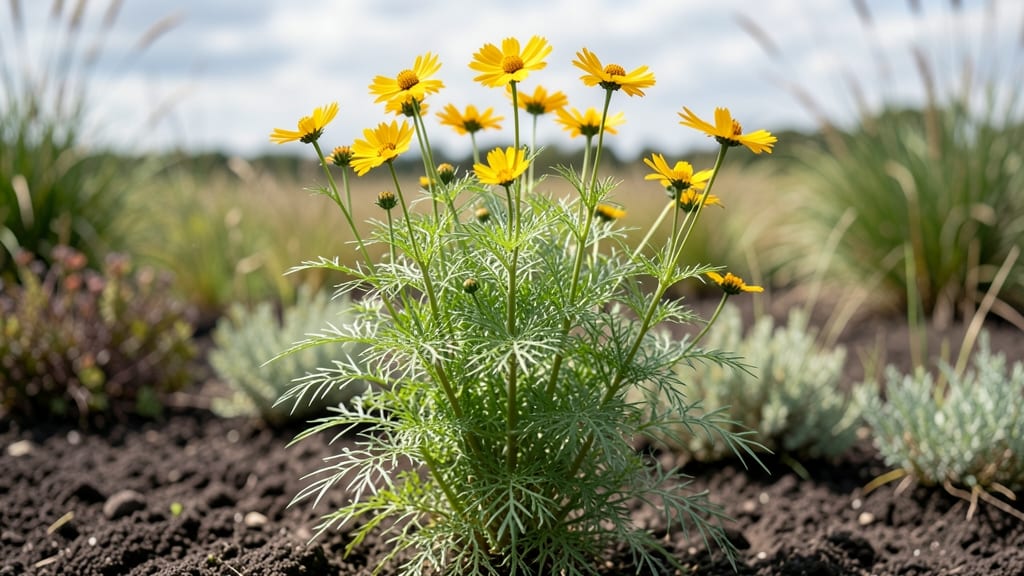
Tickseed coreopsis thrives where most plants struggle—dry, sunny spots with next-to-no care. 🌻 I’ve grown it in my hot, rocky soil for years, and it’s never once complained, while my fussier perennials wilted nearby. The secret? This plant loves neglect almost as much as it loves sun.
You’ll need full sun (6+ hours daily), well-draining soil (even sandy or rocky works), and minimal watering—once established, it survives on rainfall alone. Fertilizer? Optional. Pruning? Only if it looks messy. Even the soil pH is flexible, though 6.0–7.5 keeps it happiest.
Plant it in spring or fall, and it’ll reward you with nonstop blooms from early summer until frost. The payoff is cheerful, daisy-like flowers that butterflies and bees adore, plus lush foliage that stays green even in drought. Deadhead spent blooms to encourage more flowers, but honestly?
Many gardeners skip this step entirely and still get a showstopping display. It’s the ultimate “plant it and forget it” perennial. If you’ve ever struggled with high-maintenance plants, tickseed coreopsis is your redemption.
It tolerates poor soil, heat, and drought like a champ, making it perfect for xeriscapes, wildflower meadows, or lazy gardeners (raises hand). Here’s how to keep yours thriving without the hassle.
📚 In This Guide
- What you need
- Instructions
- Tips and common mistakes
- Wrapping up and next steps
What you need
- ● Tickseed Coreopsis plants: 3–5 healthy nursery-grown seedlings or bare-root plants (choose varieties like Coreopsis verticillata or Coreopsis lanceolata for best results).
- ● Well-draining potting mix: 1–2 bags (12–18 qt each) of cactus/succulent mix or a blend of 50% potting soil + 50% perlite/sand (Coreopsis hates soggy roots!).
- ● Containers or garden bed: Containers: 5–10-inch pots with drainage holes (1–2 per plant). Terracotta or fabric pots work best.
- ● Garden bed: Full sun (6+ hours/day) with sandy or rocky soil (amend clay soil with compost or grit).
- ● Watering can or hose with a gentle spray nozzle: Avoid overhead watering to prevent fungal issues.
- ● Pruning shears: Sharp, clean pair for deadheading and shaping.
- ○ Slow-release fertilizer: 1–2 tbsp of balanced 10-10-10 or low-nitrogen (5-10-10) granular fertilizer per plant (optional but recommended for container-grown Coreopsis).
- ● Mulch: 1–2 inches of gravel, pine bark, or straw mulch to retain moisture and deter weeds (skip if using containers).
- ● Epsom salt: 1 tbsp dissolved in water (monthly feed for extra magnesium—great for vibrant blooms!).
- ● Compost tea or liquid seaweed fertilizer: For a natural boost during blooming season.
- ● Sun hat or shade cloth (30–50% coverage): Only needed for intense afternoon sun zones (Zone 9+) to prevent leaf scorch.
- ● Plant labels: To track varieties and care notes (because even drought-resistant plants appreciate a little organization!).
Step-by-Step instructions for cultivating thriving tickseed coreopsis
Coreopsis tickseed thrives on neglect but rewards with vibrant blooms—here's how to keep them happy with minimal effort.
🌱 Step 1: Choose the Perfect Planting Location
Coreopsis tickseed adores full sun—at least 6-8 hours daily. I always scout the sunniest spot in my garden first because these plants wilt dramatically in shade. Look for areas where other sun-lovers like lavender or coneflowers already thrive; that’s your coreopsis zone.
Well-draining soil is non-negotiable. Test your spot by digging a 6-inch hole—if water pools after 10 minutes, amend with 2-3 inches of coarse sand or gravel mixed into the top 12 inches of soil. The roots hate soggy feet, and coreopsis will protest by dropping leaves if drainage is poor.
☀️ Step 2: Plant at the Right Depth and Spacing
Dig holes twice as wide as the root ball but only as deep as the container height. Gently remove plants from their nursery pots and tease apart any circling roots—this prevents girdling as they establish. Place each plant so the top of the root ball sits just below soil level; burying the stem too deep invites rot.
Space plants 12-18 inches apart for single-stem varieties or 24 inches apart for larger clumping types. Crowding leads to leggy stems and fewer blooms. I like to plant in odd-numbered groupings (3, 5, or 7) for a natural, wildflower meadow look that coreopsis excels at.
💧 Step 3: Water Deeply but Infrequently
After planting, water deeply to settle the soil—aim for 1-1.5 inches of water per week, delivered all at once rather than daily sips. Coreopsis stores moisture in its deep taproot, so once established, it thrives on drought. You’ll know it’s happy when the soil feels dry 1-2 inches down between waterings.
Skip the sprinkler head. Use a soaker hose or water at the base early in the morning to prevent fungal issues. Overhead watering in evening humidity invites powdery mildew, which coreopsis can tolerate but looks unsightly on those cheerful blooms.
✂️ Step 4: Deadhead and Prune for Continuous Blooms
Snip spent blooms back to the nearest set of healthy leaves or leaf node—this encourages more flowers. I use clean, sharp pruners and make cuts at a 45-degree angle just above a leaf joint to prevent water from pooling. Deadheading isn’t just for looks; it extends the blooming season from early summer until frost.
In late fall, cut back stems to 3-4 inches tall to tidy the plant. Don’t remove all the foliage—leaving some protects the crown from harsh winter winds. Coreopsis is hardy to USDA Zone 3, but a little winter mulch (like 2 inches of shredded leaves) helps young plants overwinter better.
🌿 Step 5: Feed Sparingly for Vibrant Color
Coreopsis doesn’t demand fertilizer, but a light feeding in early spring jumpstarts growth. Use a balanced 10-10-10 fertilizer at half strength—overfeeding leads to lush foliage but fewer flowers. Scatter granules around the drip line (not touching the stems) and water deeply to activate them.
For organic gardeners, a top-dressing of composted manure or worm castings in spring provides slow-release nutrients. Avoid high-nitrogen fertilizers; they’ll make your plants grow leaves instead of the cheerful yellow, pink, or red blooms you planted for.
Tips & tricks for perfect tickseed coreopsis growth
These simple yet powerful strategies will help you coax the most vibrant blooms from your tickseed coreopsis with minimal effort.
Sunlight Secret: While the instructions call for 6-8 hours of full sun daily, I’ve found that coreopsis actually thrives with even more sunlight—up to 10 hours—especially in hotter climates. The more sun, the more prolific the blooms, though they’ll still tolerate 5 hours minimum if absolutely necessary. Watch for leaves turning yellow in deep shade; that’s their way of saying "I need more light!"
Soil Test Hack: That 10-minute water test in Step 1 is brilliant, but here’s how to take it further: After digging your 6-inch hole, press your finger into the soil. If it feels compacted or leaves a mark, you definitely need that 2-3 inches of coarse sand amendment. For clay-heavy soils, mix in 1 part perlite to 3 parts native soil to create pockets of air for those sensitive roots.
Pruning Precision: When deadheading in Step 4, I’ve noticed that cutting at a 45-degree angle isn’t just about aesthetics—it’s about redirecting water away from the stem. But here’s the real trick: Make your cuts just above a set of leaves that’s facing outward. This encourages new growth to shoot in the direction you want, creating a fuller plant over time. Think of it like training a tiny, flowering bush.
Winter Prep Strategy: That 2-inch mulch layer of shredded leaves in late fall is perfect, but don’t stop there. If you’re in Zone 4 or colder, add a thin layer of straw on top of the leaves for extra insulation. The straw protects against temperature swings that can stress young plants. In spring, simply rake it away—it’ll decompose naturally and add nutrients to the soil.
Pro Tips for Tickseed Coreopsis Care
- These simple yet powerful strategies will help you coax the most vibrant blooms from your tickseed coreopsis with minimal effort.
- Sunlight Secret: While the instructions call for 6-8 hours of full sun daily, I’ve found that coreopsis actually thrives with even more sunlight—up to 10 hours—especially in hotter climates.
- Soil Test Hack: That 10-minute water test in Step 1 is brilliant, but here’s how to take it further: After digging your 6-inch hole, press your finger into the soil.
Frequently asked questions
Got questions about keeping your tickseed coreopsis thriving? You’re in the right place! Here are answers to the most common queries from gardeners—whether you’re a beginner or a seasoned pro.
How often should I water tickseed coreopsis?
Once established, tickseed coreopsis is drought-tolerant—water deeply but infrequently (about once a week in dry spells). Overwatering can lead to root rot, so let the soil dry out between waterings. Pro tip: Mulch around plants to retain moisture and suppress weeds!
When is the best time to plant tickseed coreopsis?
Plant in early spring or fall for optimal root establishment. Avoid extreme heat or frost—coreopsis thrives in USDA Zones 3–9. If starting from seeds, sow them directly in the garden after the last frost for faster germination. Fun fact: Some varieties self-seed, so you might get surprises next year!
Why aren’t my tickseed coreopsis flowers opening?
Lack of blooms often signals too much shade, over-fertilizing, or deadheading neglect. Ensure full sun (6+ hours daily) and skip high-nitrogen fertilizers. Snip spent blooms to encourage more flowers. Troubleshoot: Check for pests like aphids or powdery mildew—treat with neem oil if needed.
Can tickseed coreopsis grow in containers?
Choose a well-draining pot (at least 12 inches deep) and use a light, sandy soil mix. Dwarf varieties like ‘Moonbeam’ thrive in containers. Tip: Place pots in full sun and water consistently until roots establish (first 2–3 weeks).
What are some low-maintenance alternatives to tickseed coreopsis?
If you love coreopsis’s drought tolerance and long blooms, try these easy swaps:
- Black-eyed Susan (Rudbeckia): Similar care, bold flowers.
- Blanket flower (Gaillardia): Thrives in heat, great for pollinators.
- Sedum (‘Autumn Joy’): Succulent-like, zero-fuss perennials.
Wrapping up and next steps
Caring for tickseed coreopsis is a breeze—whether you're a seasoned gardener or just starting out! 🌸 With its drought-resistant nature, vibrant blooms, and minimal upkeep, this plant is the perfect addition to any garden.
All it takes is a little sun, well-draining soil, and occasional deadheading to keep it thriving.
Now that you’re armed with all the tips and tricks, why not plant one (or a dozen!) this season? Grab your gloves, pick a sunny spot, and watch your garden transform with cheerful, low-maintenance beauty. Happy gardening! 🌱