
Trees
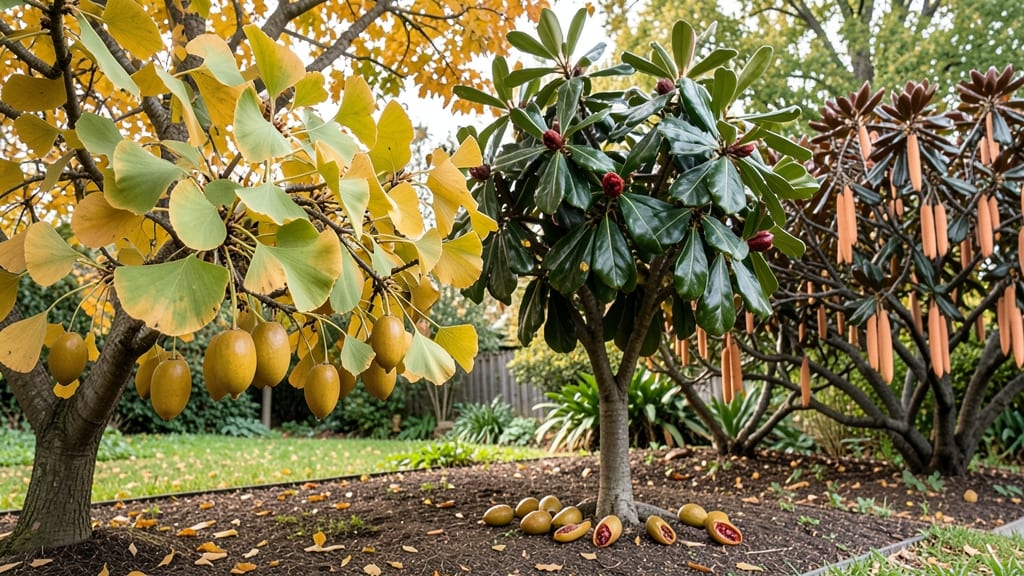
Collecting tree seed pods in late fall gives you a head start on growing your own forest. The dry-and-store method preserves viability for months, letting you plant when conditions are perfect—whether it's the crisp air of early spring or the warmth of fall.
I’ve successfully germinated oak, maple, and acacia seeds this way, and the key is patience and precision.
Start by harvesting mature pods when they’ve fully dried on the tree—usually in October or November—then spread them in a single layer to dry completely indoors. Once bone-dry, store them in a sealed container with a moisture-absorbing packet to prevent mold.
This method keeps seeds viable for 6–12 months, depending on the species, so timing matters.
When ready to plant, soak the seeds for 24–48 hours to break dormancy, then sow them in well-draining soil at a depth of 1–2 inches. Keep the soil consistently moist but not soggy, and place containers in a warm, bright spot (like a sunny windowsill).
Germination can take 2–6 weeks, but the wait is worth it for sturdy seedlings.
Common mistakes include planting too early (before last frost) or skipping the stratification step for seeds like oak. For best results, group seeds by species and label containers—some trees, like maples, germinate quickly, while others, like oaks, may need 2–3 months of cold stratification first.
Adjust your approach based on the tree type.
📚 In This Guide
- What you need
- Instructions
- Tips and common mistakes
- Wrapping up and next steps
What you need
- ● Tree seed pods: Collect fresh, mature pods from healthy trees (e.g., maple, acacia, or lotus). Aim for at least 20-30 pods for reliable germination testing.
- ● Paper towels or coffee filters: 2-3 sheets (unbleached, if possible) for moisture control.
- ● Small plastic bags or airtight containers: Quart-sized ziplock bags or small Tupperware (1-2 per batch of pods).
- ○ Spray bottle (optional but helpful): For gentle misting—aim for a fine mist setting to avoid over-saturating.
- ● Scissors or pruning shears: For carefully opening pods to access seeds (sterilize with rubbing alcohol if reusing).
- ● Labeling supplies: Masking tape + marker (to label pods by tree type/date).
- ● Cool, dry storage space: A pantry, basement, or seed fridge (ideally 35–45°F for long-term viability).
- ● Patience: Some pods (like maple) may take 3–6 months to dry—plan ahead!
- ● Desiccant packets (e.g., silica gel) to absorb excess moisture in storage.
- ● Humidity monitor (to keep levels between 30–50% for optimal drying).
- ● Notebook to track drying progress, pod types, and germination notes.
How to dry and store tree seed pods for germination success
Here's the method I've used to preserve seed viability for years—perfect for acorns, maple samaras, or any hard-coated seeds.
Harvest Pods at Peak Ripeness
Collect seed pods when they've fully matured but haven't yet fallen to the ground—this is typically when they've turned their most vibrant color and feel slightly dry to the touch. For example, acorns should be firm with a papery husk, while maple samaras will have browned wings. Harvest on a dry day to prevent moisture from getting trapped inside the pods.
Gently twist or pull pods from the tree to avoid damaging the seed inside. If pods are still attached to branches, use clean pruning shears to cut them cleanly. Place them in a paper bag or breathable mesh sack immediately after harvesting—this prevents condensation buildup that can rot seeds before storage.
Dry Pods Thoroughly Before Storage
Spread the harvested pods in a single layer on a screen or paper towel in a well-ventilated area. Choose a spot with indirect sunlight—direct sun can overheat and dry the pods too quickly, potentially damaging the seeds inside. Let them dry for 7-14 days, stirring occasionally to ensure even drying.
Pods are ready when they feel completely dry and brittle to the touch. You'll notice the husks or wings become crisp and may even start to rattle slightly when shaken. If any pods still feel damp, extend the drying time by another day or two. Proper drying prevents mold growth during storage and preserves seed viability.
Store Pods in Airtight Containers
Transfer the dried pods to airtight containers like glass jars or sealed plastic bags. I prefer glass jars because they allow me to monitor the pods without risking moisture exposure. Label each container with the tree species and harvest date—this helps track seed age and viability over time.
Store the containers in a cool, dark place where temperatures remain 40-50°F. A refrigerator's crisper drawer works well for short-term storage, while a basement or root cellar is ideal for long-term preservation. Avoid storing near fruits or vegetables, as ethylene gas from ripening produce can accelerate seed aging.
Test Viability Before Planting
Before sowing, conduct a quick viability test by placing a few seeds in a damp paper towel inside a sealed plastic bag. Keep the bag in a warm spot (65-75°F) and check daily for signs of sprouting, which typically occurs within 7-14 days. Healthy seeds will show a small root or shoot emerging from the seed coat.
If fewer than 80% of seeds sprout during the test, consider soaking the remaining pods in lukewarm water for 24 hours before planting. This helps soften hard seed coats and encourages germination. Discard any pods that remain unchanged after the test—these are likely non-viable and won't produce healthy seedlings.
Stratify Hard-Coated Seeds When Needed
Some tree species, like oaks and hickories, require stratification—a cold-moist period—to break dormancy. Place these pods in a plastic bag with a damp paper towel, then refrigerate for 60-90 days. Check periodically to ensure the towel stays moist but not soggy—excess water can cause rot.
After stratification, sow the seeds ½ inch deep in well-draining soil and keep it consistently moist until germination. You'll see sprouts emerge in 2-4 weeks, though some species like oaks may take 6-12 weeks. Patience is key—hard-coated seeds need time to soften and absorb water before breaking through the soil.
Tips & tricks for perfect seed pod preservation
Mastering this method transforms ordinary seed pods into reliable planting material—here's how to avoid the pitfalls that ruin viability.
Harvest Timing: The 7-14 day drying window in Step 2 requires patience, but rushing can damage seeds. I've learned that harvesting pods when they're just starting to dry (not completely crisp) gives the best balance—this prevents premature drying while avoiding rot from trapped moisture. For acorns specifically, look for a papery husk that separates easily from the nut.
Storage Environment: While the 40-50°F range in Step 3 is ideal, humidity matters just as much as temperature. I keep a small packet of silica gel in my seed storage containers to absorb any moisture that might sneak in. This extra precaution has kept my stored pods viable for up to three years—far longer than the typical one-year shelf life for many seeds.
Viability Testing: The 7-14 day germination test in Step 4 reveals more than just viability—it shows potential germination speed. If your seeds sprout within 7 days, they're ready to plant immediately. If they take the full 14 days, consider stratification (Step 5) for species like oaks that need that extra dormancy-breaking period. This test becomes your quality control checkpoint before committing to full planting.
Stratification Insight: When refrigerating for 60-90 days in Step 5, I've found that checking the moisture level weekly prevents rot without requiring constant attention. Simply press the paper towel—it should feel damp but not wet. This small check ensures you're not creating the conditions that would actually kill your seeds during this critical period.
Pro Tips for Tree Seed Pods
- Mastering this method transforms ordinary seed pods into reliable planting material—here's how to avoid the pitfalls that ruin viability.
- Harvest Timing: The 7-14 day drying window in Step 2 requires patience, but rushing can damage seeds.
- Storage Environment: While the 40-50°F range in Step 3 is ideal, humidity matters just as much as temperature.
Frequently asked questions
Got questions about harvesting, storing, or germinating tree seed pods? You’re not alone! Here are some of the most common queries—and their answers—to help you get started on your seed-saving journey.
How do I know when tree seed pods are ready to harvest?
Most seed pods are ready when they’re fully dry, brown, and start splitting open on their own. For example, maple pods turn papery, while acorns fall naturally from oak trees. Pro tip: Check pods weekly in late summer or early fall—harvest them before they release seeds to the ground!
What’s the best way to store seed pods before planting?
Store pods in a cool, dry place (like a paper bag or envelope) for 1–3 months to complete stratification (a natural cold treatment). Avoid plastic—it traps moisture and can cause mold. Label each container with the tree type and harvest date for easy tracking!
How long can I store seed pods before they lose viability?
Viability varies by species, but most tree seeds stay good for 1–5 years if stored properly. Test germination annually by planting a few seeds—if fewer than 50% sprout, it’s time to refresh your stash. Fun fact: Some seeds, like those from catalpa trees, may only last a year!
Can I use seed pods from any tree, or are some better for beginners?
Beginner-friendly pods include maple, oak, or birch—they’re easy to germinate and grow into hardy trees. Avoid toxic pods (like those from black walnut) unless you’re experienced. Always research your local climate and soil needs to match the tree species!
What do I do if my seed pods mold or smell bad during storage?
Toss them immediately! Mold or a musty smell means the seeds are spoiled. To prevent this, store pods in a well-ventilated container (like a mesh bag) and check for moisture weekly. If humidity is high, add a silica gel packet to absorb excess dampness.
Wrapping up and next steps
From lotus seed pods to maple helicopters, mastering the dry-and-store method unlocks the secret to growing vibrant trees with ease! 🌱 By following these simple steps—harvesting at the right time, drying thoroughly, and storing properly—you’re setting the stage for lush, thriving greenery.
Whether you’re a gardening novice or a seasoned green thumb, this technique makes germination feel effortless.
Ready to grow something amazing? Grab those seed pods, follow the steps, and watch your garden transform. Plant a seed today—tomorrow’s forest starts with you! 🌳✨