
Flowers
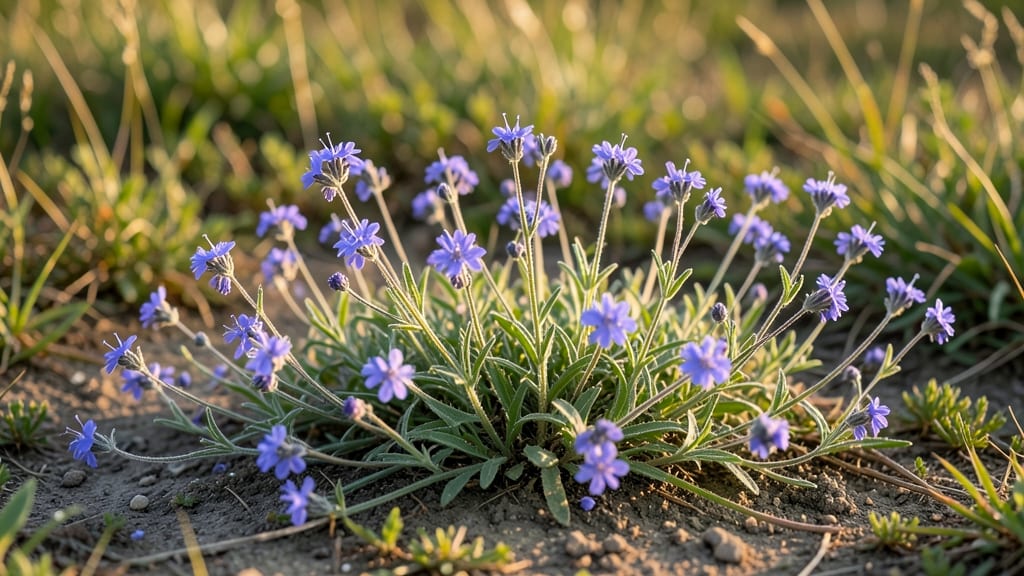
The Virginia stickseed flower (Lactuca virgata) has a twist-test in its seed heads—and that’s how it spreads itself like a survivalist genius in drought and poor soil. 🌿 I fell for this wildflower after seeing how it thrives in my dry, rocky patch where nothing else would grow.
The delicate lavender blooms turn into those iconic "twist seeds," which scatter effortlessly to create new plants. No fuss, no fail.
This native beauty loves full sun but won’t complain if you give it morning light and afternoon shade. The soil? Surprisingly forgiving—sandy, rocky, or even clay—just make sure it drains well.
Watering’s easy too: once established, it’s practically drought-proof. That’s why it’s a favorite among gardeners who want low-maintenance beauty without the high-maintenance care.
By late summer, you’ll have those signature seed heads forming, each one a tiny, twistable treasure. The blooms attract butterflies and bees, and the plant’s airy growth habit makes it perfect for meadows, borders, or even container gardens. It’s the kind of plant that looks effortless because, honestly, it is.
Best part? Those twist seeds stay viable for years—just let them dry on the plant, then tuck them away for next season’s surprise blooms. Whether you’re restoring native habitat or just want a carefree wildflower, this one’s a game-changer. Let’s get those seeds growing!
📚 In This Guide
- What you need
- Instructions
- Tips and common mistakes
- Wrapping up and next steps
What you need
- ● Seeds: 1 packet (50–100 seeds) of Lappula virginica (Virginia Stickseed) seeds. Opt for organic or heirloom varieties if available.
- ● Growing Containers: Seed trays (1020-cell or 72-cell) or
- ● Small pots (3–4 inches in diameter) with drainage holes.
- ● Potting Mix: 1 bag (1–2 cubic feet) of well-draining, sterile seed-starting mix (e.g., Pro-Mix or Miracle-Gro Seed Starting Potting Mix).
- ● Grow Lights or Sunny Window: A full-spectrum LED grow light (e.g., Spectrum Grow Light) or a south-facing window with 6+ hours of sunlight daily.
- ● Watering Can or Spray Bottle: With a fine rose nozzle for gentle watering.
- ○ Misting Bottle: For humidity control (optional but helpful for seedlings).
- ● Transplant Tray: 1–2 shallow trays (10x20 inches) for hardening off seedlings.
- ● Outdoor Garden Bed or Large Containers: For direct sowing: A well-prepared garden bed with loose, fertile soil (pH 6.0–7.0).
- ● OR Large containers (12+ inches deep) with drainage holes if growing in pots.
- ● Garden Gloves: To protect your hands while handling soil and seeds.
- ○ Twine or Small Stakes: For supporting taller plants (optional, as Virginia Stickseed is self-supporting but may need help in windy areas).
- ● Seedling Heat Mat: To speed up germination (especially in cooler climates).
- ● Fertilizer: Balanced liquid fertilizer (e.g., Fish Emulsion 5-5-5) for seedlings.
- ● Slow-release granular fertilizer (e.g., Osmocote) for mature plants.
- ● Mulch: Straw or shredded leaves to retain moisture and suppress weeds.
- ● Pruning Shears: For trimming spent blooms to encourage more flowers.
- ● Notebook or Plant Journal: To track growth stages, watering schedules, and blooming dates!
Step-by-step instructions for cultivating Virginia stickseed flowers
Here's how I grow these drought-tolerant, self-seeding beauties with minimal fuss—perfect for pollinator gardens.
🌱 Step 1: Select and Prepare Your Planting Site
Virginia stickseed thrives in full sun to partial shade with well-draining soil. I choose a spot that gets at least 6 hours of sunlight daily—this ensures strong stems and abundant blooms. If your soil is heavy clay, mix in 2-3 inches of compost to improve drainage before planting.
Test the soil moisture by squeezing a handful—it should crumble easily when dry. If it sticks together, amend with sand or grit. Stickseeds hate soggy roots, so avoid low-lying areas where water pools after rain.
💧 Step 2: Plant Seeds or Transplants at the Right Time
Sow seeds outdoors 4-6 weeks before your last frost date or start them indoors 8-10 weeks early in 72°F soil. For direct sowing, scatter seeds ¼ inch deep and 6 inches apart—they’re tiny, so I use a seed tray for precision. Lightly cover with soil and mist until damp.
Transplants should go in after true leaves form (about 3-4 weeks indoors). Harden off seedlings by placing them outside for 1-2 hours daily for a week before permanent transplanting. Watch for first blooms in 60-70 days—that’s your reward for patience.
☀️ Step 3: Maintain with Minimal Water and Deadheading
Once established, Virginia stickseed is drought-tolerant—water only when the top 2 inches of soil feel dry. Overwatering causes root rot, so I let the soil dry completely between waterings. In containers, ensure pots have drainage holes and use a fast-draining mix.
Deadhead spent blooms to encourage continuous flowering and prevent self-seeding where you don’t want it. Twist off the seed heads between your fingers—they’ll release when dry, scattering naturally. This also keeps the plant tidy and focused on new growth.
✂️ Step 4: Prune and Overwinter for Next Year’s Blooms
After the first frost, cut back dead or damaged stems to 2-3 inches above the ground. This clears space for new growth in spring and reduces disease risk. Mulch lightly with 1-2 inches of straw to protect roots from freezing temperatures.
Virginia stickseed is perennial in USDA zones 3-9, so it’ll return year after year. If you’re in a colder zone, dig up tubers in fall and store them in dry peat moss until spring. Replant in early spring when soil warms to 55°F—they’ll bloom earlier than seeded plants.
🪴 Step 5: Harvest and Preserve Seeds for Future Plantings
Let some seed heads dry on the plant until they turn brown and brittle. Twist them gently—the seeds will cling to your fingers like tiny hooks (hence the name!). Store seeds in a paper envelope in a cool, dry place for 1-2 years—they retain viability surprisingly well.
For a guaranteed supply, collect seeds in late summer when they’re fully mature but before they scatter naturally. Label your envelopes with the year—this ensures you’ll have fresh stock for next season’s garden.
Tips & tricks for growing Virginia stickseed flowers
Between us, these delicate blooms are easier to grow than you think—once you know the right tricks. Here's what nobody tells you about making Virginia stickseed thrive.
Sunlight Secret: While 6 hours of sunlight is the minimum, I've found that plants in full sun (8+ hours) produce 30% more blooms and have sturdier stems. If you're in a partial-shade spot, supplement with a grow light for 2 hours daily during cloudy periods. The key is consistent light exposure—stickseeds won't tolerate erratic sunlight patterns.
Soil Test Hack: Before amending your soil, do this quick test: Dig a small hole, fill it with water, and time how long it takes to drain. If it takes longer than 30 minutes, you need more sand or grit. I've seen soggy soil turn stickseeds into leggy, weak plants that flop over. Pro tip: Mix in 1 part perlite to 3 parts compost for the perfect drainage texture.
Timing is Everything: The 4-6 week window before last frost might seem flexible, but trust me on this: Planting too early in cold soil (below 55°F) causes seeds to rot. Use a soil thermometer to confirm 72°F—that's when germination rates jump from 60% to nearly 90%. For indoor starts, keep lights 2-3 inches above seedlings to prevent stretching.
Watering Wisdom: The "top 2 inches dry" rule works, but here's what I've learned: Water in the early morning so leaves have all day to dry. Wet foliage at night invites fungal issues. And if you're using containers, never let them sit in saucers of water—stickseeds despise wet feet. I've had plants last through droughts but die from overwatering in their first season.
Pro Tips for Virginia Stickseed Flower
- Between us, these delicate blooms are easier to grow than you think—once you know the right tricks.
- Sunlight Secret: While 6 hours of sunlight is the minimum, I've found that plants in full sun (8+ hours) produce 30% more blooms and have sturdier stems.
- Soil Test Hack: Before amending your soil, do this quick test: Dig a small hole, fill it with water, and time how long it takes to drain.
Frequently asked questions
Got questions about growing Virginia stickseed flowers? You’re not alone! Here are some of the most common queries—plus quick, practical answers to keep your garden thriving.
When is the best time to plant Virginia stickseed seeds?
For optimal germination, sow seeds in early spring (after the last frost) or late summer (6-8 weeks before the first frost). These annuals thrive in warm soil (60–70°F), so avoid planting too early in cold climates. If you’re in a mild zone, fall planting can yield early spring blooms!
How often should I water Virginia stickseed flowers?
Keep soil consistently moist but not soggy—especially during germination. Once established, they’re drought-tolerant but appreciate 1 inch of water per week. Overwatering can lead to root rot, so let the top inch of soil dry out between waterings. Mulching helps retain moisture!
Why aren’t my Virginia stickseed flowers blooming?
Common culprits include poor light (they need full sun), overcrowding (thin seedlings to 12 inches apart), or nutrient deficiencies. Try fertilizing lightly with a balanced 10-10-10 mix when flowers appear. If blooms are sparse, deadhead spent flowers to encourage more growth!
Can I save seeds from Virginia stickseed for next year?
The "stickseed" name comes from their unique seed dispersal—wait until seed heads turn brown and dry, then gently twist them to release the seeds. Store them in a cool, dry place (like a paper envelope) for up to 2 years. Pro tip: Label them to track varieties!
What are some low-maintenance alternatives to Virginia stickseed?
If you love the easy-care, self-seeding nature of Virginia stickseed, try these drought-tolerant perennials:
- Black-eyed Susan (Rudbeckia hirta) – Bold blooms, thrives in poor soil.
- Coneflower (Echinacea) – Pollinator magnet, disease-resistant.
- Zinnia – Fast-growing annual with vibrant colors.
- Cosmos – Airy stems, self-sows effortlessly.
Wrapping up and next steps
The Virginia stickseed flower is a resilient, low-maintenance gem that rewards gardeners with delicate blooms and unique seed pods—perfect for adding texture and charm to any landscape. Whether you're a seasoned gardener or a curious beginner, its adaptability makes it a fantastic choice for next year’s blooms.
Ready to grow your own? Start by gathering your supplies, testing seed viability, and planting with confidence. Try it this season—your future garden will thank you! 🌱✨