
Planting
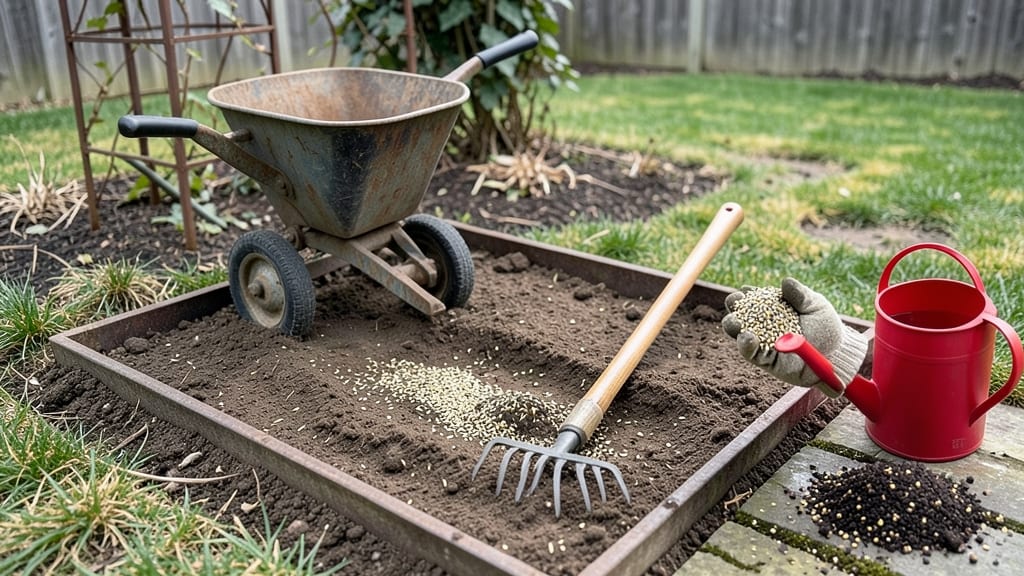
Planting grass seed in spring is all about catching that sweet spot between last frost and summer heat—wait too long, and you’ll end up with patchy growth. ✨ I’ve learned the hard way that rushing it leads to seeds drying out before they sprout, while waiting too late means battling weeds and crabgrass instead.
The key is soil temperature: aim for 55-65°F, which usually hits 2-4 weeks after your average last frost date. Check your local frost chart and mark your calendar—this is when the magic happens.
Before you even think about seeds, prep your soil like you’re setting the stage for a blockbuster. Clear out weeds (they’ll steal nutrients), loosen the top 2-3 inches of soil, and rake until it’s smooth as a baby’s bottom.
A quick soil test reveals if you need lime or fertilizer—most lawns do. I swear by a 10-10-10 starter fertilizer (or compost) to give those seedlings the boost they need. Pro tip: Water the area the day before planting to wake up the soil.
Once the timing and soil are right, spread your seed evenly—don’t skimp! Lightly rake it in (just enough to cover with ¼ inch of soil) and keep it moist like a damp sponge for the first 2-3 weeks.
You’ll see sprouts in 7-21 days, depending on the grass type. The first cut shouldn’t happen until the blades reach 3-4 inches, and even then, never take more than ⅓ of the height at a time.
Patience here pays off with a lawn so thick weeds can’t get a foothold.
Here’s the thing—spring planting works best in cooler climates (Zones 3-7). If you’re in the South (Zones 8-10), late summer/early fall is your window. And if your lawn looks like a warzone after the first mow? Don’t panic.
Adjust your mower height, water deeply but infrequently, and give it time. That first lush green is worth every bit of effort—trust me, I’ve turned more brown patches into vibrant carpets than I’d like to admit.
📚 In This Guide
- What you need
- Instructions
- Tips and common mistakes
- Wrapping up and next steps
What you need
- ● Grass seed: Choose a high-quality blend suited to your climate (e.g., Kentucky Bluegrass, Fescue, or Bermuda). Aim for 5–10 lbs per 1,000 sq ft, depending on seed type and coverage goals.
- ○ Soil test kit: Optional but highly recommended to check pH and nutrient levels (ideal pH: 6.0–7.0 for most grasses).
- ● Lawn fertilizer: A slow-release, spring-friendly formula (e.g., 10-10-10 or 16-4-8) with iron for greening. Apply ½ lb of nitrogen per 1,000 sq ft before seeding.
- ● Topsoil or compost: ½–1 inch of high-quality topsoil or well-aged compost to improve soil texture and nutrients.
- ● Rake: A bow rake (for leveling) and a hand rake (for smoothing seed).
- ○ Lawn roller: A lightweight (100–150 lb) roller to press seed into soil (optional but helpful for large areas).
- ● Watering supplies: A hose with a sprinkler head or garden sprayer for gentle, even watering.
- ○ Water timer (optional but handy for consistency).
- ● Mulching mats or straw: Straw mulch (not hay!) to protect seeds from birds and erosion. Use ¼–½ inch of straw after seeding.
- ● Clear the area: Remove debris, rocks, and weeds. Pro tip: Use a weed killer (like glyphosate) 2–4 weeks before planting if needed.
- ● Test soil moisture: Soil should be damp but not soggy—like a wrung-out sponge. Water lightly 1–2 days before planting if dry.
- ● Check the forecast: Plant when 5–7 days of rain or consistent watering are guaranteed. Avoid planting if frost or heavy rain is expected.
Step-by-Step guide for planting grass seed in spring
Timing is everything—plant too early and frost will kill your efforts, too late and summer heat will dry out new growth.
☀️ Step 1: Wait for Ideal Soil Temperatures
Grass seed needs soil temperatures between 55-65°F to germinate properly. Use a soil thermometer to check—stick it 2 inches deep in the ground for an accurate reading. In most regions, this happens 2-4 weeks after your last frost date, but cooler climates may need to wait until late April or early May.
Here's the thing—planting too soon when the ground is still chilly means seeds will rot instead of sprout. I always test for a full week of temperatures above 50°F before even unpacking my seed bags. Watch for morning frost warnings too—if frost is still possible, wait another week.
🌱 Step 2: Prepare the Soil Before Planting
Rake the existing lawn or bare soil to create a fine, level seedbed with no rocks or clumps larger than a pea. For new lawns, remove all debris and loosen compacted soil with a garden fork or tiller to 2-3 inches deep. You want the top layer to feel like crumbly cake—not packed dirt or powdery sand.
Spread a ½-inch layer of compost over the area and lightly rake it in. This adds nutrients without overwhelming new seedlings. If your soil tests acidic (pH below 6.0), sprinkle lime according to package instructions—grass needs a slightly acidic to neutral soil, around 6.0-7.0 pH for best germination.
💧 Step 3: Spread Seed Evenly and Lightly Cover
Use a broadcast spreader set to the recommended rate on your seed bag (typically 4-8 lbs per 1,000 sq ft). Walk in opposite directions to ensure even coverage—you'll see bare spots if you rush this. For small areas, use a hand spreader and work in small sections.
After spreading, lightly cover seeds with a thin layer of soil or compost—just enough to hide them from birds (about ¼ inch). Don't bury them deeper than ½ inch or they'll struggle to reach sunlight. I use a sieve or fine rake to create a smooth, even surface that won't wash away when you water.
🌿 Step 4: Water Gently and Consistently
Keep the soil evenly moist (not soggy) for the first 2-3 weeks—this is critical for germination. Water lightly 2-3 times daily (morning, noon, and evening) to keep the top ½ inch of soil damp. You'll know you're doing it right when the surface looks dark but doesn't form puddles.
Once seedlings reach 2-3 inches tall, reduce watering to 1 inch per week, including rainfall. Avoid heavy watering that can uproot tender new grass. I set a rain gauge nearby to track moisture—overwatering is just as deadly as underwatering at this stage.
⏰ Step 5: Monitor and Maintain for First Growth
Watch for first green shoots in 7-21 days—cool-season grasses like fescue germinate faster than warm-season types like Bermuda. Thin areas mean you missed spots; thick clumps indicate over-seeding. If you see bare patches after germination, sprinkle a little extra seed and lightly cover with soil.
Once grass reaches 3-4 inches tall, mow with a sharp blade set to 2-3 inches to encourage root growth. Never remove more than ⅓ of the blade height in one mowing. I wait until the grass is fully dry before mowing to avoid tearing seedlings—wet grass pulls up easily and creates uneven spots.
Tips & tricks for perfect spring grass planting
Here's what nobody tells you about getting that perfect lawn start—these secrets come from years of watching seeds either thrive or fail.
Soil Temperature Secret: That 55-65°F range isn't just a suggestion—it's when grass seeds wake up from dormancy. I've seen seeds planted at 50°F or below just sit there, waiting for warmer days. Use your soil thermometer every morning for a week before planting to confirm consistent warmth. Morning readings are most reliable since soil cools overnight.
Prep Like a Pro: The 2-3 inch deep loosening in Step 2 isn't just about breaking up dirt—it's about creating air pockets for roots. I use a garden fork to make vertical slits rather than horizontal cuts. This creates natural channels for water and nutrients to reach the seeds. For compacted clay soil, work in a ½-inch layer of coarse sand mixed with your compost to improve drainage.
Watering Wisdom: Those 2-3 weeks of frequent watering are non-negotiable, but timing matters just as much. Water in the early morning so the soil has all day to absorb moisture before evening evaporation. I set a timer for 10 minutes per zone—long enough to soak the top ½ inch but not create puddles. If you miss a watering, do it immediately rather than waiting for the next scheduled time.
First Mow Checklist: When your grass reaches 3-4 inches, don't grab the mower just yet. Wait until it's completely dry—wet grass pulls up easily and creates uneven patches. I always do a quick tug test: if blades resist when pulled, it's ready. Set your mower blade to the highest setting (2-3 inches) and never remove more than ⅓ of the blade height at once. This encourages deeper root growth for a tougher lawn.
Pro Tips for When Plant Grass Seed In Spring
- Here's what nobody tells you about getting that perfect lawn start—these secrets come from years of watching seeds either thrive or fail.
- Soil Temperature Secret: That 55-65°F range isn't just a suggestion—it's when grass seeds wake up from dormancy.
- Prep Like a Pro: The 2-3 inch deep loosening in Step 2 isn't just about breaking up dirt—it's about creating air pockets for roots.
Frequently asked questions
Got questions about planting grass seed in spring?
You’re not alone! Here are answers to the most common concerns—from timing to troubleshooting—to help you grow a thriving lawn with confidence.
What’s the best temperature for planting grass seed in spring?
Wait until the soil temperature reaches 50–65°F (10–18°C) for cool-season grasses (like Kentucky bluegrass or fescue) or 65–75°F (18–24°C) for warm-season grasses (like Bermuda or Zoysia). Check with a soil thermometer or local extension office for precise timing—planting too early can lead to mold, while waiting too late may stress seedlings.
Can I plant grass seed too early in spring?
Planting before the soil warms up (e.g., in chilly early spring) risks seed rot, fungal diseases, or slow germination. If you’re eager, cover the seed with a light layer of straw or mulch to protect it until conditions improve. For best results, align with your grass type’s ideal temperature range—patience pays off for a lush lawn.
How do I know if my spring weather is ideal for planting?
Look for consistent rain (1 inch per week) or your ability to water lightly daily for 10–15 minutes. Avoid planting during heatwaves or droughts, as dry soil can prevent seed from making contact with moisture. A 3–5 day forecast without heavy rain is ideal—this gives seeds time to establish roots before potential flooding.
What’s the fastest way to fix patchy grass after planting?
Patchy areas often mean uneven seed distribution, poor soil contact, or insufficient water. Rake lightly to redistribute seed, press it into the soil, and water gently but frequently (like a light mist). If bare spots persist after germination, consider top-dressing with compost or overseeding in early fall for a denser lawn.
Can I plant grass seed over existing grass?
Yes! This is called overseeding, and it’s great for thinning lawns. First, mow the old grass short, then aerate the soil to loosen compaction. Spread seed evenly, then water thoroughly. Choose a drought-tolerant or aggressive grass type (like ryegrass) to outcompete weeds. Just avoid overseeding if your lawn has fungal diseases or thick thatch—fix those first!
Wrapping up and next steps
Spring is the perfect time to transform your lawn into a vibrant, lush carpet—and timing is everything! By planting grass seed at the right moment (early to mid-spring, when soil is workable and temperatures are mild), you’ll give your lawn the best start.
Remember to prep the soil, choose the right seed, and keep it moist for optimal growth.
Ready to take action? Grab your tools, pick your seed, and get planting! Your dream lawn is just a few weeks of care away—you’ve got this! 🌱💚