
Lawn
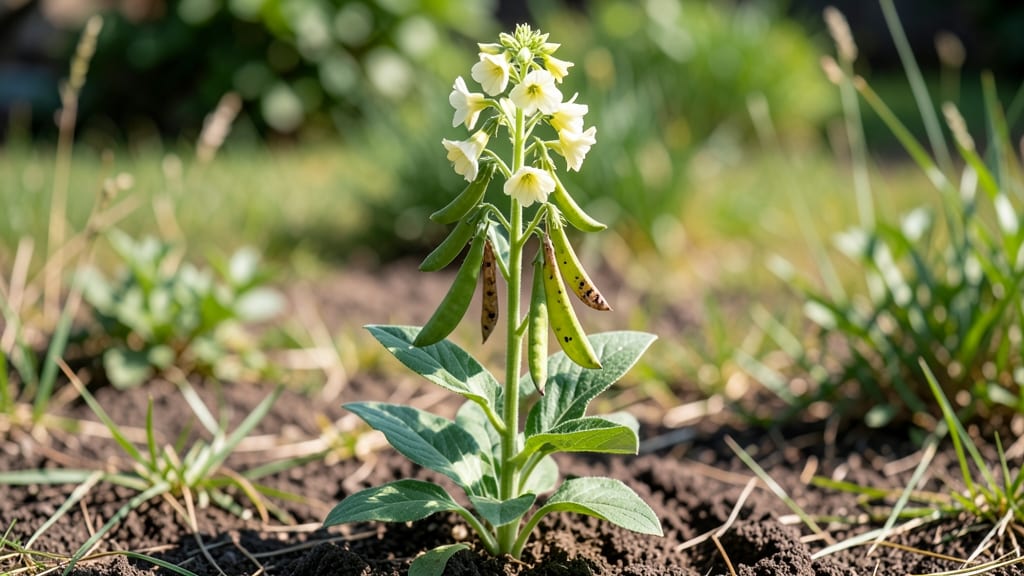
Harvesting wild mustard seed pods without twisting them apart is the secret to storing seeds for next year’s garden. 🌱 I’ve spent years perfecting this technique after struggling with brittle pods that crumbled into useless fragments—until I discovered the right timing and handling method.
The key lies in watching for pods that turn from green to light brown and begin to rattle when shaken. Wild mustard thrives in poor soil and full sun, so it’s often found as a volunteer in disturbed ground or along roadsides.
Once ripe, pods must be collected in dry weather and stored in paper bags to prevent mold.
You’ll end up with seeds that stay viable for 2-3 years when stored properly, ready to scatter for next spring’s crop. The harvest feels like uncovering a hidden treasure—each pod holds dozens of tiny seeds packed with potential.
Perfect for gardeners who want to save seeds from unwanted volunteers or intentionally grow wild mustard for its edible greens and seeds. Here’s how to do it right the first time.
📚 In This Guide
- What you need
- Instructions
- Tips and common mistakes
- Wrapping up and next steps
What you need
- ● Wild mustard plants (fully mature, with dry, brown seed pods—avoid green or damp ones!)
- ● Heavy-duty gardening gloves (1 pair) – thick, cut-resistant to protect from prickly stems.
- ● Pruning shears or sharp scissors – sterilized to prevent plant disease spread.
- ● Large paper bags or breathable mesh sacks (2–3 bags) – paper or unbleached cotton for airflow.
- ○ Tweezers or small tongs (optional but helpful) – For delicate pod handling.
- ● Labeling tags & permanent marker – To note harvest date and variety.
- ● Drying rack or screen – Elevated and shaded for even drying (e.g., hardware cloth over a table).
- ● Food-safe storage containers (airtight jars or Mylar bags) – 1-quart or larger for long-term stash.
- ● Seed pod thresher (DIY or store-bought) – Speeds up seed extraction from pods.
- ● Fine-mesh sieve – For sifting out debris from harvested seeds.
- ● Desiccant packets (silica gel) – To absorb moisture in storage containers.
- ● Field guide to wild mustards – If identifying varieties (e.g., Brassica juncea vs. Sinapis arvensis).
- ● Solar dehydrator – For faster drying in humid climates.
Step-by-step instructions for harvesting wild mustard seed pods
Here's how to collect and store wild mustard seeds without the frustrating twisty pods.
🌿 Step 1: Identify and Select Mature Pods
Wait until pods turn from green to light brown—this signals full maturity and dryness. Grab a pod and give it a gentle squeeze: if it crumbles slightly but doesn't snap open, it's ready. Avoid pods still green or too brittle—they won't yield viable seeds.
I like to harvest on dry, sunny mornings after dew has evaporated. This prevents moisture from sticking to seeds and causing mold later. Use clean, dry gloves to protect your hands from the plant's slight hairiness—those tiny hairs can irritate skin.
✂️ Step 2: Harvest Pods Without Breaking Them Open
Cut pods cleanly at the stem with sharp scissors or pruning shears, leaving about ½ inch of stem attached. This prevents seeds from spilling out during transport. Place pods in a paper bag (not plastic)—the breathable material helps seeds dry further.
Don't twist pods off the plant—this often crushes seeds inside. Instead, snip just above the first leaf node where the pod meets the stem. Work systematically from the bottom of the plant upward to avoid missing any pods.
🪴 Step 3: Dry and Prepare Pods for Seed Extraction
Spread pods in a single layer on a clean, dry towel in a well-ventilated area for 3-5 days. Keep them out of direct sunlight to prevent overheating. Stir pods daily to ensure even drying—you'll know they're ready when they feel lightweight and papery when shaken.
Once fully dry, place pods in a brown paper bag and gently shake or roll them over a clean white sheet of paper. This catches the tiny seeds as they fall out. I like to do this over a dark-colored sheet—the contrast makes seeds easier to spot and collect.
💧 Step 4: Store Seeds for Long-Term Viability
Transfer collected seeds to an airtight glass jar or sealed envelope. Label with the harvest date—wild mustard seeds stay viable for 2-3 years when stored properly in a cool, dark place like a pantry or refrigerator.
For extra protection, add a small silica gel packet to the jar to absorb any residual moisture. Check seeds annually—discard any that smell musty or develop mold. Properly stored seeds should remain dry and firm to the touch.
🌱 Step 5: Test Germination Before Long-Term Storage
Before storing seeds long-term, test a small sample to confirm viability. Plant 5-10 seeds in a moistened paper towel inside a sealed plastic bag. Keep in a warm spot (70-75°F) and check daily. Seeds should sprout within 5-7 days—if fewer than half sprout, store fewer seeds or harvest fresh pods next season.
This simple test gives you confidence your stored seeds will grow strong plants next year. I always test a few seeds right after harvest and again before planting season to monitor viability trends.
Tips & tricks for perfect wild mustard seed pod harvesting
Here's what I learned after years of battling those stubborn twisty pods—these tricks make all the difference.
Pod Maturity Check: The light brown color is your best indicator, but I've found the squeeze test is foolproof. If a pod feels papery when you press it (not brittle, not rubbery), it's ready. Green pods won't yield seeds, and brittle ones will crumble before you can collect anything. I test 3-4 pods at once to confirm the whole batch is ready—this saves time in the field.
Harvesting Technique: That ½-inch stem attachment isn't just about transport—it creates a natural hinge when you shake the pods later. I've tried harvesting without stems, and seeds always spill out during drying. Plus, the stems make it easier to hold pods while shaking them over your collection sheet. Use sharp scissors to avoid crushing pods during the cut.
Drying Strategy: While 3-5 days works, I've found that spreading pods on a screen or mesh towel (instead of a regular towel) allows better airflow. This cuts drying time by about 24 hours, especially in humid climates. Just make sure the screen has large enough holes to prevent seeds from falling through prematurely. Stir pods every 12 hours to prevent uneven drying.
Seed Collection Hack: That dark-colored sheet isn't just for contrast—it helps seeds stand out against any tiny plant debris. I use black construction paper or even dark fabric. Pro tip: Place a small piece of tape on the sheet first, then gently press it down. This creates a sticky surface that helps catch even the tiniest seeds when you shake the pods. It's saved me from losing hundreds of seeds to drafts!
Pro Tips for Wild Mustard Seed Pods
- Here's what I learned after years of battling those stubborn twisty pods—these tricks make all the difference.
- Pod Maturity Check: The light brown color is your best indicator, but I've found the squeeze test is foolproof.
- Harvesting Technique: That ½-inch stem attachment isn't just about transport—it creates a natural hinge when you shake the pods later.
Frequently asked questions
Got questions about harvesting and storing wild mustard seed pods?
Here are some of the most common ones—and their answers—to help you succeed!
When is the best time to harvest wild mustard seed pods?
The ideal time to harvest is when the seed pods turn brown and dry but before they split open—usually late summer to early fall. Harvest on a dry, sunny day to prevent mold. If pods start cracking, you’ve missed the window!
Why are my seed pods twisting or refusing to open?
Wild mustard pods twist to prevent premature seed dispersal—a natural defense mechanism. To force them open, dry them further in a paper bag for 1–2 weeks or gently crack them with a rolling pin. Avoid moisture or they’ll stay stubbornly closed!
How long can I store harvested wild mustard seeds?
Store seeds in an airtight container (like a glass jar) in a cool, dark place (e.g., fridge or root cellar). Properly dried seeds last 1–2 years, but viability drops after 6 months. Label with the harvest date!
Are there alternatives if wild mustard isn’t available?
Yes! Try garden mustard (Brassica juncea), black mustard (Brassica nigra), or even radish seeds for similar traits. If foraging, ensure the plant is non-toxic—wild mustard is edible, but misidentification can be risky.
What do I do if my seeds sprout mold or bugs?
Discard contaminated seeds immediately. To prevent issues, harvest only dry pods, store in a cool, dry place, and add a silica gel packet to absorb moisture. Freezing seeds for 48 hours can also kill pests!
Wrapping up and next steps
Harvesting wild mustard seed pods with a twist-resistant approach ensures you get the most out of your year-round storage—whether you're a gardener, forager, or homesteader! 🌱 With the right tools and techniques, you can preserve these nutrient-packed pods without wasting a single seed. Ready to take your harvest to the next level?
- Experiment with drying methods: Try air-drying, oven-drying, or even dehydrating to find what works best for your climate.
- Share your success: Join gardening communities or local forums to swap tips and inspire others to try twist-resistant harvesting!
Your future self—and your pantry—will thank you! 💛