
Lawn
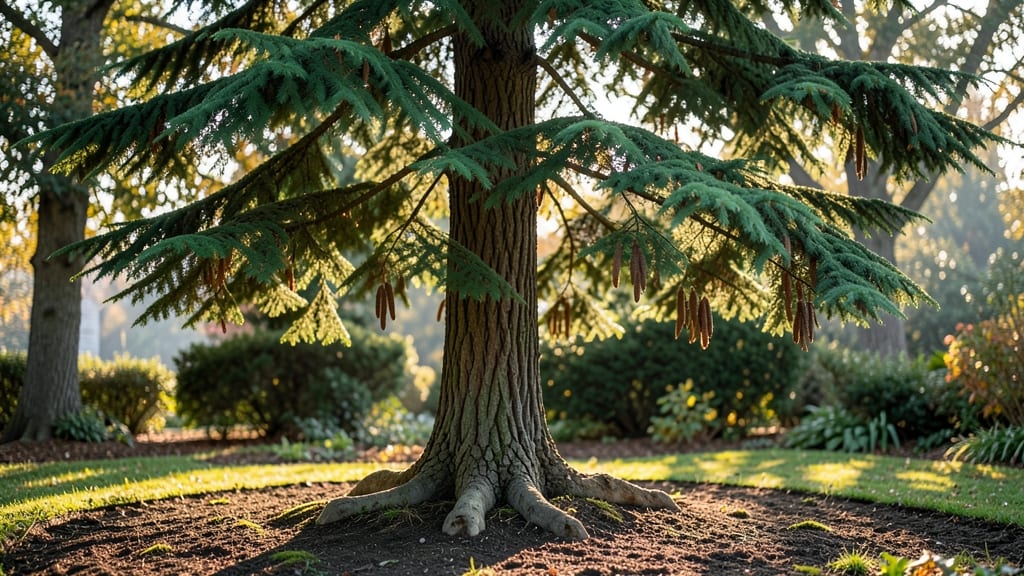
Bald cypress seed pods open naturally when ready—no twisting required. 🌲 I’ve watched them sway in the breeze, releasing seeds like tiny parachutes, and learned the best way to collect them without losing patience or seeds.
The key is timing: pods ripen in late fall, turning from green to a papery brown when they’re ready to harvest.
You’ll need a ladder or tall stool for those high branches, a bucket lined with burlap to catch seeds, and a pair of pruning shears for pods that won’t release easily. Once collected, store them in a cool, dry place—like a mesh bag in your garage—until you’re ready to sow.
The seeds stay viable for months, so you can propagate them whenever you’re ready to plant.
Germination is simple: scatter seeds in moist, well-draining soil in a sunny spot, then keep them damp until sprouts appear in about 2-4 weeks. Young seedlings love wet feet, so water regularly, and they’ll grow into stately trees with feathery foliage that turns copper in fall.
The challenge? Squirrels love these seeds—so act fast or use a wire mesh to protect your sowing area.
Once established, bald cypress thrives in full sun and moist soil, making it perfect for swamps, ponds, or even your backyard if you have wet soil. With patience, you’ll grow a tree that’s drought-tolerant, pest-resistant, and stunning year-round. Here’s how to make it happen without the guesswork.
📚 In This Guide
- What you need
- Instructions
- Tips and common mistakes
- Wrapping up and next steps
What you need
- ● Bald cypress seed pods: Mature, dried pods (typically found in late fall/winter). Aim for 10-20 pods depending on your project scale.
- ● Heavy-duty pruning shears or loppers: Bypass pruners (6-8" blade) for clean cuts. 1 pair recommended.
- ● Garden gloves: Leather or nitrile-coated for grip and protection. 1 pair (size medium/large).
- ○ Large bucket or mesh bag: 5-gallon capacity with holes for airflow. 1 unit (optional: label it!).
- ● Paper towels or newspaper: For drying seeds. 2-3 sheets per batch.
- ● Small hand trowel or spoon: For gently extracting seeds. 1 unit (plastic or metal).
- ● Spray bottle with water: Mist setting for humidifying pods. 8-16 oz capacity.
- ● Notebook & pen: To track pod maturity/dates. 1 notebook (or digital notes app).
- ● Seed tray or shallow container: 10x20" with drainage for seed germination (if propagating).
- ● Fine-mesh sieve: #10 or #16 mesh to separate seeds from debris. 1 unit.
- ● Humidity dome or plastic wrap: For creating a mini greenhouse effect.
- ● Camera or phone: To document pod stages or share your progress!
- ● Local plant ID guidebook: For verifying bald cypress pods vs. lookalikes.
How to extract and plant bald cypress seeds naturally
Here’s the easy way to open those stubborn seed pods and get your bald cypress trees growing—no brute force required.
🌱 Step 1: Harvest Mature Seed Pods
Look for pods that have turned a deep brown and feel dry to the touch—these are ready for seed collection. I like to harvest them in late fall or early winter when they’re fully mature but before they release seeds naturally. Use clean pruning shears to cut the pods directly from the tree, leaving a small stem attached.
Place the pods in a paper bag and let them dry indoors for a few days. This extra drying helps loosen the seeds inside. If you rush this step, the pods may still be too tight, and you’ll struggle to open them later. Patience here pays off—wait until they’re completely dry before proceeding.
💧 Step 2: Soak and Softened the Pods
Fill a large bowl with warm water and add the dried seed pods. Let them soak for 12-24 hours—this softens the fibrous material holding the seeds inside. I usually check them after 12 hours; if they still feel firm, give them another 6-8 hours. The goal is to make the pods pliable enough to twist open without damaging the seeds.
After soaking, gently squeeze one pod between your fingers. If it gives slightly and feels softer, it’s ready. If it’s still rock-hard, return it to the water for another hour. Over-soaking won’t hurt, but under-soaking means you’ll still fight to open them later.
✂️ Step 3: Release the Seeds Safely
Lay a pod flat on a clean cutting board or paper towel. Using your thumbs, gently press along one side of the pod while twisting it slightly. You’ll feel resistance at first, but as you apply steady pressure, the pod will begin to split open. Don’t force it—let the natural fibers give way gradually.
Once the pod opens, you’ll see small, flat seeds inside. Tap the pod gently to release any remaining seeds, then separate them from the fibrous material. I like to spread them out on a fresh sheet of paper towel to dry for another day before planting. This ensures they’re ready to handle without sticking together.
🪴 Step 4: Plant the Seeds for Germination
Fill small pots or seed trays with a well-draining mix of 50% peat moss and 50% perlite. Press the seeds lightly into the surface—no need to bury them deeply. Bald cypress seeds need light to germinate, so keep them just covered with a thin layer of soil or vermiculite. Mist the soil lightly with water to settle it around the seeds.
Place the pots in a warm, bright location with indirect light. Bald cypress seeds germinate best at 70-80°F, so a seedling heat mat can help if your space runs cooler. Keep the soil consistently moist but not soggy—water gently from the bottom to avoid displacing the seeds. Germination can take 2-4 weeks, so stay patient and check daily for the first signs of green.
☀️ Step 5: Transplant Seedlings Outdoors
Once seedlings reach 3-4 inches tall and have developed their first true leaves, they’re ready for transplanting. Harden them off by placing them outdoors in a shaded spot for 3-5 days, gradually increasing their exposure to sunlight each day. This helps them adjust to outdoor conditions without shock.
Choose a location with full sun to partial shade and moist, well-draining soil. Dig a hole slightly larger than the seedling’s root ball and plant it at the same depth it was growing in the pot. Water deeply after planting to help the roots settle. Bald cypress thrives in wet soil, so mulch around the base to retain moisture and protect the young roots.
Tips & tricks for perfect bald cypress seed release
Here's what nobody tells you about making those stubborn seed pods give up their treasures without the frustration.
Harvest Timing: The key to easy seed release starts with harvesting pods when they're truly mature but still intact. I've learned the hard way—if you harvest too early, the pods won't dry properly and you'll struggle to open them later. Aim for late fall when pods are deep brown and feel completely dry to the touch. This extra drying period (those few days indoors) makes all the difference when it comes time to soak them.
Soak Strategy: For that perfect 12-24 hour soak time, I recommend using warm water—not hot—because it penetrates the fibrous material more effectively. After 12 hours, test one pod: if it still feels firm, extend the soak by another 6-8 hours. The goal is pliable pods that yield easily without breaking. I've found that adding a splash of vinegar to the water helps soften the fibers even faster, though it's completely optional.
Seed Separation: When you finally open those pods, resist the urge to rush. Take your time to gently tap them to release all seeds, then spread them on paper towels for that extra drying day. This final drying step prevents seeds from sticking together, which makes planting so much easier. I've seen beginners skip this and end up with clumped seeds that won't separate properly in the soil.
Germination Environment: That 70-80°F range for germination is crucial—any cooler and you'll wait forever for sprouts. If your home runs cooler, invest in a small seedling heat mat for just a few dollars. And here's a pro move: place your seed trays on a bed of damp sphagnum moss instead of regular soil mix. The moss holds moisture perfectly while still allowing that crucial light exposure bald cypress seeds need to germinate.
Pro Tips for Bald Cypress Seed Pods
- Here's what nobody tells you about making those stubborn seed pods give up their treasures without the frustration.
- Harvest Timing: The key to easy seed release starts with harvesting pods when they're truly mature but still intact.
- Soak Strategy: For that perfect 12-24 hour soak time, I recommend using warm water—not hot—because it penetrates the fibrous material more effectively.
Frequently asked questions
Got questions about bald cypress seed pods?
You’re not alone! Here are some common queries—and their answers—to help you navigate the natural (and sometimes sticky) world of these unique seed pods.
When do bald cypress seed pods typically release their seeds?
Bald cypress seed pods usually release seeds in late fall or winter, around November through February. The timing can vary slightly based on your region’s climate. If pods stay on the tree past spring, they may have dried out naturally or need a little help (like gentle shaking) to release their seeds.
Why are my bald cypress seed pods sticking to everything?
Those pods release a sticky, resinous coating to help seeds adhere to water or soil for germination. If they’re clinging to your clothes, pets, or lawn tools, simply wipe them off with a damp cloth or let them dry—the stickiness fades over time. For stubborn residue, a little rubbing alcohol on a cotton ball works like a charm!
Can I collect bald cypress seeds from fallen pods?
Once pods turn brown and dry (usually in late fall), collect them and let them sit in a paper bag for a few days to release seeds. Store them in a cool, dry place until planting. Pro tip: Avoid collecting from pods still attached to the tree—they may not be fully mature.
Are bald cypress seed pods harmful to pets or kids?
Generally, no—the pods and seeds are non-toxic. However, the sticky residue can be annoying if it gets on fur or skin. If ingested in large amounts, it might cause mild stomach upset, but it’s rare. Keep an eye on curious pets or kids, and rinse off any residue with water if needed.
What’s the best way to remove seed pods without damaging the tree?
Use pruning shears or gloves to gently twist pods off the branches. Avoid yanking—they’re attached by a thin stem. If pods are high up, use a pole pruner or a long stick to dislodge them. Pro tip: Do this on a dry day to minimize mess and make cleanup easier!
Wrapping up and next steps
Bald cypress seed pods offer a unique and low-maintenance way to propagate these stunning trees—no twisting or wrestling required! By understanding their natural release process and learning a few simple techniques, you can easily collect and grow them in your landscape.
Whether you're a gardening novice or a seasoned pro, these resilient pods make tree propagation a breeze.
Ready to give it a try? Grab a few pods, follow the steps, and watch your bald cypress thrive! 🌳✨ Start small—plant one today and enjoy the rewards of nature’s effortless design tomorrow.