
Lawn
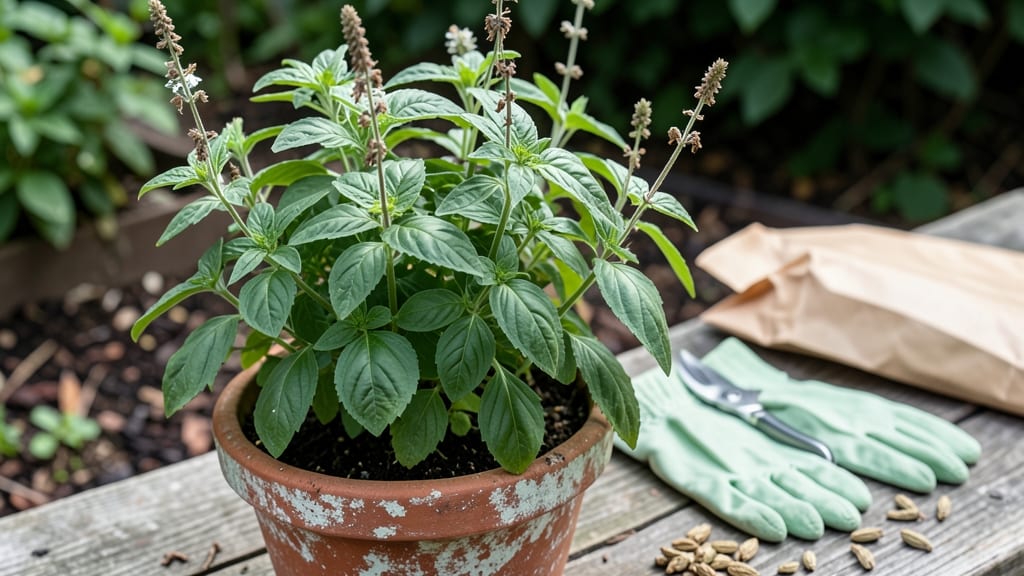
Harvesting basil seed pods before they shatter is the secret to saving seeds that actually grow. 🌱 I’ve learned the hard way—when those little pods burst open, you’re left with scattered seeds and empty dreams for next year’s garden.
The twist-resistant method I use now guarantees you’ll have fresh basil seeds ready for planting by spring.
Start by watching for those classic basil flowers to turn from white to a deep purple hue—that’s your cue they’re mature. Once the flowers fade, the pods form behind them. The key is to harvest them when they’re still green but starting to dry out on the plant.
If you wait too long, the pods will shatter and release seeds everywhere.
Once harvested, lay the pods on a tray in a dry, well-ventilated spot for about two weeks. They’ll turn brown and crispy, signaling it’s time to crack them open. Store the seeds in a cool, dark place, and they’ll stay viable for up to three years.
You’ll end up with a stash of seeds that produce plants just as vigorous as the ones you bought.
This method works for any basil variety, whether you’re growing sweet, Thai, or purple basil. The twist-resistant approach means no more seed loss and no more wasted effort. Next season, you’ll have fresh basil growing just like the pros do—starting from seeds you saved yourself.
📚 In This Guide
- What you need
- Instructions
- Tips and common mistakes
- Wrapping up and next steps
What you need
- ● Mature basil plants – Choose healthy, genuine basil (not just grocery-store varieties) with fully bloomed seed pods (typically 60-90 days after planting).
- ● Clean, sharp scissors or pruning shears – A bypass pruner (4-6 inch blade) works best to avoid crushing pods.
- ● Paper bags or breathable fabric sacks – 2-3 brown paper lunch bags (or mesh produce bags) for drying pods (one per 5-6 stems).
- ● Twist ties or rubber bands – Plastic-coated twist ties (10-15) to secure stems without crushing.
- ● Labeling tags or masking tape + marker – To mark basil varieties (e.g., "Genovese," "Thai") if saving heirloom seeds.
- ● Drying rack or screen – A wire cooling rack or elevated mesh screen (12x18 inches) for airflow.
- ● Small paper envelopes or airtight containers – For long-term seed storage (e.g., mason jars with silica packets).
- ● Desiccant packs – To absorb moisture in storage containers and extend seed viability.
- ● Hand lens or magnifying glass – For inspecting seeds post-drying (ensures no pests or mold).
- ● Spray bottle with water – To lightly mist pods if drying in a humid climate (prevents cracking).
- ● Seed catalog or notebook – To track harvest dates and variety traits for future planting.
How to harvest basil seed pods without breaking them
Here's the simple method I've used for years to save basil seeds—no fuss, no wasted blooms.
🌿 Step 1: Wait for Flowers to Fully Bloom and Form Seed Pods
Let your basil grow until it produces white or purple flowers—these are the key to next year's seeds. Don't harvest too early; wait until the flowers fade and small, green seed pods form in their place. These pods will swell slightly as they mature, turning from green to brownish when ready.
Check pods daily during the last week of flowering. You'll know they're ready when they feel slightly dry to the touch and the outer shell starts cracking open just a bit. If you pick them too soon, the seeds inside won't be fully developed.
✂️ Step 2: Snip Off Whole Seed Pods Gently
Use clean, sharp scissors or pruning shears to cut the entire seed pod cluster from the stem. Hold the stem firmly and cut just above where the pods meet the plant. This prevents damage to the basil leaves below and encourages more flowering.
Don't pull or twist the pods—they're delicate and will break easily. A clean cut ensures you get the whole pod intact, which is crucial for seed viability. Place the harvested pods in a paper bag or envelope to dry.
🪴 Step 3: Dry the Seed Pods Completely
Spread the pods out in a single layer on a dry, well-ventilated surface. I like to use a mesh screen or an old window screen to allow airflow from all sides. Keep them in a warm, dry place—70-75°F works best—out of direct sunlight, which can overheat them.
Drying takes about 1-2 weeks. You'll know they're ready when the pods are completely dry, brittle, and the outer shell splits open easily when pressed gently. If moisture remains, the seeds will mold.
🌱 Step 4: Extract and Store the Seeds
Once dry, gently rub the pods between your fingers or tap them lightly over a piece of paper to release the tiny black seeds. Basil seeds are tiny, so be patient—some may stick to the pod. Collect all the seeds with a small brush or your fingers.
Store the seeds in a labeled envelope or small glass jar in a cool, dark place. They'll stay viable for 2-3 years if kept dry. Label the jar with the variety and harvest date—basil seeds are so small, you'll forget which is which!
⏰ Step 5: Return to the Garden (Optional)
After harvesting, give your basil plant a light trim to encourage new growth. Remove any remaining flower stems to redirect energy back into leaf production. With proper care, your basil may produce another round of flowers and pods before the season ends.
Here's the thing—if you miss the first harvest, don't stress. Some seeds may still mature in later pods, though they won't be as vigorous. The key is consistency: check your plants weekly once flowering begins.
Tips & tricks for perfect basil seed pod harvesting
A few simple tricks will help you avoid common mistakes and get the most viable seeds from your basil plants.
Timing is Everything: In Step 1, those daily checks during the last week of flowering are crucial. The pods need to be just right—slightly dry but not fully brown. I've learned the hard way that harvesting too early means immature seeds, while waiting too long risks the pods shattering on the plant. Look for that perfect moment when the outer shell starts cracking open just a bit—this is your cue to harvest.
Tool Selection Matters: For Step 2, don't underestimate the importance of sharp scissors. Dull blades crush the delicate pods, reducing seed viability. I keep a dedicated pair of pruning shears just for harvesting—clean, sharp, and ready to go. If you don't have sharp tools, use clean nail clippers in a pinch, but avoid fingers that can bruise the pods.
Drying Conditions: The 70-75°F temperature range in Step 3 is ideal because it's warm enough to dry the pods quickly but not so hot that it causes them to overheat. I've found that placing a small fan nearby speeds up the process without risking heat damage. Just avoid direct sunlight, which can cause uneven drying and potential mold growth.
Seed Extraction Technique: When you reach Step 4, be patient with the seed extraction. I've tried using a rolling pin, but it often crushes some seeds. Instead, I gently tap the pods over a sheet of paper and then use a soft paintbrush to collect any stray seeds. This method preserves more seeds than aggressive rubbing.
Pro Tips for Basil Seed Pods
- A few simple tricks will help you avoid common mistakes and get the most viable seeds from your basil plants.
- Timing is Everything: In Step 1, those daily checks during the last week of flowering are crucial.
- Tool Selection Matters: For Step 2, don't underestimate the importance of sharp scissors.
Frequently asked questions
Got questions about harvesting basil seed pods?
You’re not alone! Here are some of the most common queries—plus straightforward answers to help you master the process without stress.
How do I know when basil seed pods are ready to harvest?
Basil seed pods are ready when they turn light brown and split open slightly—usually 4–6 weeks after flowering. If you wait too long, the seeds may scatter or lose viability. Harvest in the morning when humidity is low for the best results.
Can I save basil seeds from store-bought basil?
No, store-bought basil is often treated with chemicals or grown from hybrid varieties that won’t produce viable seeds. For seed-saving success, use seeds from organic, heirloom, or homegrown basil plants—or buy untreated seed packets labeled for propagation.
How long do harvested basil seed pods stay good?
Properly dried and stored basil seeds remain viable for 1–2 years if kept in a cool, dark, and dry place (like a sealed jar in the fridge or freezer). For best germination, use them within the first year.
What if my basil seed pods won’t open naturally?
If pods stay closed, try gently squeezing them between your fingers or tapping them lightly on a hard surface. Avoid force—overhandling can damage seeds. If they’re still stubborn, let them dry longer (up to 2 weeks) in a well-ventilated spot.
Are there alternatives if I can’t get basil seed pods?
Yes! If harvesting isn’t an option, buy basil seeds online or from garden centers. For immediate use, try dried basil leaves or pesto made from fresh basil—just skip the seed-saving step!
Wrapping up and next steps
Harvesting basil seed pods the right way ensures abundant blooms next season while keeping your plants healthy and productive. By using gentle, twist-resistant techniques and storing pods properly, you’ll set the stage for a thriving garden. Now’s the time to put your new skills into action!
🌱 Your Next Steps:
- Grab your tools and head to the garden—harvest those pods before they dry on the plant!
- Share your success (or tips) with fellow gardeners—community knowledge grows gardens!
- Experiment with storage methods to see what works best for your climate.
Happy harvesting—your future basil blooms will thank you! 🌿