
Lawn
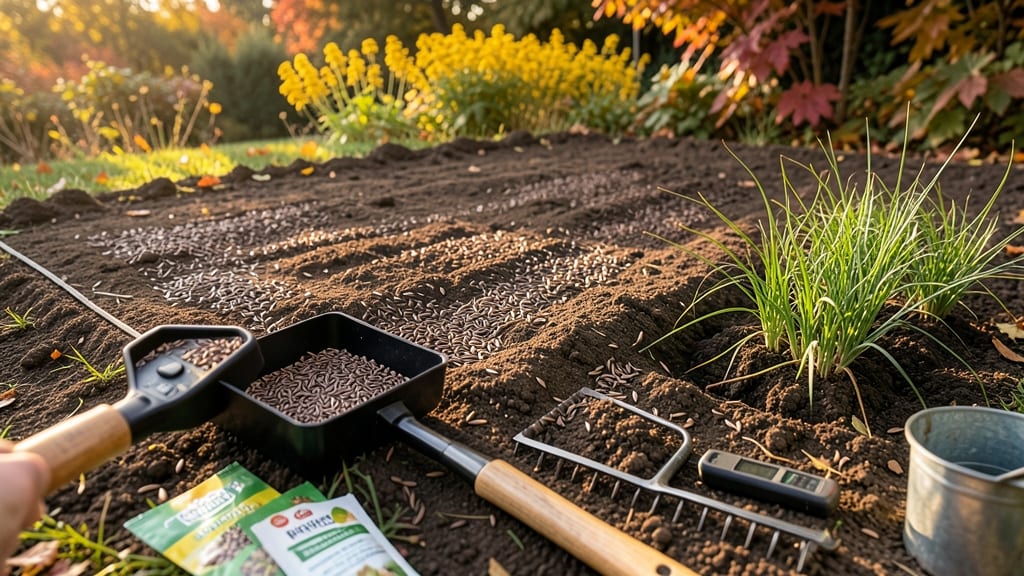
Fall seeding is your secret weapon for a thicker, greener lawn next spring—just don’t wait too late. 🌱 The best time to seed grass in fall depends on your climate, but most regions hit the sweet spot between mid-September and early November, when soil stays warm but air cools.
This window lets grass roots establish deep before winter slows growth, while weeds are still dormant and competition is minimal.
Prep is everything: rake out debris, loosen soil, and level the area first—skipping this step means uneven germination. In cooler zones (like mine in Zone 5), aim for when daytime temps hover around 60-70°F—hotter than that, and seeds dry out too fast.
The key is consistent moisture after planting; a light mulch of straw helps retain it while protecting young sprouts from drying winds.
What you’ll get is a lawn that outperforms spring seeding by miles—fewer weeds, stronger roots, and less watering needed once established. My first fall-seeded patch went from bare spots to lush in just 6 weeks, and it’s held up through droughts better than any spring attempt.
The trick? Don’t rush—wait for that perfect window, and the grass will thank you.
Works for all grass types (cool-season especially), but adjust timing for southern climates—seed earlier there to avoid winter frosts. Here’s how to nail it without the common pitfalls most gardeners make.
📚 In This Guide
- What you need
- Instructions
- Tips and common mistakes
- Wrapping up and next steps
What you need
- ● Grass seed: Choose a high-quality, cool-season blend (e.g., tall fescue, Kentucky bluegrass, or perennial ryegrass). Quantity: 5–10 lbs per 1,000 sq ft (follow package instructions for your specific grass type).
- ● Lawn mower: Set blades to 1–2 inches for optimal seed-to-soil contact.
- ● Rake: Bow rake: For removing debris and leveling soil (use a 12–18-inch model).
- ○ Garden rake: For breaking up compacted soil (optional but helpful).
- ● Soil tester kit: Check pH (ideal range: 6.0–7.0 for most cool-season grasses). Adjust with lime (if needed).
- ● Starter fertilizer: Low-nitrogen, high-phosphorus blend (e.g., 10-20-10 ratio). Quantity: 0.5–1 lb per 100 sq ft.
- ● Water source: Hose with a gentle spray nozzle or sprinkler system (capable of 0.25–0.5 inches of water/day).
- ○ Mulch or straw: Lightweight (¼-inch thick) to retain moisture and protect seeds (optional but recommended).
- ● Seed spreader: Broadcast or drop spreader for even distribution (manual or battery-powered for large areas).
- ● Soil conditioner: Compost or peat moss (¼-inch layer) to improve drainage and seed contact.
- ● Erosion control blanket: For slopes or bare spots to prevent seed washout.
- ● Weed blocker: Pre-emergent herbicide (applied after seeding) to suppress weeds without harming grass.
- ● Lawn roller: Lightweight (50–100 lbs) to press seed into soil (use sparingly!).
Step-by-step guide for fall grass seeding success
Timing is everything—here’s how to nail the perfect window for strong, resilient lawn growth.
🌱 Step 1: Determine Your Local Last Frost Date
Start by checking your local average last frost date—this is your anchor. Grass seed needs 4-6 weeks to establish roots before winter slows growth. I always seed 6-8 weeks before the first hard frost, which typically falls between mid-October and early November in most regions. For example, if your frost date is November 15th, aim to seed by October 1st.
Use a reliable weather source or ask your local nursery for precise dates. This window ensures seedlings have time to develop deep roots before dormancy sets in. If you seed too early, summer heat can stress young plants, while seeding too late risks weak growth before winter.
☀️ Step 2: Choose the Right Time of Day and Weather
Pick a day with cool temperatures (50-65°F) and light rain in the forecast—this is ideal for germination. I avoid seeding on days with high winds or extreme heat, as both can dry out soil too quickly. Early morning is the best time to spread seed, so it has all day to settle into the soil before evening dew.
If rain isn’t in the forecast, water the area lightly the day before seeding to moisten the soil. You’ll see the perfect conditions when the ground feels damp but not soggy—like a wrung-out sponge. This ensures the seed makes good contact with the soil and stays hydrated during the critical first few days.
💧 Step 3: Prepare the Soil and Seed Evenly
Rake the soil to create a fine, level surface—this helps seed-to-soil contact and prevents clumping. I use a stiff-bristle rake to break up any compacted areas, then lightly scratch the soil to create tiny furrows for the seed. Spread the seed evenly using a broadcast spreader or by hand, following the package’s recommended rate for your grass type.
Don’t bury the seed—just press it lightly into the soil with a lawn roller or the back of a rake. Covering it too deeply can delay germination. After seeding, water gently but thoroughly to settle the seed into the soil. You’ll know you’ve done it right when the soil looks uniformly moist without puddling.
⏰ Step 4: Water Consistently for 4-6 Weeks
Keep the soil consistently moist for the first 4-6 weeks—this is non-negotiable. Water lightly every day (or twice daily if temperatures are high) to keep the top inch of soil damp. Overwatering can lead to runoff, while underwatering causes seed to dry out. I set a timer to remind myself, as it’s easy to forget during busy fall weeks.
Once the grass reaches 2-3 inches tall, you can gradually reduce watering to 1-2 times per week, depending on rainfall. Watch for signs of stress like yellowing or wilting—these are your cues to adjust. Strong fall seedlings will handle winter better and emerge lush in spring.
🌿 Step 5: Monitor and Adjust for Winter Readiness
As temperatures drop, reduce watering further but keep the soil from drying out completely. Grass goes dormant in winter, but roots need moisture to survive. I check the soil weekly—if it’s dry 1 inch below the surface, a light watering is enough. Avoid heavy watering once temperatures consistently drop below 40°F.
If frost hits, don’t panic—it won’t harm established roots. Instead, focus on keeping the soil from freezing solid. A thin layer of straw mulch (if your grass type allows it) can insulate the soil and protect seedlings. By spring, your lawn will reward you with thick, vibrant growth if you’ve nailed these steps.
Tips & tricks for perfect fall grass establishment
These game-changing strategies will help you avoid common pitfalls and get that thick, resilient lawn every gardener dreams of.
Timing is Everything: The 6-8 week window before your last frost date is non-negotiable for deep root growth. I learned this the hard way—seeding too late one fall left my lawn patchy and weak through winter. Check your local frost dates and mark your calendar now! If you're unsure, ask your local nursery—they'll know your microclimate better than any app.
Weather Watch: Those perfect 50-65°F temperatures are your golden window for seeding. I always check the forecast for light rain—it's nature's way of watering your new lawn! If rain isn't in the forecast, water the area lightly the day before seeding. Think of it like prepping for a spa day—your soil needs to be relaxed and hydrated before the big event.
Soil Prep Secret: Don't just rake—scratch the soil lightly to create tiny furrows for the seed. This gives each tiny seedling its own little bed to settle into. I use a stiff-bristle rake and make sure to break up any compacted areas. The goal is to create a surface that feels like fine sandpaper—not too rough, but not smooth either.
Watering Wisdom: That first 4-6 weeks of daily watering is critical, but don't drown your new lawn! Light, frequent watering keeps the top inch of soil consistently damp—like wringing out a sponge. I set a timer on my phone as a reminder, because let's be honest, we all forget when we're busy. Once your grass reaches 2-3 inches, you can ease up to 1-2 times per week, depending on rainfall.
Pro Tips for Best Time To Seed Grass In Fall
- These game-changing strategies will help you avoid common pitfalls and get that thick, resilient lawn every gardener dreams of.
- Timing is Everything: The 6-8 week window before your last frost date is non-negotiable for deep root growth.
- Weather Watch: Those perfect 50-65°F temperatures are your golden window for seeding.
Frequently asked questions
Got questions about seeding grass in the fall?
You’re not alone! Here are answers to the most common concerns—so you can tackle your lawn with confidence.
What’s the exact window for fall seeding?
The ideal time is 4–6 weeks before your first hard frost (typically late August to mid-October in most U.S. regions). Check your local frost date—cool soil (60–75°F) and warm days help seeds germinate without stressing new grass. Need help finding your frost date?
Can I seed grass if the weather turns cold too soon?
If frost hits before germination (usually 7–21 days), cover seeds with straw or mulch to insulate them. Avoid seeding if nighttime temps drop below 40°F—new grass won’t survive. Wait until spring if the window closes early!
Is fall seeding cheaper than spring?
Yes! Fall often costs 10–20% less than spring due to lower demand, fewer pests, and better germination rates. Plus, you’ll skip spring’s rushed schedules and higher material prices. Pro tip: Buy seeds early in summer for the best deals!
What if my lawn already has weeds or bare spots?
Fall is perfect for pre-seeding prep! Rake out weeds, loosen soil, and apply a light layer of compost. For stubborn weeds, spot-treat with vinegar (for organic lawns) or herbicide 2–3 weeks before seeding to avoid harming new grass.
Can I overseed an existing lawn in fall?
Fall overseeding thickens thin grass and fills bare patches. Mow low (1–1.5 inches), rake lightly, and spread seed evenly. Water gently to avoid washing seeds away. Bonus: It’s easier than spring because weeds are less aggressive!
What if my grass doesn’t grow after seeding?
Check these fixes:
- Watering issues: Keep soil consistently moist (not soggy) for 2–3 weeks.
- Poor soil contact: Lightly rake seeds into soil if they’re too dry.
- Wrong seed type: Cool-season grasses (like fescue) thrive in fall; warm-season (like Bermuda) need spring.
- Pests: Birds or insects? Try a light netting or repellent.
Wrapping up and next steps
Fall is the perfect time to seed your lawn—cool temps, fewer weeds, and ideal moisture create the best conditions for deep root growth.
By choosing the right window (mid-August to early October, depending on your zone) and following best practices, you’ll set your grass up for a lush, resilient spring. 🌱
Ready to transform your yard? Grab your supplies, check the forecast, and get started—your future lawn will thank you! Pro tip: Mark your calendar for next year’s seeding date to stay ahead of the game. 📅✨