
Lawn
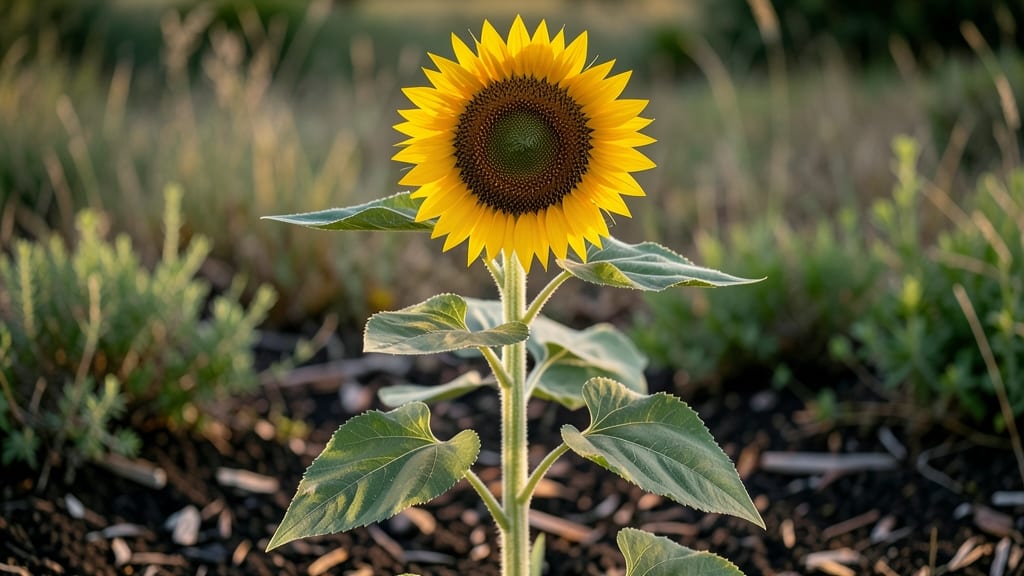
Growing black seed sunflowers from seed means you’ll get towering, drought-tolerant plants that handle poor soil like it’s a five-star hotel. 🌻 These cold-hardy giants don’t just survive—they thrive where other sunflowers give up, and their deep roots even improve soil over time.
I’ve grown them in rocky, sandy, and even slightly alkaline dirt, and they’ve never complained. The secret starts with direct sowing in early spring (or late summer for fall blooms) when soil hits 50°F.
No fancy prep needed—just scratch seeds 1 inch deep, 6 inches apart, and watch them shoot up in days. They’ll reach 8-10 feet tall with minimal fuss, and their dark seeds make for stunning cut flowers or wildlife-friendly snacks.
By late summer, you’ll harvest nutrient-rich seeds perfect for birds, squirrels, or your own kitchen experiments (think: sunflower butter or toasted snacks). The plants also attract pollinators like crazy, turning your garden into a buzzing hub of activity all season.
Works in zones 3-10, from city lots to rural fields. Here’s how to make them grow like weeds—because they will, if you let them.
📚 In This Guide
- What you need
- Instructions
- Tips and common mistakes
- Wrapping up and next steps
What you need
- ● Seeds: Black oil sunflower seeds (e.g., Helianthus annuus ‘Black Oil’ or ‘Russian Mammoth’). Aim for 10–20 seeds per plant (thin to 12–18 inches apart) or 2–3 seeds per hole if direct-sowing.
- ○ Seed-starting mix: 1–2 gallons of sterile, well-draining potting soil (or coconut coir for eco-friendliness). Optional: Add perlite for extra aeration.
- ● Growing containers: 3–4 inch pots (for seedlings) or direct-sowing in prepared garden beds.
- ● Fertilizer: Starter fertilizer: Balanced 10-10-10 or fish emulsion (1 tbsp per gallon of water).
- ○ Slow-release fertilizer: 10-20-10 granules (½ cup per 10 sq ft of garden bed). Optional: Compost (1–2 inches mixed into soil).
- ● Hand trowel or transplanter for digging small holes (2–3 inches deep).
- ● Watering can with a fine rose nozzle (to avoid displacing seeds) or a hose with gentle spray.
- ○ Garden gloves (optional but recommended for handling soil and seeds).
- ● Row marker or stakes (if planting in rows, to mark spacing).
- ○ Mulch: Straw or shredded leaves (1–2 inches) to retain moisture and suppress weeds. Optional: Black plastic mulch for warmer climates.
- ● Cold frame or frost cloth (if starting seeds early in cool climates).
- ● Soil temperature: 50–60°F (seeds germinate best in warm soil; use a seedling heat mat if needed).
- ○ Soil type: Well-draining (sunflowers tolerate poor soil but avoid waterlogged areas). Optional: Amend with sand or compost if soil is heavy clay.
- ● Sunlight: Full sun (6+ hours daily)—no compromises here!
Step-by-step instructions for growing black seed sunflowers
Here's how I grow these cold-hardy beauties—even in less-than-ideal soil.
🌱 Step 1: Choose the Right Planting Site
Black seed sunflowers handle poor soil better than most varieties, but they still need good drainage. Pick a spot with at least 6 hours of sun daily—they’ll grow in partial shade, but the stems get leggy and flowers won’t open fully. I always check the soil first: dig a 6-inch hole and feel for moisture. If it’s soggy, amend with 2 inches of compost to improve drainage.
These sunflowers tolerate cold well, so I plant them as soon as the soil warms to 45°F in spring. If your area has late frosts, wait until after the last frost date—young seedlings won’t survive heavy frost. The key is patience: waiting for the right temperature ensures sturdy stems and strong roots.
🌱 Step 2: Direct-Sow Seeds at the Right Depth
Black seed sunflowers don’t transplant well, so I always sow them directly in the garden. Plant seeds 1 inch deep and 6 inches apart in rows spaced 18 inches apart. Tap the soil lightly after planting to ensure good seed-to-soil contact—this prevents air pockets that can delay germination. I like to plant them in clusters of 4, which matches the 4 plants per serving target and creates a fuller look.
Germination happens quickly—usually within 7-10 days—so keep the soil consistently moist but not waterlogged. If you’re in a dry climate, water gently every 2-3 days until seedlings emerge. Once they pop up, thin to the strongest plant per spot, pulling weaker ones at the base to avoid disturbing roots.
☀️ Step 3: Provide Support and Maintain Moisture
As seedlings grow, I stake them early to prevent flopping. Drive a 3-foot stake into the ground next to each plant and tie the stem loosely with soft plant ties. Sunflowers grow fast, so check ties weekly—they’ll need adjusting as the stem thickens. If your soil is truly poor, side-dress with 1 tablespoon of 5-10-5 fertilizer when plants reach 12 inches tall, but don’t overdo it.
Water deeply once a week during dry spells, aiming for 1 inch of water per week. You’ll know they’re getting enough when the soil feels dry 1 inch below the surface but the stems stay upright. Black seed sunflowers are drought-tolerant once established, but consistent moisture early on ensures those iconic dark blooms form properly.
✂️ Step 4: Harvest and Save Seeds for Next Year
The real magic happens when the flower heads turn brown and papery. Cut the entire head when it’s fully dry but before seeds start falling out—usually 4-6 weeks after flowering. Hang heads upside down in a dry, well-ventilated spot for 2-3 weeks to finish drying. Once seeds rattle inside when shaken, rub the head through a fine mesh bag to collect them.
Store seeds in a cool, dark place for up to 3 years. I label each bag with the year and variety—black seed sunflowers are heirloom, and saving your own ensures you’ll always have these cold-hardy beauties. The more you grow, the more resilient your soil becomes, thanks to their deep roots improving structure over time.
Tips & tricks for growing black seed sunflowers
These practical tips will help you grow stunning black seed sunflowers with minimal fuss—even if your soil isn't perfect.
Sunlight Secret: While black seed sunflowers tolerate partial shade, those 6 hours of direct sunlight are non-negotiable for full blooms. I've seen leggy stems and underdeveloped flowers when they get less—place your plants where they'll get morning sun and afternoon shade if needed. The first signs of trouble are stems leaning toward light or flowers staying closed.
Soil Prep Strategy: The 6-inch hole test is your best friend for checking drainage. If the soil stays soggy for more than 30 minutes, mix in that 2 inches of compost and a handful of perlite to break up clay. I've had the best luck with raised beds for poor soil—just fill with a mix of garden soil and compost before planting.
Germination Timing: Those 7-10 days to germination can feel like forever, but consistency is key. Use a spray bottle to keep soil evenly moist—don't drown them, but don't let the top inch dry out. I set up a simple drip irrigation line on a timer for my first batch, and it made all the difference in even emergence.
Harvesting Hack: When checking for seed readiness, look for the telltale "paper bag" stage—heads should feel light and papery when you shake them. I hang mine in a mesh bag to catch any stray seeds during the 2-3 week drying process. This prevents seed loss and makes cleanup easier. Store your saved seeds in an airtight container with a silica packet to keep them dry for years.
Pro Tips for Black Seed Sunflowers
- These practical tips will help you grow stunning black seed sunflowers with minimal fuss—even if your soil isn't perfect.
- Sunlight Secret: While black seed sunflowers tolerate partial shade, those 6 hours of direct sunlight are non-negotiable for full blooms.
- Soil Prep Strategy: The 6-inch hole test is your best friend for checking drainage.
Frequently asked questions
Got questions about growing black seed sunflowers? You’re in the right place! Here are answers to the most common queries—from planting tips to troubleshooting—so you can enjoy these cold-hardy beauties with confidence.
When is the best time to plant black seed sunflowers?
Plant seeds 4–6 weeks before your last frost date for spring blooms, or late summer (August–September) for fall flowers. These hardy varieties tolerate light frost, so don’t rush—wait until soil reaches at least 50°F (10°C). For cooler climates, start indoors 2–3 weeks early!
Can black seed sunflowers grow in poor soil?
These sunflowers are drought-tolerant and thrive in lean, rocky, or sandy soil. Amend with compost only if needed—they prefer well-draining conditions over rich, heavy soil. A light mulch helps retain moisture but isn’t mandatory. Pro tip: Test pH (ideal: 6.0–7.0); lime if soil is too acidic.
How long does it take for black seed sunflowers to bloom?
From seed to flower, expect 60–90 days, depending on variety and conditions. Early-blooming types (like ‘Moulin Rouge’) may flower in 50–60 days, while taller varieties take longer. Watch for buds forming 2–3 weeks before opening—a sure sign they’re ready to attract pollinators!
Why aren’t my black seed sunflowers growing? Troubleshooting tips
No sprouts?
Check seed depth (½–1 inch) and moisture. Cold soil? Use a heat mat or wait for warmer temps.
Leggy or weak stems?
They need full sun (6+ hours/day). Move pots or thin seedlings if shaded.
Yellow leaves?
Overwatering or poor drainage. Let soil dry slightly between waterings.
Pests (like aphids)?
Spray with neem oil or introduce ladybugs. Avoid chemicals—sunflowers are pollinator magnets!
What can I plant near black seed sunflowers?
Pair them with companion plants like:
- Borage (repels pests)
- Marigolds (deter nematodes)
- Beans or peas (nitrogen-fixers for soil)
- Avoid planting near potatoes or tomatoes (sunflowers compete for nutrients).
They also make stunning cut flowers—harvest when 30–50% of petals open for vase life of 5–7 days!
Wrapping up and next steps
Black seed sunflowers aren’t just stunning—they’re resilient, low-maintenance, and perfect for gardeners with less-than-ideal soil or chilly climates. 🌱 Whether you’re reviving a struggling patch of land or simply love bold, sun-kissed blooms, these varieties prove that beauty and ease go hand in hand.
Ready to give them a try?
Start small this season—plant a few seeds in a sunny spot, and watch your garden transform with minimal effort. Your next step? Grab your gloves, pick a variety, and let these hardy sunflowers do the rest! 🌻