
Propagation
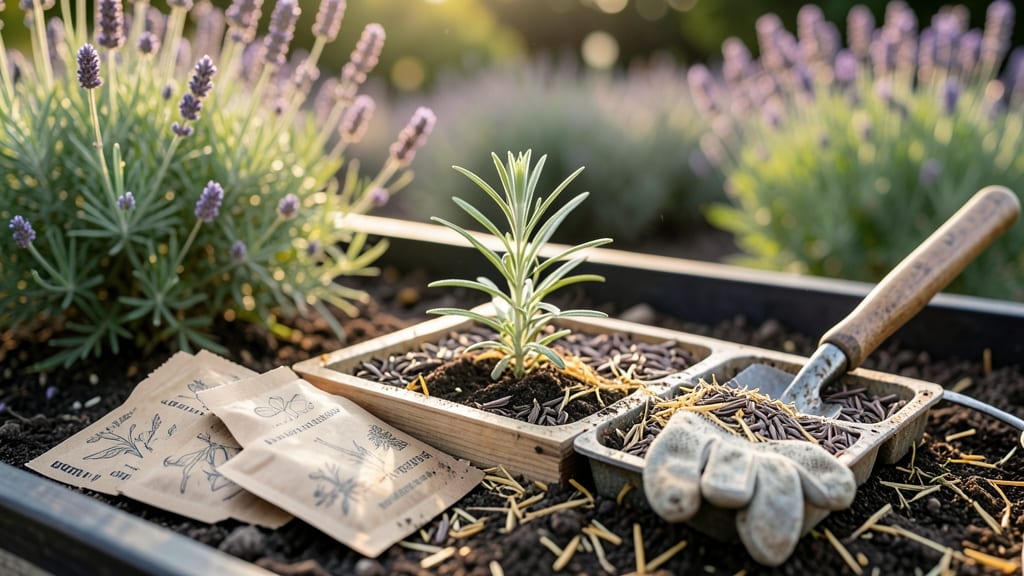
Growing lavender from seed outdoors requires patience and a little winter magic. ✨ The key is cold stratification—letting seeds experience natural winter chills before spring planting. This mimics how lavender grows in the Mediterranean, where cold winters trigger germination.
Most seeds need 6-8 weeks in the fridge before planting, but some varieties germinate better after an entire winter outdoors. Start with well-draining soil and full sun—lavender hates soggy roots and partial shade. The first true leaves appear in 4-6 weeks, but blooms take a full year.
You’ll end up with hardy plants that thrive in drought, repel pests, and fill your garden with that signature fragrance. The payoff is worth the wait—imagine purple spikes blooming by next summer. Works best in zones 5-9, but even colder climates can try it with extra winter protection.
Here’s how to make it happen!
📚 In This Guide
- What you need
- Instructions
- Tips and common mistakes
- Wrapping up and next steps
What you need
- ● Lavender seeds: Choose Lavandula angustifolia (English lavender) or Lavandula x intermedia (hybrid lavender) for best outdoor success. Buy 1 packet (500–1,000 seeds) from a reputable supplier.
- ● Cold-stratification setup: Paper towel or damp sand: 1–2 sheets or a small container (quart-size) of moistened sand.
- ● Plastic bag or airtight container: Large enough to hold seeds + moisture source.
- ● Refrigerator: Set to 34–40°F (1–4°C) for stratification.
- ● Seed-starting trays: 2–4 cell packs (biodegradable or plastic) with drainage holes.
- ● Seed-starting mix: 1 quart of sterile, well-draining potting mix (add 20% perlite or coarse sand for aeration).
- ● Spray bottle: For gentle watering (16 oz with a fine mist nozzle).
- ● Grow lights or sunny windowsill: A 12–16" fluorescent grow light or a south-facing window (6+ hours of light/day).
- ○ Heat mat (optional but helpful): 1 small mat (10x20") set to 70–75°F (21–24°C) to speed germination.
- ● Outdoor garden bed or containers: Well-draining soil: Amend with 50% compost and 30% coarse sand/gravel (lavender hates soggy roots!).
- ● Containers (if not in-ground): 5–7" diameter pots with drainage holes (1 per seedling).
- ● Gloves: Protect hands from prickly lavender stems (nitrile or gardening gloves).
- ● Small hand trowel: For transplanting seedlings (4–6" long).
- ● Pruning shears: To trim leggy seedlings (sharp, bypass-style for clean cuts).
- ○ Mulch (optional): Straw or gravel to retain moisture and deter weeds.
- ● pH test kit: Ensure soil pH is 6.5–7.5 (lavender prefers slightly alkaline).
Step-by-Step instructions for growing lavender from seed outdoors
Cold stratification is the secret to breaking lavender’s stubborn dormancy—here’s how to do it right.
🌱 Step 1: Collect and Prepare Lavender Seeds
Start with fresh lavender seeds—store-bought seeds lose viability quickly. If harvesting from a mature plant, collect seeds from dried flower heads in late summer or early fall. Place them in a paper bag and let them dry completely for 2-3 weeks in a warm, dry place. This mimics nature’s drying process and prevents mold.
Once dry, remove seeds from the flower heads by gently rubbing them between your fingers. You’ll see tiny, brown, papery seeds about the size of a pinhead. Store them in an airtight container in a cool, dark place until you’re ready to stratify. Lavender seeds need this dormancy-breaking step to germinate—skipping it means waiting years for sprouts.
❄️ Step 2: Cold-Stratify Seeds for 6-8 Weeks
Place the seeds in a sealed plastic bag with a damp paper towel—just enough moisture to keep the towel damp, not soggy. Seal the bag and refrigerate it for 6-8 weeks. Check the towel weekly and mist it with water if it dries out. This cold treatment mimics winter’s natural stratification and signals the seeds that it’s time to grow.
After 6 weeks, remove the bag and let the seeds sit at room temperature for 1-2 days to warm up. This gradual transition prevents shock. You’ll know stratification worked when you see the first tiny green shoots—usually within 2-4 weeks after removing them from the fridge. If no sprouts appear after 8 weeks, try another batch of seeds.
🪴 Step 3: Sow Stratified Seeds in Outdoor Beds
Choose a sunny, well-draining spot with full sun exposure—lavender hates soggy roots. Work 1 inch of coarse sand or perlite into the top 6 inches of soil to improve drainage. Scatter the stratified seeds on the surface, pressing them lightly into the soil with your finger—lavender seeds need light to germinate, so don’t bury them.
Space seeds 12-18 inches apart to give seedlings room to grow. Lightly cover them with a thin layer of sand or fine gravel to protect them from birds and keep moisture consistent. Water gently with a spray bottle until the soil is barely damp—lavender seeds rot if overwatered. Keep the bed moist but never wet until germination.
☀️ Step 4: Care for Seedlings Until First True Leaves
Once seedlings emerge—usually in 4-6 weeks—reduce watering to once a week. Lavender is drought-tolerant, and overwatering kills it faster than underwatering. You’ll know they’re thriving when they develop first true leaves (the second set after the initial cotyledons). At this stage, thin seedlings to 6 inches apart to prevent overcrowding.
Apply a balanced fertilizer (10-10-10) lightly around the base of the plants when they’re 3-4 inches tall. Too much fertilizer makes lavender leggy and weak. Mulch with 1 inch of gravel to retain moisture and deter weeds—organic mulch retains too much dampness and invites rot.
⏰ Step 5: Harden Off and Transplant Young Plants
After 8-10 weeks, when seedlings have 4-6 true leaves and are 4-6 inches tall, they’re ready for their permanent spot. Choose a location with 6+ hours of direct sun daily—lavender won’t bloom well in shade. Dig holes twice as wide as the root ball but no deeper.
Transplant on a cloudy day or in the late afternoon to reduce stress. Water deeply after planting to settle the soil, but avoid soaking the roots. Lavender establishes slowly—don’t expect blooms until the second year. Prune lightly after flowering to encourage bushier growth, but never cut into old wood, or the plant won’t recover.
Tips & tricks for perfect lavender growth from seed
These little-known gardening secrets will help you skip the common pitfalls and grow thriving lavender plants from the start.
Timing is Everything: Don't rush the 2-3 week drying period in Step 1—this mimics nature's drying process and prevents mold. I learned this the hard way after trying to speed it up and ending with seeds that wouldn't germinate. Place your paper bag in a warm, dry spot (like on top of your fridge) and check weekly for complete dryness. The seeds should feel crisp and papery, not at all damp.
Stratification Hack: For the 6-8 week cold treatment in Step 2, I recommend placing your sealed bag in the crisper drawer of your refrigerator rather than the main compartment. The crisper maintains more consistent humidity, which prevents the paper towel from drying out between weekly checks. If you're short on time, you can extend the cold treatment up to 12 weeks—some seeds need extra dormancy-breaking time, especially if they're older.
Sun and Soil Secrets: When preparing your outdoor bed in Step 3, test your soil's drainage first. Dig a hole about 6 inches deep, fill it with water, and time how long it takes to drain. If it takes longer than 10 minutes, you'll need to add more sand or perlite to improve drainage. Lavender roots rot quickly in soggy soil, and this simple test prevents that heartbreaking failure. Also, avoid planting near trees—their roots compete aggressively for water and nutrients.
Watering Wisdom: In Step 4, resist the urge to overwater after germination. Lavender is famously drought-tolerant, and seedlings actually need less water than you'd think. Once they develop their first true leaves, switch to watering only when the top 1 inch of soil feels dry. I use a moisture meter for my seedlings—it's the only way to avoid guesswork with these sensitive plants. Overwatering is the #1 reason lavender seedlings fail.
Pro Tips for Growing Lavender From Seed Outdoors
- These little-known gardening secrets will help you skip the common pitfalls and grow thriving lavender plants from the start.
- Timing is Everything: Don't rush the 2-3 week drying period in Step 1—this mimics nature's drying process and prevents mold.
- Stratification Hack: For the 6-8 week cold treatment in Step 2, I recommend placing your sealed bag in the crisper drawer of your refrigerator rather than the main compartment.
Frequently asked questions
Got questions about growing lavender from seed? You’re not alone—this fragrant herb has a few quirks! Here are answers to the most common concerns to help you cultivate thriving plants with confidence.
How long does it take for lavender seeds to germinate?
Patience is key! Lavender seeds can take 3 to 6 weeks (or even longer) to sprout, especially if cold-stratified properly. Keep soil consistently moist and warm (around 70°F) to encourage germination. If nothing appears after 8 weeks, don’t worry—some varieties are slow starters.
Can I skip cold stratification and still grow lavender?
Cold stratification mimics winter conditions and breaks seed dormancy, which is critical for lavender. Without it, germination rates drop dramatically. If you’re impatient, try soaking seeds in warm water for 24 hours before planting, but success isn’t guaranteed. For best results, stick with the cold-stratification method!
Why aren’t my lavender seedlings growing tall?
Lavender grows slowly—don’t rush it! Seedlings focus on root development first, so expect minimal height gain for the first 6–12 months. Ensure they get full sun (6+ hours/day) and well-draining soil. Overwatering or crowded pots can stunt growth, so thin seedlings and let soil dry between waterings.
Are there pests or diseases I should watch for?
Lavender is generally pest-resistant, but keep an eye out for aphids, spider mites, or whiteflies, especially in hot, dry conditions. Treat infestations with neem oil or insecticidal soap. Fungal issues like root rot can occur if soil stays soggy—always plant in sandy, well-draining soil to prevent problems.
When will my lavender seeds bloom for the first time?
First blooms typically arrive 1–2 years after planting, depending on the variety and growing conditions. English lavender (Lavandula angustifolia) often blooms earlier than French or Spanish types. To encourage flowers, prune spent blooms and avoid heavy fertilization—lavender thrives in poor soil!
Wrapping up and next steps
Growing lavender from seed outdoors is a rewarding journey that yields fragrant blooms and lush greenery—with patience and the right techniques. You’ve got all the tools to succeed: from cold-stratifying seeds to nurturing young plants in well-draining soil. 🌱✨
Now that you’re ready to start, take the first step today. Whether you’re planting in spring or preparing seeds for winter stratification, your lavender garden is just a few weeks (or months) away from becoming a fragrant reality. Happy growing!