
Size
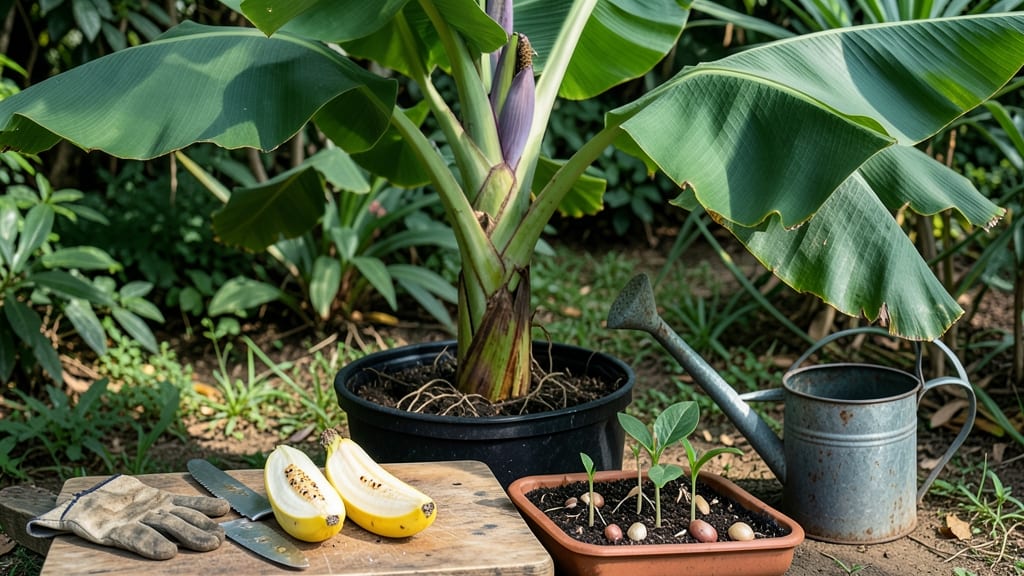
How to get banana seeds to grow in a garden is easier than you think—especially when you know the right tricks. 🌱 I’ve turned banana peels into thriving seedlings using a simple method that skips the guesswork, and the results come faster than you’d expect with store-bought plants. The secret starts with the seed itself: not all bananas have viable seeds, but when they do, they germinate best with warm, moist soil and bright indirect light. Most people overlook the peel’s role—it actually helps protect the seed while it sprouts, so don’t rush to remove it until you see signs of life. Within 2-4 weeks, you’ll spot tiny roots breaking through the soil, and with patience, those seedlings can grow into full plants—even in home gardens. The key is keeping the soil consistently damp and the environment warm, which mimics tropical conditions. This method works for both tropical climates and indoor setups, though outdoor gardeners in cooler zones will need to move plants inside during winter. Here’s how to make it work for you!
📚 In This Guide
- What you need
- Instructions
- Tips and common mistakes
- Wrapping up and next steps
What you need
- ● Ripe banana: Choose a banana with black or brown speckles on its peel (a sure sign of seeds!). Bonus points if it’s slightly overripe—nature’s way of saying, “Time to grow!”
- ● Sharp knife or scissors: A serrated knife or clean pair of scissors works best for slicing open the banana without squishing the seeds.
- ● Small bowl or plate: A shallow dish to collect the gelatinous pulp and seeds after squeezing the banana.
- ● Fine-mesh strainer or sieve: To separate seeds from the pulp (a kitchen strainer works great!).
- ● Paper towels or coffee filters: For drying the seeds—absorbent and disposable!
- ● Small containers or seed trays: Use 4–6 inch pots (or even recycled yogurt cups) with drainage holes. Fill with well-draining potting mix (cactus/succulent mix works well).
- ● Spray bottle: For gentle watering to keep seeds moist without drowning them.
- ● Plastic wrap or clear lid: To create a mini greenhouse and retain humidity.
- ● Grow lights or sunny windowsill: Banana seeds need bright, indirect light (6–8 hours daily) to sprout. A LED grow light is ideal if natural light is limited.
- ● Hydrogen peroxide (3% solution): A 5-minute soak for seeds to disinfect and speed up germination.
- ● Heating mat: Keeps soil warm (75–85°F) to encourage faster sprouting.
- ● Fertilizer (balanced, diluted): Once sprouts emerge, a weak fish emulsion or seaweed fertilizer gives them a boost.
- ● Label markers: To track seed varieties (if experimenting with different bananas!).
Step-by-Step instructions for germinating banana seeds in your garden
Here's how to coax those tiny banana seeds into fast, healthy sprouts with minimal fuss.
🌱 Step 1: Extract and Prepare the Seeds
Start with a ripe banana—those dark brown spots are your signal the seeds inside are ready. Cut the banana in half lengthwise and scoop out the stringy pulp with a spoon. You'll find 4-6 small black seeds nestled in the center. Rinse them under lukewarm water to remove any pulp residue, then let them air-dry on a paper towel for 24 hours.
This drying step prevents rot later. I like to place the seeds on a flat surface near a sunny window where they won't get direct sunlight—just enough airflow to keep them dry. If you skip this step, the seeds might mold before they even sprout.
💧 Step 2: Soak for Faster Germination
Fill a small container with room-temperature water (about 1 inch deep) and add the dried seeds. Let them soak for 3-5 days, changing the water daily. You'll see the seeds start to wrinkle slightly—that's normal and means they're absorbing moisture. After 3 days, check for tiny white roots emerging from the seeds.
Don't rush this process. If you soak them too long (beyond 5 days), they might rot. I've found that 4 days is the sweet spot for most banana seeds—just enough time to soften the hard outer shell without overdoing it. Once roots appear, they're ready for planting.
☀️ Step 3: Plant in Moist, Warm Soil
Fill a small pot (at least 4 inches deep) with well-draining potting mix. Moisten it until damp but not soggy—you should be able to squeeze a handful and see a few drops of water, but not a stream. Plant each seed ½ inch deep, spacing them 2 inches apart if using multiple seeds in one pot.
Place the pot in a warm, bright spot—banana seeds germinate best at 75-85°F. A sunny windowsill or under a grow light works well. Keep the soil consistently moist by watering lightly every 2-3 days, but avoid letting it sit in water. You'll see the first tiny shoots break through the soil in 7-14 days.
🌿 Step 4: Provide Humidity and Patience
Once the seeds sprout, cover the pot with a clear plastic bag or humidity dome to retain moisture. This creates a mini greenhouse effect, helping the delicate seedlings establish roots. Check daily for condensation inside the bag—if it's foggy, remove it for 30 minutes to prevent mold. After 2-3 weeks, the seedlings will develop their first true leaves (not the initial seed leaves).
This is the moment that matters: those first true leaves mean your banana plant is on its way. At this stage, you can gradually remove the plastic bag over 5-7 days, letting the seedlings acclimate to normal humidity. Keep them in bright, indirect light—direct sun can scorch young leaves.
⏰ Step 5: Transplant and Care for Growth
When the seedlings reach 4-6 inches tall (usually after 8-12 weeks), transplant them into larger pots or directly into the ground if your climate is warm year-round. Banana plants thrive in USDA zones 10-11 but can be grown in containers and brought indoors during cooler months. Use a pot at least 12 inches deep with drainage holes.
Here's the thing—banana plants grow fast once established, but they need plenty of water and fertilizer to reach maturity. I recommend using a balanced liquid fertilizer every 4-6 weeks once the plant is in its permanent home. Watch for large, glossy leaves—that's your sign the plant is happy and thriving.
Tips & tricks for perfect banana seed germination
These little-known tricks will help you turn those tiny banana seeds into thriving sprouts faster than you'd expect.
Seed Selection: Not all banana seeds germinate equally—look for seeds that are plump and firm when you extract them from ripe bananas. The larger seeds (about the size of a pinhead) tend to sprout more reliably. I've found that seeds from bananas with more pronounced brown spots often contain more viable seeds, so don't overlook those "spotted" ones!
Soaking Strategy: During the 3-5 day soaking period in Step 2, place your container in a spot where the water temperature stays between 70-75°F. Warmer water speeds up germination, but don't let it exceed 80°F or the seeds may overheat. I like to use a small glass jar on my counter—it's easy to monitor and change the water daily without disturbing the seeds too much.
Planting Depth: When planting in Step 3, the ½-inch depth recommendation is perfect, but here's what nobody tells you: press the soil gently around each seed to ensure good contact with the moisture. This prevents air pockets that could delay germination. I use my finger to make a small dimple in the soil, place the seed in it, then cover with soil—this creates a cozy little nest for your seed to sprout in.
Germination Timeline: The 7-14 day window for sprouting can feel like forever, but here's how to speed things up: After planting, place your pot in a warm spot (like on top of your fridge) for the first 48 hours. This jumpstarts the germination process. Just be sure to move it to the 75-85°F spot afterward—banana seeds are sensitive to temperature swings once they start growing.
Pro Tips for Get Banana Seed In Grow A Garden
- These little-known tricks will help you turn those tiny banana seeds into thriving sprouts faster than you'd expect.
- Seed Selection: Not all banana seeds germinate equally—look for seeds that are plump and firm when you extract them from ripe bananas.
- Soaking Strategy: During the 3-5 day soaking period in Step 2, place your container in a spot where the water temperature stays between 70-75°F.
Frequently asked questions
Got questions about growing banana seeds?
You’re not alone! Here are answers to the most common queries—from germination to troubleshooting—so you can confidently start your banana plant adventure.
How do I know if my banana seed is still viable?
A viable banana seed should feel firm and plump, not shriveled or hollow. If it floats in water, it’s likely bad—viable seeds sink. For extra assurance, soak the seed overnight in warm water; if it swells slightly, it’s ready to go! Pro tip: Check for a small crack or soft spot where the sprout might emerge.
How long does it take for a banana seed to germinate?
Germination can take anywhere from 2 weeks to 2 months, depending on temperature, moisture, and seed freshness. Keep the soil consistently moist (but not soggy) and warm (70–85°F). Patience is key—some seeds sprout faster with a heat mat or clear plastic wrap to trap humidity.
Can I grow a banana tree from a store-bought banana?
Yes! Most grocery-store bananas have seeds, but they’re tiny and often sterile. Look for red or plantain bananas (like Red Dacca or Ice Cream bananas), which have larger, viable seeds. Cut the banana in half, scoop out the seeds, and follow the germination steps. Bonus: Save the peel to use as compost!
What do I do if my banana seed rots instead of sprouting?
Rotting usually means too much moisture or poor drainage. If you see mold or a foul smell, remove the seed and start fresh with a sterilized container and well-draining soil mix (like perlite + coconut coir). Let the soil dry slightly between waterings, and avoid overcrowding seeds in the same pot.
Will a banana seed grow into a fruit-bearing plant?
Most banana seeds grown from grocery bananas produce small, seedless fruits (or none at all) because they’re hybrid varieties. For edible bananas, try seeds from heirloom or wild banana cultivars. Even if it doesn’t fruit, the plant is stunning for foliage and tropical vibes!
Wrapping up and next steps
Growing banana plants from seed is a rewarding adventure—just remember, patience and care are your best tools! 🌱 With the right tricks, like soaking seeds, using warm soil, and providing consistent moisture, you’ll soon see those first green sprouts.
Once you’ve mastered the germination process, why not expand your garden with other tropical treats?
Ready to turn those tiny seeds into a thriving banana tree? Start by planting your sprouted seeds in pots and give them the love they deserve! Happy gardening! 🌿