
Propagation
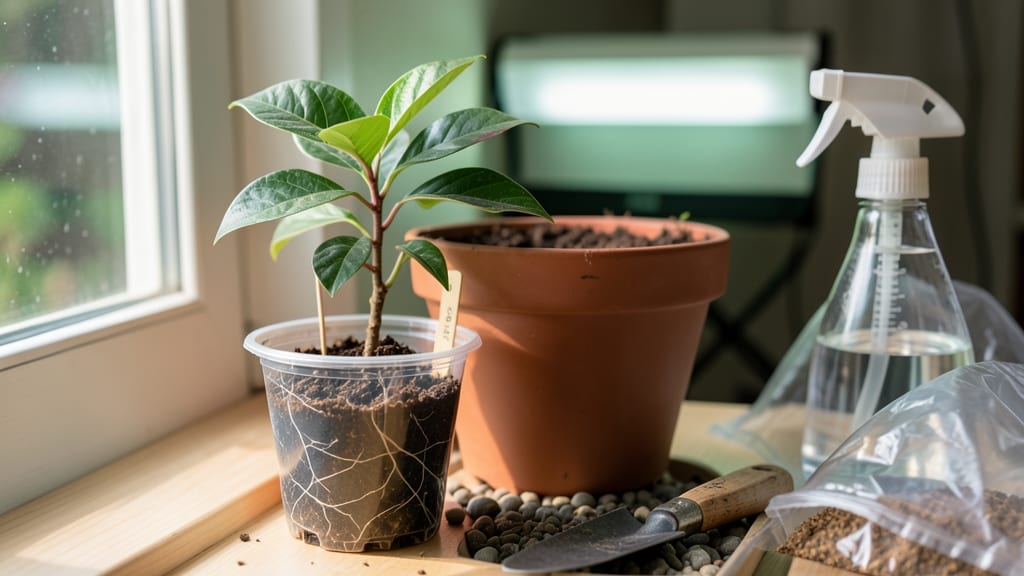
Growing a mango tree from seed indoors starts with that sweet, juicy pit you saved from your last snack. 🌱 The process is deceptively simple—just a little patience and the right conditions—and within 3 weeks, you’ll see your first tiny sprout pushing through the soil.
I’ve grown three this way, and while they won’t bear fruit for years, there’s nothing quite like watching a tropical tree thrive on your windowsill. The magic happens in three phases: germination, potting, and early growth.
You’ll need just a few supplies—a ripe mango, a warm spot, and a bit of soil—and the whole process takes less than 30 minutes to set up.
Most people quit after the seed sprouts, but the real reward comes when those glossy leaves fill out and the trunk starts to thicken. By month six, you’ll have a 2-foot-tall tree that looks like it belongs in a greenhouse, not your kitchen.
The key is keeping it happy: bright light, consistent water, and occasional pinching to encourage bushiness. It’s slow going, but every stage feels like a small victory. This method works for any variety, and even if it never fruits indoors, the tree makes a stunning houseplant.
Let’s get that pit planted—your future jungle starts now.
📚 In This Guide
- What you need
- Instructions
- Tips and common mistakes
- Wrapping up and next steps
What you need
- ● 1 fresh mango seed – Choose a seed from a ripe, organic mango (avoid hybrid varieties if you want fruit later).
- ● 1 small pot (4–6 inches in diameter) – Use a pot with drainage holes to prevent root rot.
- ● Well-draining potting mix – A blend of cactus/succulent mix or 50% potting soil + 50% perlite/sand works best.
- ● Watering can or spray bottle – For gentle hydration without over-saturating the soil.
- ○ Plastic wrap or clear dome – To create a mini greenhouse effect (optional but helpful for germination).
- ● Grow lights or a sunny windowsill – A south-facing window (6+ hours of sunlight daily) or a 12–14 hour LED grow light.
- ● Seedling heat mat – Speeds up germination (75–85°F ideal).
- ● Humidity tray – Keeps moisture levels consistent.
- ● Fertilizer (balanced, low-nitrogen) – Like 10-10-10 diluted to half-strength after 3 months.
- ● Pruning shears – For trimming as your tree grows.
Step-by-step instructions for growing a mango tree from seed indoors
Here's how to turn that grocery-store mango pit into a thriving houseplant with a few simple steps.
🌱 Step 1: Prepare the Seed for Faster Germination
Start with a fresh mango pit—older seeds germinate slower. Remove any remaining fruit flesh and let it dry for 2-3 days at room temperature. This prevents mold. Once dry, place the pit between two paper towels and fold them around it. Soak the towels with lukewarm water until damp but not dripping, then place them in a sealed plastic bag.
Store the bag in a warm spot (75-85°F) like near your fridge or on top of the microwave. Check daily—keep the towels moist but not soggy. You'll see a tiny sprout (¼ inch) within 7-14 days. This is your signal to move to soil. Real talk: if nothing happens after 3 weeks, try a fresh pit—some mango varieties are stubborn.
🪴 Step 2: Plant the Germinated Seed in Soil
Use a 4-inch diameter pot with well-draining potting mix (avoid garden soil—it compacts). Fill the pot halfway, then place the sprouted pit on top with the sprout facing up. Cover it with 1 inch of soil, pressing lightly to secure it. Water gently until moisture reaches the bottom—you'll know it's right when water runs out the drainage hole.
Mango seeds need warmth to root. Place the pot in a bright, indirect light spot (like an east-facing window) and keep the soil consistently moist (not soggy). A heat mat set to 70-75°F speeds up root growth. You'll see new leaves (first true leaves) in 4-6 weeks—this means roots are establishing. Don’t overwater now; damping-off will kill your seedling overnight.
☀️ Step 3: Provide Light and Care for Early Growth
Once the seedling has 3-4 leaves, move it to a south-facing window or under a grow light for 12-14 hours daily. Mango trees need bright light to stay compact. Rotate the pot quarter-turn weekly so the stem grows straight—you'll notice it leaning toward the light if you skip this. Yellowing leaves mean it’s getting too much sun; move it back a foot.
Water when the top inch of soil feels dry—stick your finger in to check. Overwatering is the #1 killer of young mango trees. Fertilize lightly with a balanced houseplant fertilizer (diluted to half-strength) every 4-6 weeks starting at 3 months old. You'll see bushier growth within weeks—that's your reward for patience.
✂️ Step 4: Prune and Support as It Grows
When your mango tree reaches 12 inches tall, prune the top set of leaves to encourage branching. Use clean scissors and cut just above a leaf node (the bump where leaves grow). This creates a fuller shape. Support the stem with a small bamboo stake if it topples—mango seedlings grow fast and can get leggy.
By 6 months, your tree should have 5-7 branches. Reduce fertilizing to every 8 weeks to prevent rapid, weak growth. If you see white powdery spots on leaves, wipe them off with a damp cloth—this is powdery mildew, common in humid homes. Keep the air circulating with a small fan on low for 2 hours daily to prevent it.
🌿 Step 5: Transition to Long-Term Care
After 1 year, repot into a 6-inch pot with fresh potting mix if roots circle the bottom. Mango trees grow 2-3 feet annually indoors. In winter, reduce watering—let the top 2 inches of soil dry out between waterings. You'll notice slower growth, which is normal. Increase light to 14 hours daily with a grow light if natural light drops below 6 hours.
Here's the thing—your mango tree won't fruit indoors (it needs 10+ years and tropical heat for that). But the glossy leaves and tropical vibe make it worth it. Keep it alive, and in 5-7 years, you can transplant it outdoors in USDA zones 10-11 for a chance at fruit. Until then, enjoy your living room jungle.
Tips & tricks for growing a mango tree indoors
Common pitfalls—and how to sidestep every one when nurturing your mango seedling.
Seed Selection: Not all mango varieties germinate easily, so choose your grocery store fruit wisely. Look for plump, ripe mangoes with seeds that feel firm and heavy—not hollow or shriveled. I learned this the hard way after struggling with three different varieties before finding one that sprouted reliably within the 7-14 day window. The key is freshness—older seeds often rot before sprouting.
Germination Environment: The 75-85°F range is critical for breaking dormancy, but consistency matters more than exact temperature. If your home runs cooler, place the seedling bag on top of your fridge or near a sunny window during the day. Watch for condensation inside the bag—this means it's too humid. Open it daily for 5 minutes to prevent mold, which can kill your seed before it even sprouts.
Transplanting Timing: Wait until you see that ¼-inch sprout before moving to soil—this means roots have started forming inside the pit. When transplanting, handle the seedling gently to avoid breaking the delicate root. The first true leaves (not the initial seed leaves) should appear within 4-6 weeks, signaling successful root establishment. If leaves turn yellow after transplanting, you're likely overwatering.
Light Management: Mango trees need bright light to thrive, but direct sun can scorch tender leaves. In Step 3, position your seedling within 3 feet of the south-facing window for 12-14 hours of indirect light. If you notice leaves curling or yellowing, it's getting too much sun—move it back a foot. For winter care, supplement with a grow light for 14 hours daily if natural light drops below 6 hours, especially in northern climates.
Pro Tips for Grow A Mango Tree From Seed Indoors
- Common pitfalls—and how to sidestep every one when nurturing your mango seedling.
- Seed Selection: Not all mango varieties germinate easily, so choose your grocery store fruit wisely.
- Germination Environment: The 75-85°F range is critical for breaking dormancy, but consistency matters more than exact temperature.
Frequently asked questions
How long does it take for a mango seed to sprout indoors?
A mango seed typically sprouts within 1–3 weeks when kept in warm, moist conditions. Place the seed in a cozy spot (like near a sunny window) and maintain consistent moisture—patience is key! If no sprouts appear after 3 weeks, gently check for rot or adjust humidity.
Can I grow a mango tree from seed in a cold climate?
Yes, but with extra care! Start seeds indoors in spring (after last frost) and keep them near a warm, sunny window. Once seedlings are sturdy (spring/summer), transplant them outdoors only if temperatures stay above 50°F (10°C). In colder zones, grow them in pots and overwinter indoors.
Will my indoor mango tree produce fruit?
Probably not—most seed-grown mango trees take 5–15 years to fruit, and even then, indoor-grown trees rarely bear fruit. For faster results, graft a fruiting variety onto your seedling. Enjoy the tree’s lush foliage and tropical vibes instead!
What if my seedling’s leaves turn yellow?
Yellow leaves often signal overwatering or nutrient deficiency. Let the soil dry slightly between waterings and use a balanced fertilizer (like 10-10-10) every 2–3 months. Ensure the pot has drainage holes to prevent root rot. Too much direct sun can also scorch leaves—rotate the pot occasionally.
Can I plant the seed directly in soil without soaking?
Soaking the seed for 24–48 hours speeds up germination, but you can plant it dry. However, germination may take longer (4–6 weeks) and be less reliable. For best results, soak the seed first, then plant it in moist soil. Pro tip: Use a seedling tray for easier monitoring!
Wrapping up and next steps
Growing a mango tree from seed indoors is a rewarding journey that combines patience, care, and a little sunshine! 🌱 With the right setup—like a cozy pot, bright light, and consistent moisture—you’ll watch your seedling sprout in just weeks.
While it may take years for fruit, the joy of nurturing life from something as simple as a pit is priceless.
Ready to take the next step? Once your seedling reaches 12–18 inches tall, consider transplanting it to a larger pot or even outdoors (if your climate allows).
Keep an eye on its progress—you’re not just growing a plant; you’re cultivating a tiny piece of the tropics right on your windowsill! 🌴