
Size
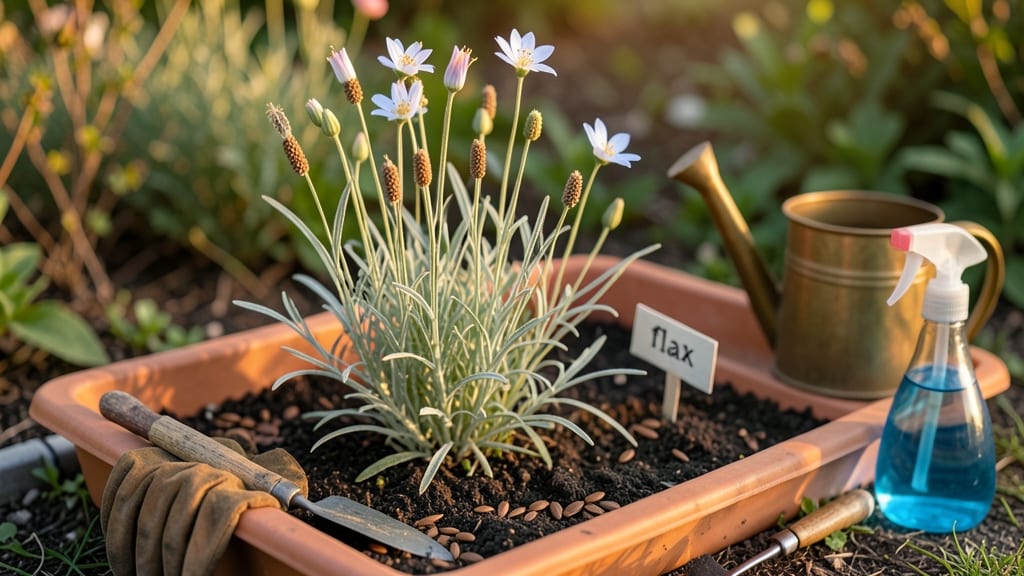
Growing flax seed plants from scratch gives you the most nutrient-dense harvest possible—golden seeds packed with omega-3s and sturdy stems for fiber. 🌱 I’ve grown flax for years, and the key to success starts with full sun exposure and well-drained soil.
Unlike fussy crops, flax thrives with minimal fuss once you nail these basics. The process is simpler than you’d think: direct-sow seeds in early spring, barely covering them with soil, and keep the area moist but not soggy. Most varieties mature in 80-100 days, so timing is everything.
My best batches came from planting in cool weather—flax hates summer heat and bolts quickly. By harvest time, you’ll have tall, slender stalks topped with clusters of tiny blue flowers that transform into those prized seeds.
The plants stay upright naturally, making them perfect for small gardens or even container growing. Just avoid overwatering—flax roots rot easily if the soil stays damp too long. Whether you’re after seeds for nutritional oil, fiber for crafts, or just the striking blue blooms, this method delivers.
The real magic happens when you crush the seeds fresh—the aroma and flavor are unmatched. Ready to grow yours?
📚 In This Guide
- What you need
- Instructions
- Tips and common mistakes
- Wrapping up and next steps
What you need
- ● Flax Seeds: 1–2 lbs (organic, non-GMO preferred). Look for Linum usitatissimum varieties like Stormont Cirrus or Linette 44.
- ● Growing Containers: 6-inch-deep pots (if starting indoors) or a well-drained garden bed (6–12 inches deep). Use at least 1 pot per seedling or 12-inch spacing in the ground.
- ● Potting Mix: Lightweight, well-draining soil (e.g., 60% peat moss, 30% perlite, 10% compost). Avoid heavy clay.
- ● Sunlight: Full sun (6+ hours daily). A south-facing window or grow lights work for indoor starts.
- ● Water: Access to soft, room-temperature water (flax hates soggy roots!).
- ● Fertilizer: Balanced organic fertilizer (5-5-5 or compost tea). Apply lightly at planting and mid-growth.
- ● Hand Trowel or Transplant Spade (for digging and transplanting).
- ● Spray Bottle (for gentle watering during germination).
- ● Garden Gloves (to protect hands from prickly stems).
- ○ Pruning Shears (optional, for harvesting seed heads).
- ○ Row Cover or Netting (optional, to deter pests like birds or aphids).
- ○ pH Test Kit (optional, to ensure soil pH is 6.0–7.0).
Step-by-Step instructions for growing flax seed plants
Ready to cultivate these hardy, nutrient-packed plants? Here's my foolproof method for thriving flax.
🌱 Step 1: Choose and Prepare Your Planting Site
Flax thrives in full sun with at least 6-8 hours of direct sunlight daily. Pick a location with well-draining soil—flax hates soggy roots. If your soil is heavy clay, mix in 2-3 inches of compost to improve drainage and fertility. I like to test soil pH first; flax prefers a neutral range of 6.0-7.0.
Loosen the top 6 inches of soil with a garden fork or tiller to create a seedbed. Remove any weeds or debris that could compete with your flax plants. The soil should feel crumbly when you squeeze it—if it sticks together, add more compost or sand to improve texture.
🌱 Step 2: Plant Seeds at the Right Depth and Spacing
Sow flax seeds ½ inch deep and 6-12 inches apart in rows spaced 12-18 inches apart. I use a small hand shovel to create shallow furrows, then drop seeds every 1 inch along the row. Cover lightly with soil and gently firm it down—just enough to make contact with the seeds, but don't bury them too deep.
Water lightly after planting to settle the soil around the seeds. Keep the soil consistently moist but never waterlogged until germination. You'll see tiny green sprouts emerge in 7-14 days, depending on soil temperature. If your area has cool nights, germination may take longer—don't rush to water or disturb the soil until you see those first leaves.
☀️ Step 3: Maintain Optimal Growing Conditions
Once seedlings reach 4-6 inches tall, thin them to stand 6-8 inches apart to give roots room to spread. Use sharp scissors to cut unwanted seedlings at soil level—pulling can disturb nearby plants. Flax needs 1-1.5 inches of water per week, either from rainfall or irrigation. Water deeply at the base rather than overhead to prevent fungal diseases.
Fertilize lightly with a balanced 10-10-10 fertilizer when plants are 6 inches tall, using ½ pound per 100 square feet. Avoid high-nitrogen fertilizers—they promote leafy growth at the expense of seed production. Watch for yellowing leaves; this often signals overwatering or nutrient imbalance, especially nitrogen deficiency.
✂️ Step 4: Harvest and Process Flax Seeds
Flax is ready for harvest when 75% of the plants have turned golden brown and the seed pods have dried on the stalk. Use a sharp knife or pruners to cut entire plants at the base. Bundle them and hang them upside down in a dry, well-ventilated area for 2-3 weeks to fully dry. You'll know they're ready when the seeds rattle inside the pods.
To extract seeds, rub dried plants between your hands or use a flax puller. Store seeds in airtight containers in a cool, dark place. Properly dried seeds will keep for up to 2 years. If you're growing flax for fiber instead of seeds, harvest before the pods fully mature—green stalks yield the best quality linen.
Tips & tricks for perfect flax seed plants
Took me a while to figure these out, so here goes—flax might seem simple, but these details make all the difference.
Sunlight Secret: While flax loves full sun, I've found that morning sun (when temperatures are cooler) is ideal for germination. If planting in hot climates, provide afternoon shade for the first week until seedlings establish. The 6-8 hours of sunlight requirement is non-negotiable—any less and you'll get leggy, weak plants that struggle to produce seeds.
Germination Game-Changer: The 7-14 days germination window can stretch to 3 weeks in cool soils. To speed things up, soak seeds in warm water for 4-6 hours before planting (this is optional but helps). Keep the soil consistently moist during this period—flax seeds need steady moisture to break dormancy, but they'll rot if waterlogged. A simple trick: cover the planted area with clear plastic until sprouts appear, then remove it.
Thinning Technique: When you thin seedlings to 6-8 inches apart in Step 3, do it on a cloudy day or in the evening. The stress of thinning combined with direct sun can shock young plants. I use clean scissors to cut seedlings at soil level rather than pulling—this prevents disturbing nearby plants' roots. The extra space gives your flax room to develop strong stalks for better seed production.
Harvesting Hack: For that perfect 75% golden brown harvest signal, I recommend cutting plants in batches every few days once they start turning. This spreads out your drying time and prevents overcrowding in your drying area. Bundle plants with rubber bands before hanging—this keeps them upright and makes seed extraction easier later. The 2-3 weeks drying time can be reduced to 1-2 weeks if you use a dehydrator set to 95°F (though this may slightly reduce seed quality).
Pro Tips for Grow Flax Seed Plants
- Took me a while to figure these out, so here goes—flax might seem simple, but these details make all the difference.
- Sunlight Secret: While flax loves full sun, I've found that morning sun (when temperatures are cooler) is ideal for germination.
- Germination Game-Changer: The 7-14 days germination window can stretch to 3 weeks in cool soils.
Frequently asked questions
Got questions about growing flax seeds?
You’re not alone! Here are some of the most common queries—plus straightforward answers to help you cultivate a thriving crop with confidence.
How long does it take for flax seeds to germinate?
Flax seeds typically sprout within 7–14 days after planting, depending on soil temperature and moisture. Keep the soil consistently damp (not soggy) and in a warm spot (around 70°F) to speed up germination. Patience pays off—thin seedlings once they’re 2–3 inches tall for stronger plants!
When is the best time to harvest flax seeds?
Harvest flax seeds when the seed pods turn golden-brown and begin to split open (usually 90–120 days after planting). If left too long, seeds may scatter or attract pests. Cut stalks with scissors, bundle them, and dry in a well-ventilated area before threshing. Pro tip: Morning harvests yield the driest, easiest-to-process seeds!
Can I grow flax seeds indoors or in containers?
Flax thrives in 5-gallon pots or deeper containers with drainage holes. Use a lightweight potting mix and place near a sunny window or under grow lights (12+ hours/day). Just ensure your container is at least 12 inches deep—flax roots run deep! For best results, start seeds indoors 4–6 weeks before your last frost date.
What pests or diseases should I watch for?
Flax is generally low-maintenance, but keep an eye out for aphids, spider mites, or fungal issues (like rust) in humid climates. Preventative care: Rotate crops annually, avoid overhead watering, and use row covers early in the season. If pests appear, blast them off with water or introduce beneficial insects like ladybugs. Quick fix: Neem oil spray can deter soft-bodied pests naturally.
Can I save flax seeds from my harvest for next year?
Yes! Store seeds in a cool, dry place (like a sealed jar in the fridge) for up to 2–3 years to maintain viability. For best results, test a few seeds before replanting—if germination drops below 70%, it’s time to source fresh seeds. Bonus: Saving seeds supports heirloom varieties and cuts costs long-term!
Wrapping up and next steps
Growing flax seed plants is a rewarding journey that yields nutrient-packed harvests with minimal effort! 🌱 By following the right steps—from selecting the perfect soil to harvesting at the ideal time—you’ll enjoy a bountiful crop rich in omega-3s and fiber.
Whether you’re a beginner or a seasoned gardener, flax thrives with care and patience.
Now that you’re equipped with the know-how, roll up your sleeves and start planting! 💡 Keep experimenting with varieties and techniques—your first harvest could be just weeks away. Happy growing!