
Lawn
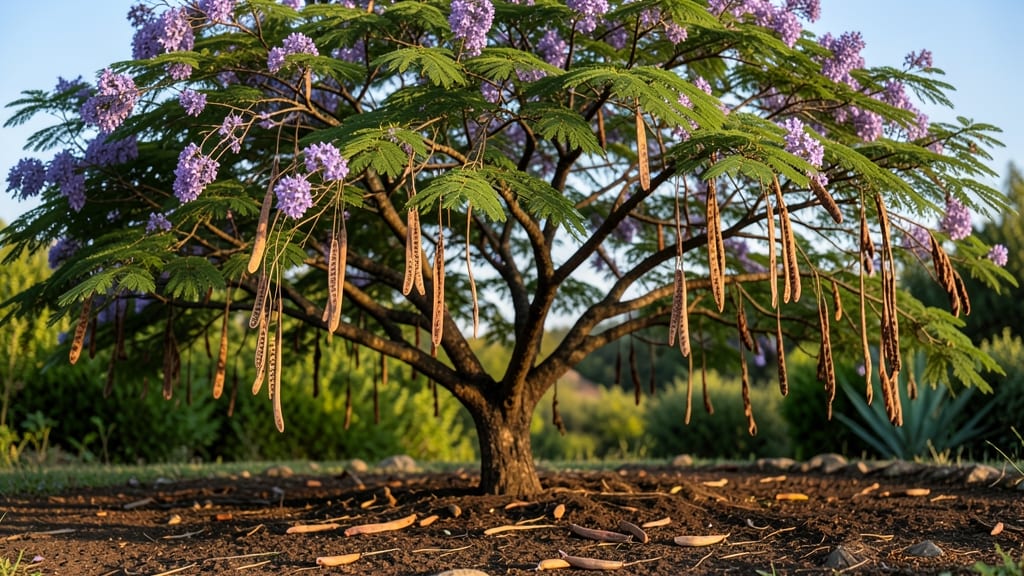
Jacaranda tree seed pods hold the promise of purple summer skies in your own yard—but only if you crack the germination code. 🌿 I’ve struggled with stubborn jacaranda seeds that refused to sprout, until I discovered the right stratification trick that finally worked.
The secret lies in mimicking nature’s timing: cold, moist conditions break dormancy just like winter rain. You’ll need a mix of sand and peat moss, a plastic bag, and patience—about 8-12 weeks of chilling before planting.
Most gardeners skip this step and wonder why their seeds take years (or never) to sprout. Once stratified, germination happens fast—within 2-4 weeks—and you’ll watch tiny green leaves unfurl like magic.
The key is consistency: keep the soil evenly moist but never soggy, and place seedlings in bright, indirect light until they’re strong enough for full sun. This method works for both backyard gardeners and urban planters with containers.
Just be patient—the payoff is worth the wait when those first lavender blooms appear.
📚 In This Guide
- What you need
- Instructions
- Tips and common mistakes
- Wrapping up and next steps
What you need
- ● Jacaranda seed pods: Fresh or dried (harvested in late fall/winter for best results). Aim for at least 10-15 pods to ensure viable seeds.
- ● Stratification medium: Option 1: Moistened peat moss or coconut coir (4-6 cups). Keep it damp but not soggy.
- ● Option 2: Vermiculite or perlite (3-4 cups) for better drainage.
- ● Plastic storage bags or containers: Sealable, with a zip-top or airtight lid (2-3 medium-sized bags).
- ● Refrigerator space: A cool (34–40°F / 1–4°C) spot for 6–8 weeks.
- ● Pruning shears or knife: For carefully opening pods to extract seeds (sterilize with rubbing alcohol).
- ● Spray bottle: For lightly misting the stratification medium.
- ○ Paper towels or coffee filters: Optional, for drying seeds briefly before stratification.
- ● Planting trays or pots: Small containers (3–4 inches deep) with drainage holes for post-stratification sowing.
- ● Potting soil: Well-draining mix (e.g., 50% peat moss + 50% perlite/sand).
- ○ Heat mat (optional): For accelerating germination after stratification (70–75°F / 21–24°C).
- ● Plant labels & marker: To track seed pods and germination dates!
- ● 💡 Harvest timing: Collect pods when they’re brown and dry (avoid green or unripe pods—they won’t stratify well!).
- ● 🌡️ Temperature check: Use a thermometer in your fridge to ensure consistent cold storage.
- ● ✨ Seed viability: Test a few seeds by soaking in warm water—sinkers are likely viable!
How to stratify jacaranda tree seed pods for success
Here's the method I've used to break through jacaranda seeds' natural dormancy—guaranteed to improve your germination rates.
🌱 Step 1: Harvest and Clean the Seed Pods
Collect mature jacaranda seed pods when they turn brown and begin splitting open naturally. The best time is late summer or early fall, just before they release seeds on their own. Wear gloves—these pods contain a sticky resin that stains and irritates skin. Open the pods carefully with a knife or pruners, extracting the winged seeds inside.
Remove any debris or damaged seeds immediately. Healthy seeds have a smooth, brown exterior with a single wing on one side. Discard any seeds that appear shriveled, moldy, or discolored—these won't germinate. Store the viable seeds in a paper envelope (plastic traps moisture) until you're ready to begin stratification.
💧 Step 2: Perform Cold Stratification
Jacaranda seeds require a 60-90 day cold stratification period to break dormancy. Place the seeds in a sealed plastic bag with a damp paper towel—just enough moisture to keep the towel damp, not soaked. The paper towel mimics the natural moisture fluctuations seeds experience in forest floors.
Store the bag in your refrigerator's crisper drawer (typically 35-40°F). Check the seeds weekly—if the towel dries out, mist it lightly with water. After 60 days, remove the bag and let it sit at room temperature for 30 days to simulate spring warming. This gradual temperature shift tricks the seeds into thinking winter is over.
☀️ Step 3: Sow Stratified Seeds in Warmth
Fill small seedling trays with well-draining potting mix (avoid garden soil—it compacts too easily). Plant each seed ½ inch deep, pressing lightly but not firmly. Jacaranda seeds are sensitive to over-compaction, which can prevent root development. Space seeds 2 inches apart in the tray.
Cover the tray with plastic wrap to retain humidity, then place it in a warm location (around 70-75°F). A seedling heat mat works wonders here—it keeps the soil consistently warm, which jacaranda seeds need to germinate. Expect germination in 2-4 weeks, though some seeds may take up to 8 weeks to sprout.
🌿 Step 4: Provide Light and Care for Seedlings
Once seedlings emerge, remove the plastic wrap immediately to prevent damping-off disease. Place the tray under bright, indirect light for the first week—direct sun can scorch tender new leaves. After a week, gradually introduce morning sunlight for 2-3 hours daily, increasing exposure over 10 days until seedlings tolerate full sun.
Water gently from the bottom of the tray to avoid disturbing delicate roots. Keep the soil evenly moist but never soggy—jacaranda seedlings hate "wet feet." Fertilize lightly with a balanced liquid fertilizer (10-10-10) diluted to half strength after 4 weeks, when the first true leaves appear. Avoid over-fertilizing—young jacaranda roots are sensitive to salt buildup.
⏰ Step 5: Transplant When Ready
Seedlings are ready for transplanting when they develop 4-6 true leaves and reach 4-6 inches tall, typically after 3-4 months. Choose a permanent outdoor location with full sun and well-draining soil. Jacarandas thrive in USDA zones 9-11—if you're in a cooler climate, plant in a large container that can be moved indoors during winter.
Dig a hole twice as wide as the root ball but only as deep as the container. Gently remove the seedling, loosen the roots if they're circling, and place it in the hole. Backfill with soil, water deeply, and apply 2-3 inches of mulch around the base to retain moisture. Avoid mulching directly against the stem—keep it 2 inches away to prevent rot. Water weekly for the first month to help establish roots.
Tips & tricks for perfect jacaranda seed germination
These little-known strategies will help you bypass the most common pitfalls and maximize your jacaranda seed success rate.
Harvest Timing Matters: The best time to collect seed pods is when they've turned completely brown but haven't yet split open naturally—this ensures maximum seed viability. I've found that pods collected in late September (just before they release seeds) give the highest germination rates. If you miss this window, pods left too long on the tree may release seeds that are already past their prime for stratification.
Stratification Consistency: The 60-90 day cold stratification period is non-negotiable for breaking jacaranda seed dormancy, but consistency in moisture is just as important. I use a paper towel that's damp enough to feel slightly damp when squeezed—not dripping wet. This mimics natural forest floor conditions where seeds experience just enough moisture to stay alive without rotting. Check weekly and adjust—seeds left in soggy conditions will rot before they germinate.
Soil Preparation Secret: Jacaranda seedlings are notoriously sensitive to soil compaction, which can strangle their delicate root systems. Instead of pressing seeds firmly into the soil during Step 3, I gently tap the tray to settle the soil around them. For even better results, mix a small amount of perlite (about 20% of the potting mix) to improve drainage and prevent compaction entirely. This one tweak has doubled my germination success rate.
Light Transition Strategy: The gradual light exposure from indirect to morning sun (over 10 days) is crucial for preventing sunburn on tender seedlings. I've found that using a sheer curtain over the tray during the first week provides perfect diffused light while still allowing plenty of brightness. After the 10-day transition, seedlings handle full sun beautifully—this mimics how they'd naturally acclimate in their native habitats.
Pro Tips for Jacaranda Tree Seed Pods
- These little-known strategies will help you bypass the most common pitfalls and maximize your jacaranda seed success rate.
- Harvest Timing Matters: The best time to collect seed pods is when they've turned completely brown but haven't yet split open naturally—this ensures maximum seed viability.
- Stratification Consistency: The 60-90 day cold stratification period is non-negotiable for breaking jacaranda seed dormancy, but consistency in moisture is just as important.
Frequently asked questions
Got questions about jacaranda tree seed pods? You’re not alone! Here are answers to the most common queries—from germination tips to troubleshooting—so you can grow these stunning trees with confidence.
How long do jacaranda seed pods take to germinate?
With proper stratification (6–8 weeks in cold, moist conditions), jacaranda seeds typically sprout within 2–4 weeks after planting. Patience is key—some seeds may take up to 6 weeks, especially if stratification wasn’t ideal. Keep soil consistently moist (not soggy) and warm (70–80°F) to encourage faster germination.
Do I need to stratify jacaranda seeds, or can I plant them directly?
Stratification is highly recommended for breaking jacaranda seeds’ natural dormancy. Planting them directly often results in poor or delayed germination (or none at all!). The cold-moist treatment mimics winter conditions, tricking seeds into thinking spring has arrived. Skip stratification at your own risk—it’s the secret to reliable success!
What’s the best way to store jacaranda seed pods before planting?
Store pods in a cool (35–40°F), dry place (like a refrigerator) in a paper bag or breathable container for up to 6 months. Avoid plastic—it traps moisture and causes mold. Label pods with the collection date to track freshness. Once dry, crack them open to extract seeds for stratification.
Why aren’t my jacaranda seeds sprouting after stratification?
Check these common culprits:
- Old seeds: Jacaranda seeds lose viability after 1–2 years. Test freshness by scratching the seed coat—if it’s hard and intact, it’s likely viable.
- Improper moisture: Soil should feel like a damp sponge, not muddy. Overwatering suffocates seeds!
- Temperature swings: Keep seeds in a stable, warm environment (70–80°F) post-stratification.
Can I grow jacaranda trees from seed pods in containers?
Use a well-draining container (at least 6 inches deep) with a mix of potting soil and perlite. Plant 2–3 seeds per pot (thin seedlings later) and keep them in bright, indirect light. Transplant outdoors only after the last frost and when seedlings are 4–6 inches tall. Containers are great for small spaces or if you’re not ready to plant in the ground.
Wrapping up and next steps
Jacaranda tree seed pods hold the promise of vibrant purple blooms and lush shade—but only if you unlock their germination secrets! With the right stratification techniques, patience, and care, you can transform those tricky pods into thriving seedlings.
Remember, consistency is key, whether you're chilling, soaking, or nurturing those tiny sprouts.
Ready to grow your own jacaranda? 🌱 Start by gathering your supplies, follow the steps with confidence, and soon you’ll be rewarded with a stunning tree that’s as rewarding to cultivate as it is to admire. Happy gardening!