
Lawn
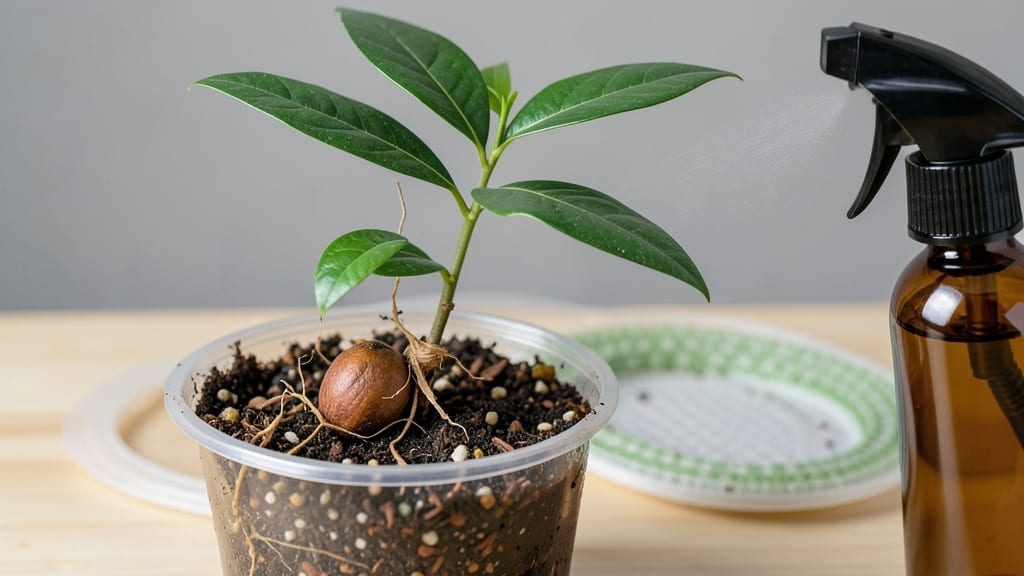
Watching the growth of a mango seed feels like nurturing a tiny piece of tropical magic. 🌱 The journey starts with that first pit, which holds the potential for a tree that could one day bear fruit—but only if you give it the right conditions from day one.
I’ve learned the hard way that patience and proper soil prep are everything when you’re working with something this delicate.
The secret isn’t complicated: start with a well-draining mix of potting soil and perlite, keep the seed moist but never soggy, and give it warmth—think around 75°F—to speed up germination.
Most seeds sprout within 2-4 weeks, but some stubborn ones take months. The key is consistency: too much water drowns the seed, while too little halts growth entirely.
Once your seedling pokes through the soil, you’ll notice its first true leaves—thick, glossy, and full of promise. These early weeks are critical: place it in bright, indirect light and water only when the top inch of soil feels dry.
By the time it’s 6-12 inches tall, you’ll be ready to transplant it into a larger pot or the ground, depending on your climate.
Here’s the honest truth: mango trees from seed take 5-10 years to fruit, but the reward is worth it. The first time you see those pale yellow blooms, you’ll understand why the wait is part of the magic. Let’s get those seeds growing!
📚 In This Guide
- What you need
- Instructions
- Tips and common mistakes
- Wrapping up and next steps
What you need
- ● Mango seeds: 1–3 fresh, plump seeds (harvested from ripe, organic mangoes for best results). Pro tip: Avoid seeds from store-bought mangoes treated with fungicides!
- ● Well-draining potting mix: 2–3 cups of a blend like cactus/succulent mix (or 50% peat moss + 50% perlite/sand). Avoid heavy garden soil!
- ○ Small pots or containers: 2–4 (4–6 inches deep) with drainage holes. Optional: Seed-starting trays for multiple seeds.
- ● Watering can or spray bottle: With a fine mist nozzle for gentle hydration.
- ● Plastic wrap or clear lid: To create a humidity dome (e.g., a ziplock bag with holes or a plastic cup cover).
- ○ Fertilizer (optional but helpful): 1 tsp balanced liquid fertilizer (e.g., 10-10-10) diluted to half-strength for seedlings.
- ● OR worm castings (1 tbsp mixed into soil for nutrients).
- ● Knife or scissors: For carefully slicing seeds (if needed).
- ● Ruler or measuring tape: To track seed depth (¼–½ inch below soil surface).
- ● Sunlight access: A warm, bright spot (e.g., south-facing window or grow light). Note: Mango seeds need consistent warmth (75–90°F) to germinate!
- ● Patience & consistency: Germination can take 2–6 weeks—stay diligent with moisture checks!
- ● Heat mat: For faster germination if your space is cool.
- ● Humidity tray: A shallow tray filled with water and pebbles to boost moisture levels.
- ● Plant labels: To track seed varieties or planting dates.
- ● Pruning shears: For trimming future seedlings (once they’re 6+ inches tall).
Step-by-step instructions for germinating mango seeds
Here's the straightforward method I've used to grow strong mango seedlings from store-bought pits.
🌱 Step 1: Extract and Prepare the Seed
Start with a fresh, plump mango pit—avoid dried or cracked ones. Rinse it thoroughly to remove any fruit residue, then gently scrape away the outer fibrous layer with a knife until you expose the smooth, hard shell underneath. This removes potential mold spores hiding in the fibers.
Place the cleaned pit between two paper towels, then fold the towels to create a snug wrap. Dampen the towels with warm water (not soaking wet—just enough to feel slightly damp when squeezed). Store the wrapped pit in a sealed plastic bag to maintain humidity. Check daily and rewet the towels if they feel dry to the touch.
💧 Step 2: Wait for Sprouting and Root Development
Germination takes 2-6 weeks, depending on your climate. Place the bag in a warm spot—near a sunny window or on top of a refrigerator—where temperatures stay between 70-85°F. You'll know it's working when you see a tiny white root (½ inch long) emerge from one end of the pit.
Once roots appear, remove the pit from the bag and place it in a small container with 1 inch of water covering just the roots. Keep the water level constant—never let the pit itself sit submerged. Roots will grow rapidly, so change the water every 2-3 days to prevent bacterial growth. Watch for the first shoot to emerge from the opposite end of the root.
☀️ Step 3: Plant in Soil When Shoots Emerge
When the shoot reaches 2-3 inches tall, it's time to plant. Use a small pot with drainage holes and fill it with a mix of 50% potting soil and 50% perlite for excellent drainage. Make a hole about 1 inch deep and place the pit with the shoot facing upward, pressing lightly around the sides to secure it.
Water gently until moisture appears at the surface, then let it drain completely. Place the pot in bright, indirect light—direct sun can scorch the delicate new leaves. Keep the soil consistently moist but never soggy. You'll see the first true leaves appear in 3-4 weeks, signaling the seedling is establishing its root system.
🪴 Step 4: Transplant and Care for Young Seedlings
After 6-8 weeks, when the seedling has 4-6 true leaves, it's ready for its first transplant. Choose a slightly larger pot with fresh potting mix and dig a hole twice as wide as the seedling's root ball. Gently remove the seedling, loosen any circling roots, and plant it at the same depth it was growing before.
Reduce watering slightly now—the seedlings are more resilient but still need protection from overwatering. Place the pot in a spot with morning sun and afternoon shade for the first month. You'll notice stronger growth and deeper green leaves as the plant adjusts to its new home.
Tips & tricks for perfect mango seed germination
Here's what I've learned from growing dozens of mango seedlings—these little details make all the difference between thriving plants and wasted effort.
Seed Selection: I can't stress this enough—only use fresh, plump mango pits that feel heavy for their size. Older, dried-out pits rarely germinate. If you're buying mangoes, pick the ripest ones first—they'll have the freshest seeds inside. The outer fibrous layer should be intact, not cracked or moldy, which is your first sign of a healthy seed.
Temperature Matters: While the instructions mention 70-85°F as ideal, I've found that consistency is more important than hitting that exact range. If your home stays around 65°F, place the seedling near a sunny window during the day and move it to a warmer spot at night. A simple heat mat (set to low) can speed up germination by 1-2 weeks if you're impatient—just don't let it get above 90°F or the seed will overheat.
Water Management: The 1-inch water level in Step 2 is critical, but here's what nobody tells you: tap water can contain chlorine that inhibits root growth. Let your water sit out for 24 hours before using it, or use filtered water if possible. Also, when changing water every 2-3 days, I rinse the roots with fresh water first to remove any bacterial buildup from the old water—this keeps roots healthy and prevents that foul smell.
Light Transition: When you first plant the seedling in Step 3, it's tempting to give it full sun right away, but young seedlings need time to adjust. Start with just 2-3 hours of morning sun and gradually increase exposure over 5-7 days. I've seen seedlings get sunburned within hours of direct sunlight, which looks like crispy brown patches on the leaves—trust me, it's not pretty.
Pro Tips for Mango Seed Growth
- Here's what I've learned from growing dozens of mango seedlings—these little details make all the difference between thriving plants and wasted effort.
- Seed Selection: I can't stress this enough—only use fresh, plump mango pits that feel heavy for their size.
- Temperature Matters: While the instructions mention 70-85°F as ideal, I've found that consistency is more important than hitting that exact range.
Frequently asked questions
Got questions about growing your own mango tree from seed? You’re not alone! Here are some of the most common queries—and their straightforward answers—to help you get started on the right foot.
How long does it take for a mango seed to sprout?
A mango seed typically sprouts within 2–4 weeks if kept warm (70–85°F) and moist. Some seeds germinate faster (even in 7–10 days), while others may take up to 6 weeks. Patience is key—consistent warmth and humidity speed up the process! Pro tip: Place your seed in a plastic bag with a damp paper towel to create a mini greenhouse effect.
Can I plant a mango seed directly in the ground?
Not ideal! Mango seeds are delicate and need a controlled environment first. Start indoors in a small pot with well-draining soil (like a mix of peat and perlite) to protect the seedling from pests, frost, or uneven moisture. Once the seedling is 6–12 inches tall (after 6–12 months), transplant it outdoors—only if you live in a USDA Zone 10–11 (or similar tropical climate).
What if my mango seed won’t sprout?
Don’t panic! Try these fixes:
- Check moisture: The seed must stay damp but not soggy. Use a spray bottle to mist if needed.
- Warmth matters: Place the seed near a heat source (like a sunny windowsill or seedling mat) to mimic tropical conditions.
- Test viability: Soak the seed in water for 24 hours—if it sinks, it’s likely viable. If it floats, it’s probably dead.
- Patience: Some seeds take longer. Rotate the seed occasionally for even exposure to warmth.
Can I grow a mango tree from seed in a cold climate?
Yes, but with limitations! Mango trees are tropical and won’t survive freezing temps. Your best bet is:
- Grow the seedling indoors until it’s sturdy (1–2 years).
- Overwinter it in a pot near a sunny window.
- Move it outdoors only during summer (if you’re in Zone 9 or warmer).
- Consider dwarf varieties—they’re easier to manage in containers.
Will a mango tree grown from seed produce fruit?
Probably not the same variety as the parent tree! Seeds grow into unpredictable hybrids—your tree might bear fruit, but it could take 5–10 years, and the flavor, size, or even color may differ. For consistent fruit, graft a known variety onto your seedling later. If you’re okay with surprises, seed-grown mangoes can still be a rewarding (and free!) experiment!
Wrapping up and next steps
Growing a mango tree from seed is a rewarding journey that blends patience with nature’s magic! 🌱 From soaking your seed to nurturing a sapling, each step unlocks the potential for a lush, tropical addition to your lawn or garden. Remember: consistency is key—whether it’s maintaining moisture, providing sunlight, or troubleshooting common hiccups, your dedication will pay off in vibrant green leaves and future fruit.
Ready to take the next step? Start small: plant your seed today, and in a few years, you could be harvesting your own mangoes—or even sharing the joy of growing with friends! 🌟 Why wait? Grab your supplies and let the adventure begin!