
Lawn
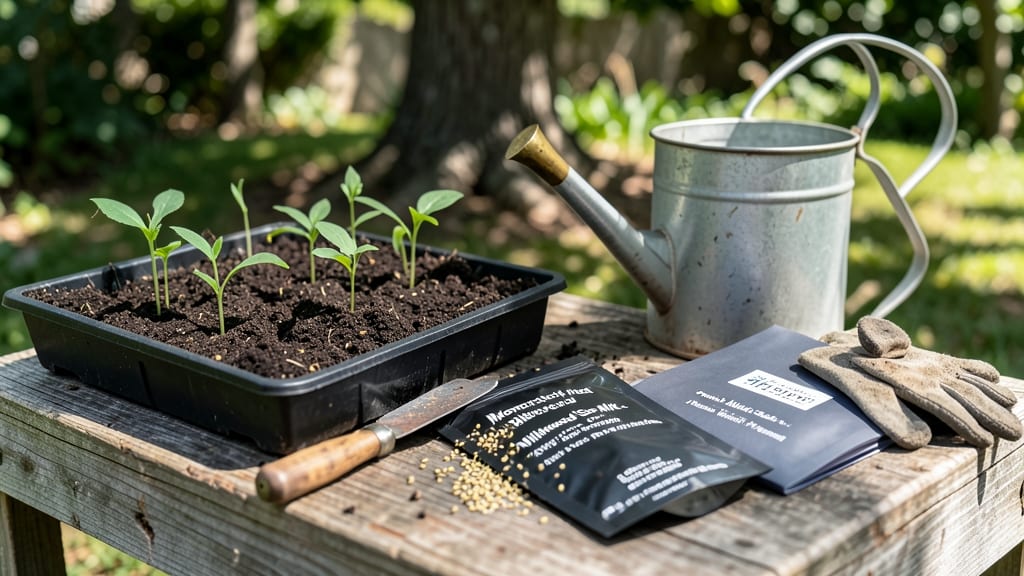
Planting a monarch seed mix transforms your yard into a butterfly superhighway. 🌿 These specialized blends pack milkweed—monarch caterpillars' only food source—with nectar-rich flowers to fuel migrating adults. My first mix bloomed in 6 weeks, and within days, orange wings fluttered through the garden like living jewels.
The secret lies in timing and placement: sow seeds in spring or fall where they’ll get 6+ hours of sun, and keep soil moist until germination. Milkweed thrives in average soil but hates soggy roots—amend heavy clay with compost if needed.
Native milkweed varieties (like Asclepias tuberosa) are drought-tolerant once established, while tropical species need consistent moisture. By midsummer, you’ll see caterpillars munching leaves, chrysalises dangling from stems, and adults sipping nectar from coneflowers and black-eyed Susans.
The ecosystem thrives when you pair milkweed with pollinator magnets like bee balm or goldenrod. Just avoid pesticides—even "organic" sprays can harm monarchs. This mix works year-round in frost-free climates, but in colder zones, plant early for spring emergence. The payoff?
A garden that doesn’t just look beautiful, but actively supports monarch survival. Let’s get those seeds in the ground!
📚 In This Guide
- What you need
- Instructions
- Tips and common mistakes
- Wrapping up and next steps
What you need
- ● Monarch seed mix blend: 5–10 lbs (adjust based on planting area; ~1 lb covers ~100 sq. ft.). Look for native wildflowers like milkweed (critical for monarchs!), coneflower, black-eyed Susan, and purple coneflower.
- ● Well-draining soil: Test soil pH (ideal: 6.0–7.5). Amend with compost if needed.
- ● Garden tools: Hand trowel or broadcast spreader
- ● Rake (for loosening soil)
- ● Gloves (to protect your hands!)
- ● Water source: Hose with gentle spray nozzle or watering can.
- ● Soil conditioners: Perlite or vermiculite (for sandy soil) or peat moss (for clay).
- ● Organic mulch: Straw or shredded leaves to retain moisture.
- ● Fertilizer: Low-phosphorus, slow-release fertilizer (e.g., 5-5-5 ratio).
- ● Pollinator-friendly companions: Additional native seeds like bee balm or butterfly weed.
- ● Sunlight tracker: Sunny spot (6+ hours/day) marked with stakes or flags.
Step-by-step instructions for planting a monarch-friendly seed mix
Here's how to create a thriving pollinator garden that keeps monarchs visiting all season long.
🌱 Step 1: Prepare the Planting Site for Maximum Pollinator Appeal
Choose a location with at least 6 hours of sunlight daily—monarchs need nectar-rich blooms, and most pollinator plants thrive in full sun. Clear the area of weeds and loosen the soil to a depth of 4-6 inches using a garden fork. Monarchs prefer native plants, so avoid compacted soil that restricts root growth.
Amend the soil with 1-2 inches of compost mixed into the top 6 inches. This improves drainage and provides nutrients without overwhelming young plants. Test the soil pH—most pollinator plants prefer a range of 6.0-7.0. If your soil is too acidic, add lime to raise the pH gradually over a few weeks.
☀️ Step 2: Select and Plant the Right Seed Mix for Year-Round Blooms
Use a pre-mixed monarch seed blend containing milkweed (for caterpillars) and nectar plants like coneflower, black-eyed Susan, and butterfly weed. Space seeds 12-18 inches apart in rows 18-24 inches apart to allow airflow and prevent disease. Plant seeds ¼ inch deep—they need light to germinate, so avoid burying them too deeply.
Water gently after planting to settle the soil around the seeds. Keep the area moist but not soggy until germination, which typically occurs in 7-14 days depending on temperature. If planting in late summer, use a seedling heat mat to encourage faster germination before cooler weather sets in.
💧 Step 3: Maintain Moisture and Encourage Continuous Blooms
Water deeply once a week during the first growing season, allowing 1 inch of water to penetrate the soil. Once established, most pollinator plants are drought-tolerant, but consistent moisture helps them thrive. Mulch with 2-3 inches of organic mulch (like shredded leaves or straw) to retain moisture and suppress weeds.
Deadhead spent blooms regularly to encourage continuous flowering. This keeps nectar available for adult monarchs year-round. Fertilize lightly with a balanced, slow-release fertilizer (10-10-10) in early spring and again after the first flush of blooms. Avoid high-nitrogen fertilizers—they promote leafy growth at the expense of flowers.
✂️ Step 4: Protect and Expand the Habitat for Long-Term Success
Monitor for pests like aphids or spider mites, which can stress plants and deter pollinators. Use neem oil or insecticidal soap as needed, but prioritize prevention by keeping the garden healthy. Leave some seed heads standing over winter—they provide food for birds and shelter for overwintering monarchs.
After the first year, thin out overcrowded plants to improve airflow and reduce disease risk. Add new pollinator species each season to extend the blooming period. By year three, your garden should attract monarchs spring through fall, with some plants blooming even in winter.
Tips & tricks for planting a monarch haven
Creating a monarch-friendly garden takes a little extra planning, but these insider tips will help you maximize your efforts and ensure your pollinator garden thrives.
Location is Everything: While the instructions call for at least 6 hours of sunlight daily, I've found that monarchs are even more active in spots with morning sun and afternoon shade—especially in hot climates. This gives them a cooler place to rest while still providing energy-rich blooms. If your garden gets intense afternoon sun, consider planting taller nectar sources like coneflower at the back and lower-growing milkweed in the front for shade.
Soil Prep Secrets: The recommended 4-6 inch soil loosening is perfect, but I like to add a handful of perlite to the compost mix when amending the soil. This improves aeration even more, which is crucial for milkweed roots that need good drainage. If your soil is particularly heavy clay, work in an extra 1/2 inch of coarse sand along with the compost to prevent compaction—this makes all the difference for young seedlings.
Seasonal Planting Strategy: For a continuous bloom cycle, I stagger my plantings by about 3 weeks. Start with early bloomers like milkweed in spring, then follow with coneflower and black-eyed Susan in late spring. This ensures there's always something in bloom from spring through fall. The 7-14 day germination window gives you flexibility—just keep seeds consistently moist during this critical period.
Pest Prevention Pro Tip: While neem oil is excellent for treating pests, I've found that planting a border of native grasses around the perimeter creates a natural barrier that deters many garden pests before they reach your pollinator plants. The airflow from spacing seeds 12-18 inches apart also helps prevent fungal diseases that can stress plants and make them more vulnerable to pests.
Pro Tips for Monarch Seed Mix
- Creating a monarch-friendly garden takes a little extra planning, but these insider tips will help you maximize your efforts and ensure your pollinator garden thrives.
- Location is Everything: While the instructions call for at least 6 hours of sunlight daily, I've found that monarchs are even more active in spots with morning sun and afternoon shade—especially in hot climates.
- Soil Prep Secrets: The recommended 4-6 inch soil loosening is perfect, but I like to add a handful of perlite to the compost mix when amending the soil.
Frequently asked questions
Got questions about growing a thriving monarch seed mix? You’re not alone—many gardeners want to know the best ways to support these iconic pollinators. Here are answers to the most common queries to help you get started confidently!
When is the best time to plant monarch seed mix?
For spring planting, sow seeds as soon as the soil reaches at least 60°F (15°C)—typically late April to early May in most U.S. zones. If you’re planting in fall, aim for 6-8 weeks before your first frost (late August to early October). Winter sowing (Jan–Feb) also works in mild climates! Just ensure seeds stay moist until germination.
Why aren’t butterflies visiting my monarch seed mix?
Don’t worry—it’s often a matter of timing and habitat. Monarchs need nectar-rich flowers (like milkweed + coneflowers) and host plants for caterpillars. If blooms are sparse, try:
- Adding a pollinator-friendly fertilizer (low nitrogen, high phosphorus).
- Planting in sunny spots (6+ hours of light daily).
- Keeping soil moist but not soggy during germination.
- Waiting 2–3 weeks for flowers to emerge—some varieties take time!
Is monarch seed mix expensive? Are there cheaper alternatives?
Prices vary, but a 1-pound mix typically costs $10–$25 and covers 1,000–2,000 sq. ft. For budget-friendly options:
- Buy in bulk from reputable seed companies (e.g., Native American Seed or Pollinator Paradise).
- Save seeds from mature plants—many annuals self-seed easily!
- Try low-cost perennials like bee balm, goldenrod, or black-eyed Susan (often cheaper than mixes).
Can I grow monarch seed mix in containers or small spaces?
Many compact varieties thrive in containers, raised beds, or even window boxes. Choose dwarf milkweed (e.g., Asclepias tuberosa ‘Gay Butterflies’) or smaller perennials like purple coneflower. Use pots at least 12” deep with drainage holes and a well-draining potting mix. Place in full sun and water consistently—containers dry out faster!
How do I maintain monarch seed mix for year-round blooms?
To keep flowers blooming season after season, follow these steps:
- Deadhead spent blooms (snip flowers just above the next set of leaves) to encourage regrowth.
- Fertilize lightly in spring with organic compost or a pollinator-safe fertilizer (avoid high-nitrogen options).
- Water deeply but infrequently—aim for 1 inch per week (adjust for drought).
- Mulch around plants (2–3 inches of straw or shredded leaves) to retain moisture and suppress weeds.
- Divide perennials every 2–3 years to prevent overcrowding.
Wrapping up and next steps
Transforming your garden into a monarch haven is easier—and more rewarding—than you think! 🌸 With the right monarch seed mix, you’re not just planting flowers; you’re creating a thriving ecosystem that supports these iconic pollinators year-round. Start small, stay consistent, and watch your yard become a buzzing, fluttering paradise.
Ready to take the next step? Grab your seed mix, pick a sunny spot, and plant with confidence! Your future monarch visitors will thank you—one winged stop at a time. 🦋