
Size
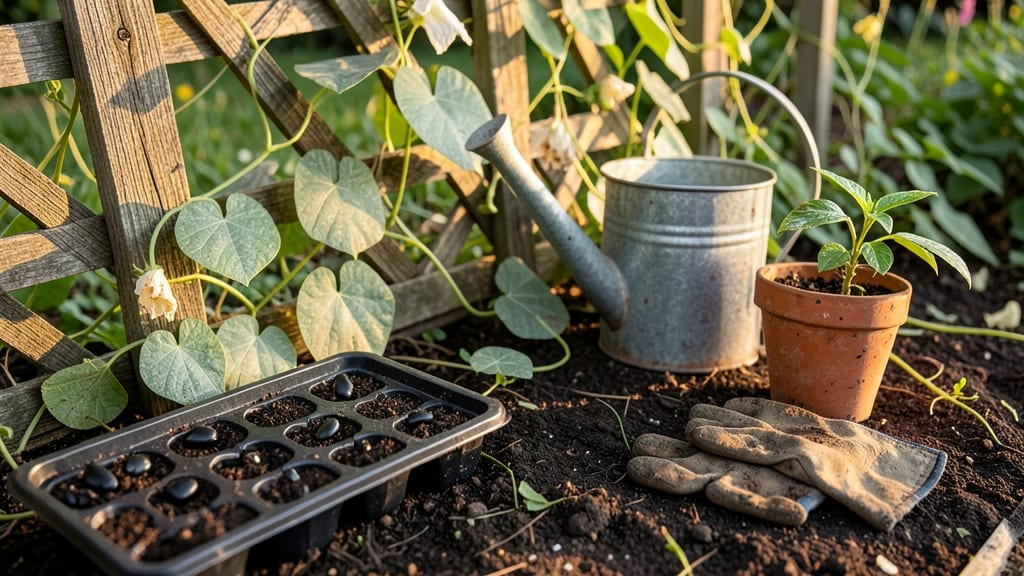
Moonflower seeds transform your garden into a twilight spectacle with one simple trick—plant them in late spring when night temperatures stay above 60°F. 🌙 I’ve grown these vines for years, and the secret isn’t just the timing but how you prep the soil and coax those first delicate shoots.
These fast-growing annuals climb like crazy, covering trellises or fences in weeks, but they need the right start to avoid flopping or bolting too soon.
The magic happens in well-draining soil mixed with compost—moonflowers hate soggy roots. Plant seeds just ½ inch deep, spaced 6-12 inches apart, and water gently to keep the soil moist but not waterlogged.
They thrive in full sun, but in hot climates, afternoon shade helps them last longer. The real game-changer? A sturdy trellis or strong fence—these vines can grow 10-15 feet in a single season, so give them something sturdy to grip.
By mid-summer, you’ll be rewarded with giant, fragrant white blooms that open at dusk and close by dawn, earning their name. The flowers are short-lived but prolific, and each one attracts hundreds of moths, turning your garden into a nocturnal hotspot.
With proper care, you’ll have blooms for 6-8 weeks, and the seeds you collect can be saved for next year—zero waste, just like the promise.
Watch for squash vine borers and aphids, which love moonflowers too. A quick spray of neem oil keeps pests at bay, and regular pruning of spent blooms encourages more flowers.
Even in small spaces, these vines deliver dramatic results—just don’t plant them where they’ll block walkways or windows. Ready to grow your own moonlit garden?
📚 In This Guide
- What you need
- Instructions
- Tips and common mistakes
- Wrapping up and next steps
What you need
- ● Moonflower seeds (Ipomoea alba): 5–10 seeds (organic, non-GMO preferred for zero-waste gardening).
- ● Biodegradable seed-starting pots (or recycled containers like egg cartons or toilet paper rolls).
- ● Potting soil: 1–2 gallons of well-draining, organic compost mix (or DIY with coconut coir + worm castings).
- ● Watering can or spray bottle (for gentle hydration).
- ● Garden twine or bamboo stakes (3–4 ft tall for trellis support).
- ● Compost or mulch (to retain moisture and reduce waste).
- ● Hand trowel (for transplanting seedlings).
- ● Pruning shears (to trim dead vines and encourage bushier growth).
- ● pH testing kit (to ensure soil pH is 6.0–7.0, ideal for moonflowers).
- ● Natural fertilizer (like banana peels or diluted fish emulsion for a zero-waste boost).
- ● Garden journal (to track growth and blooms—because every moonflower deserves a story!).
- ● A sunny spot with at least 6–8 hours of direct sunlight daily (moonflowers are sun-worshippers!).
- ● Access to water (moonflowers love moisture but hate soggy roots—balance is key!).
- ● Patience! Moonflowers grow fast (6–8 inches per week) but need time to climb and bloom.
- ○ Optional: A trellis or fence (if you want vertical growth—these vines can reach 10+ feet!).
Step-by-step instructions for growing moonflowers
Moonflowers thrive with minimal fuss—here's how to coax those magical blooms from seed.
🌱 Step 1: Choose the Right Location and Prepare the Soil
Moonflowers (Ipomoea alba) need a sunny, sheltered spot with well-draining soil. I always pick a south-facing wall or fence where they can climb—these vines grow 10-15 feet in one season. The soil should be loamy and fertile, amended with 2-3 inches of compost worked into the top 12 inches of soil. If your soil is heavy clay, mix in sand or perlite to improve drainage.
Moonflowers are sensitive to waterlogged roots, so test drainage by digging a 6-inch deep hole, filling it with water, and checking how quickly it drains. If it takes longer than 30 minutes, amend the soil further. I also add a 5-10-5 fertilizer at planting time to give them a nutrient boost for their rapid growth.
🌱 Step 2: Sow Seeds Directly After Last Frost
Moonflowers hate transplanting, so sow seeds directly in the garden after your last frost date when soil temperatures reach at least 65°F. Plant seeds ½ inch deep in mounds or hills spaced 6-8 inches apart—this encourages stronger root systems and better air circulation. I like to plant 3-4 seeds per mound and thin to the strongest seedling once they sprout.
Water gently after planting to settle the soil around the seeds, but avoid soaking the area. Moonflower seeds need moisture but not saturation to germinate. Cover the area with straw mulch to retain moisture and suppress weeds. Germination takes 7-14 days—watch for the first heart-shaped leaves (cotyledons) to emerge.
☀️ Step 3: Provide Support and Encourage Climbing
As soon as seedlings reach 4-6 inches tall, install a trellis, fence, or sturdy stakes for them to climb. Moonflowers twine counterclockwise, so I always use a rot-resistant wooden trellis or a metal cage to support their weight. Avoid plastic trellises—they can get too hot in summer and burn the vines.
Train the main vine along the trellis by gently weaving it through the supports. Once the vine reaches the top, it will naturally cascade downward, creating a stunning waterfall of blooms. Prune side shoots to encourage one strong main stem—this ensures bigger, more dramatic flowers. Water at the base once a week unless rainfall provides 1 inch of moisture—deep watering prevents shallow roots.
💧 Step 4: Maintain Moisture and Fertility for Blooms
Moonflowers bloom only at night and close by mid-morning, so they need consistent care to produce their signature white, moon-shaped flowers. Mulch around the base with 2-3 inches of organic mulch (like shredded leaves or straw) to retain moisture and regulate soil temperature. I fertilize lightly every 4-6 weeks with a balanced liquid fertilizer (like 10-10-10) to support continuous blooming.
Deadhead spent blooms to encourage more flowers, but leave a few to dry on the vine if you want to collect seeds for next year. Moonflowers are annuals, so they’ll die back after frost, but they self-seed prolifically if left undisturbed. Watch for powdery mildew—if you see white powder on leaves, spray with a baking soda solution (1 tablespoon per gallon of water) to prevent spread.
⏰ Step 5: Collect Seeds for Zero-Waste Viability
After blooms fade, small pods form—these contain the next generation of seeds. Let 2-3 pods dry completely on the vine (they’ll turn brown and papery). Once dry, gently crush the pods to release seeds, then store them in a paper envelope in a cool, dry place. Moonflower seeds remain viable for 2-3 years, so you’ll always have a fresh supply.
Here’s the trick for higher germination rates: soak seeds in warm water for 12 hours before planting. This mimics natural rainfall and softens the seed coat. Plant the soaked seeds ½ inch deep in well-drained soil, and they’ll sprout faster. With this method, you’ll have zero-waste moonflowers year after year—no need to buy new seeds!
Tips & tricks for perfect moonflower growth
Moonflowers reward patience with their ethereal blooms—here’s how to maximize your success from seed to seed.
Soil Science: The 30-minute drainage test is your secret weapon against waterlogged roots. If your soil drains slower, mix in an extra 1 inch of perlite or coarse sand into the top 12 inches—this creates air pockets that moonflowers crave. I’ve seen roots rot after just 48 hours of soggy conditions, so don’t skip this step! The loamy texture you’re aiming for should resemble well-aged potting soil, not compacted clay.
Germination Boost: That 12-hour warm water soak before planting isn’t just optional—it’s the difference between waiting 14 days and seeing sprouts in 7. Use water heated to about 80°F (just warm enough to touch comfortably) and keep seeds submerged in a sealed container. This mimics spring rains and softens the tough seed coat. Pro tip: Label your soaked seeds with the date to track germination progress.
Support System: When your seedlings hit 4-6 inches, don’t just slap up any trellis—opt for rot-resistant materials like cedar or metal. Plastic trellises can scorch vines in summer heat, and flimsy supports snap under the weight of 10-foot vines. I’ve had success with simple T-posts wrapped in burlap for a rustic look, but always secure the base to prevent tipping in wind.
Night-Bloom Hack: Moonflowers open their flowers at dusk and close by mid-morning, so timing your care matters. Water in the late afternoon to keep soil moist for nighttime blooming, but avoid evening watering after flowers open—they’re sensitive to moisture when fully unfurled. I’ve noticed blooms last longer when I water at the base rather than overhead, which prevents fungal spores from landing on petals.
Pro Tips for Moonflower Seed Grow A Garden
- Moonflowers reward patience with their ethereal blooms—here’s how to maximize your success from seed to seed.
- Soil Science: The 30-minute drainage test is your secret weapon against waterlogged roots.
- Germination Boost: That 12-hour warm water soak before planting isn’t just optional—it’s the difference between waiting 14 days and seeing sprouts in 7.
Frequently asked questions
about growing moonflower seeds—because even the most passionate gardeners need a little guidance! Here are answers to the most common questions to help you cultivate these stunning, eco-friendly blooms with confidence.How long does it take for moonflower seeds to germinate?
Moonflower seeds typically sprout within 7–14 days when planted in warm, moist soil (around 70–85°F). For faster results, soak seeds in warm water for 24 hours before planting. Patience is key—if germination takes longer, check soil moisture and warmth.
Can moonflower seeds grow in containers, or do they need a garden bed?
Moonflowers thrive in large containers (at least 12–18 inches deep) with well-draining soil. Just ensure the pot has drainage holes and provide a trellis or sturdy support for their vines. Containers work great for balconies or patios—no garden bed required!
Why aren’t my moonflower seeds sprouting? Troubleshooting tips?
If your seeds aren’t germinating, check these common issues:
- Cold soil: Moonflowers love warmth—wait until nighttime temps stay above 60°F.
- Dry soil: Keep soil consistently moist (not soggy) until sprouts appear.
- Old seeds: Store-bought seeds last 1–2 years; fresher is better.
- Depth: Plant seeds only ½ inch deep—too deep can delay germination.
Are moonflowers annuals or perennials? Will they come back next year?
Moonflowers (Ipomoea alba) are fast-growing annuals in most climates, meaning they complete their life cycle in one season. However, in USDA Zones 9–11, they may self-seed or return if conditions are ideal. Save seeds from healthy plants for next year’s garden!
What can I plant alongside moonflowers for a pollinator-friendly garden?
Moonflowers attract moths, hummingbirds, and bees—pair them with:
- Night-blooming evening primrose (for nocturnal pollinators).
- Daytime favorites like zinnia or marigold.
- Herbs such as basil or dill to repel pests naturally.
Wrapping up and next steps
Growing moonflower seeds is a rewarding way to add beauty and sustainability to your garden—plus, you’ll enjoy zero-waste blooms that thrive with minimal effort! 🌙 With the right soil, sunlight, and a little patience, you’ll soon have fragrant, night-blooming flowers that attract pollinators and bring magic to your space.
Ready to take the next step? Start small with a few seeds, experiment with companion plants, and watch your garden flourish—one moonlit bloom at a time.
Pro tip: Share your progress with fellow gardeners or tag us in your photos—we’d love to see your moonflower magic in action! 🌱