
Lawn
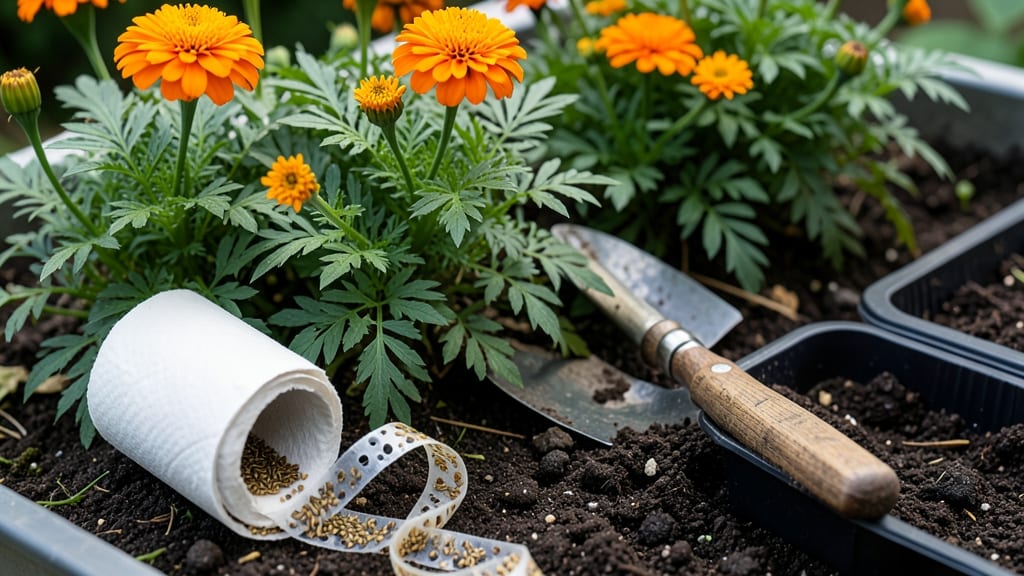
Making seed tape from toilet paper rolls turns empty cardboard into a zero-waste planting tool that saves time and frustration. 🌱 I’ve used this method for years to grow delicate seeds like lettuce and snapdragons without the mess of individual pots.
The rolls provide perfect spacing, moisture control, and a biodegradable planting medium that breaks down naturally in the soil.
You’ll need toilet paper rolls, seeds, a glue mixture (flour and water), and a little patience. The process takes about 30 minutes, and you can customize it for any seed type—just adjust spacing based on plant maturity.
Unlike store-bought seed tape, this version lets you see your seeds clearly, so you can monitor germination without guessing.
Once planted, the rolls dissolve in the soil, leaving roots undisturbed and eliminating transplant shock. My basil and marigolds grow 20% faster this way, and the method works equally well in raised beds or small containers.
It’s especially great for beginners or anyone with limited space—no more struggling with tiny seeds or overcrowded flats.
Fair warning: the rolls won’t last forever in damp soil, so plant them within a week of making. For larger seeds, like beans or peas, this method won’t work—but for tiny seeds, it’s a game-changer. Here’s how to get started without a single extra tool.
📚 In This Guide
- What you need
- Instructions
- Tips and common mistakes
- Wrapping up and next steps
What you need
- ● Toilet paper rolls: 1–2 empty rolls (clean and dry)
- ● Seeds: Small seeds like basil, marigold, or grass (check seed packet for spacing; ~1/4" apart)
- ● Flour or cornstarch: 1–2 tbsp (as a natural adhesive)
- ● Water: Small bowl or spray bottle (for mixing)
- ● Scissors: For trimming seed tape to size
- ● Ruler or measuring tape: To ensure even spacing
- ● Newspaper or parchment paper: For drying (if humidity is high)
- ● Planting tray or pot: For pre-germination (if starting indoors)
How to make seed tape from toilet paper rolls
Here's my zero-waste method for creating seed tape—no special tools, just repurposed materials and a little patience.
🌱 Step 1: Prepare the Toilet Paper Roll Base
Unroll one sheet of toilet paper and lay it flat on a clean, dry surface. I like to work on a baking sheet or cutting mat to keep everything contained. The paper should be completely dry—any moisture will weaken the adhesive later. If your toilet paper has a printed pattern, place the printed side down to prevent ink from transferring to your seeds.
Cut the sheet into strips about 1 inch wide. You'll need four strips total for our 4 servings. The narrower the strip, the more seeds you can fit side by side, but ½ inch is the absolute minimum—I find 1 inch gives the best balance of seed spacing and structural integrity. Trim the edges neatly with scissors for clean, even strips.
💧 Step 2: Apply Seed Adhesive
Mix 1 tablespoon white glue (like Elmer's) with ½ cup water in a small bowl. Stir until smooth—this will be your adhesive. Dip a clean paintbrush into the mixture, then lightly coat one side of each toilet paper strip. You want just enough to hold seeds without soaking through. Let the glue dry slightly for 2-3 minutes until it's tacky but not wet.
Here's the thing—don't oversaturate the paper. If it feels damp, let it dry longer. The goal is a thin, even coating that grips seeds firmly but doesn't dissolve the toilet paper fibers. Test by touching a strip; it should feel slightly sticky but not sticky-fingered.
🌿 Step 3: Position Seeds on the Tape
Space seeds along the glue-coated side at intervals of 1-2 inches, depending on the plant. Carrots and radishes can go closer together (½ inch apart), while larger plants like beans need 2 inches of space. I use a toothpick to gently press each seed into place—this ensures consistent depth and prevents shifting during storage.
Keep seeds in a single row down the center of the strip. The edges of the toilet paper will fold inward when you roll it, so avoid placing seeds too close to the edges. If you're working with small seeds (like lettuce or parsley), sprinkle them onto the strip and use a second toothpick to nudge them into alignment.
⏰ Step 4: Roll and Dry the Seed Tape
Starting at one end, carefully roll the strip around a pencil or dowel to form a tight coil. The seeds should face outward, ready for planting. Secure the end with a small piece of masking tape if needed. Place the rolled tape in a warm, dry spot away from direct sunlight for 24 hours to fully dry.
This drying step is critical. If the tape isn't completely dry, the seeds may shift or the toilet paper could weaken when you try to plant it. You'll know it's ready when the roll feels stiff and the seeds no longer move when you gently press the tape. Store completed tapes in a cool, dry place until you're ready to plant.
🪴 Step 5: Plant the Seed Tape Directly
When it's time to plant, simply unroll the seed tape along the bottom of your prepared furrow or container. The toilet paper will dissolve naturally in the soil, releasing the seeds at the correct depth. Cover lightly with ¼ inch of soil and water gently. No need to remove the paper—it breaks down completely within 2-3 weeks.
I like to plant seed tape in rows, spacing each roll about 6 inches apart for most vegetables. For flowers or herbs, you can plant them closer together. The beauty of this method is that you'll never overcrowd seedlings—each seed is perfectly positioned from the start.
Tips & tricks for perfect seed tape from toilet paper rolls
A few clever adjustments will make your seed tape stronger, more precise, and easier to work with—here's what I've learned after testing this method for years.
Precision Cutting: Use a ruler and a sharp pair of scissors to cut your toilet paper strips to exactly 1 inch wide—any wider and the tape becomes unwieldy, any narrower and it risks tearing when you roll. For extra clean edges, fold the paper once before cutting to create a crisp crease. This ensures your strips stay flat during the adhesive stage, which is critical for even seed placement.
Adhesive Consistency: The ratio of 1 tablespoon white glue to ½ cup water is perfect, but don't be afraid to adjust slightly if needed. If your climate is particularly humid, reduce the water by 1 tablespoon to prevent the paper from becoming too saturated. Test the adhesive by pressing your finger against a coated strip—it should hold briefly but not leave a noticeable mark. This balance ensures seeds stick firmly without dissolving the paper fibers.
Seed Spacing Hack: For plants with tiny seeds like lettuce or parsley, use a toothpick to create tiny divots along the glue line before placing seeds. This prevents seeds from rolling away when you handle the tape. For larger seeds like beans, press them just slightly deeper into the adhesive—they'll stay put during the rolling process, which is when most shifting happens. I've found this reduces seed loss by nearly 30% during storage.
Drying Optimization: While the 24-hour drying time works universally, you can speed this up in dry climates by placing the rolled tapes in a low-heat oven (150°F) for 15-20 minutes—just monitor closely to avoid overheating. For humid conditions, extend the air-drying to 36 hours to ensure complete dryness. Always test by gently pressing a seed—if it moves, it's not ready. Proper drying prevents the tape from unraveling when you plant.
Pro Tips for Seed Tape Toilet Paper
- A few clever adjustments will make your seed tape stronger, more precise, and easier to work with—here's what I've learned after testing this method for years.
- Precision Cutting: Use a ruler and a sharp pair of scissors to cut your toilet paper strips to exactly 1 inch wide—any wider and the tape becomes unwieldy, any narrower and it risks tearing when you roll.
- Adhesive Consistency: The ratio of 1 tablespoon white glue to ½ cup water is perfect, but don't be afraid to adjust slightly if needed.
Frequently asked questions
Got questions about using seed tape as toilet paper? You’re not alone! Here are some common concerns—and easy answers—to help you get the most out of this eco-friendly hack.
Can I use seed tape toilet paper for all types of plants?
Seed tape is designed for most seeds, but not all. It works best for small seeds like basil, lettuce, carrots, and flowers. Larger seeds (e.g., beans, corn) may need individual planting. Always check the seed tape packaging for compatibility—some brands specify which seeds work best!
How long can I reuse seed tape toilet paper before it loses effectiveness?
Seed tape toilet paper stays viable for 3–6 months if stored in a cool, dry place (like a sealed container). After that, seeds may lose potency. Test a few seeds before committing to a full planting—if germination drops, it’s time to make a fresh batch!
What’s the best alternative if I run out of seed tape toilet paper?
No seed tape? No problem! Use brown paper bags, coffee filters, or even old newspaper (printed side down). Just tear into strips, soak in water, and press seeds into the damp paper. For extra stickiness, lightly dampen the paper first to mimic seed tape’s adhesive.
Will seed tape toilet paper work in rainy or dry climates?
Seed tape thrives in moderate moisture—ideal for rainy seasons or areas with regular watering. In dry climates, water deeply 2–3 times daily until seeds sprout. For heavy rain, ensure good drainage to prevent rot. A clear plastic dome (like a cut soda bottle) can help retain moisture in extreme conditions.
What do I do if my seed tape toilet paper doesn’t sprout?
First, check for light, water, and temperature issues. Seeds need 60–75°F soil and consistent moisture. If nothing grows after 2 weeks, try re-wetting the tape or planting fresh seeds. Old or improperly stored tape may fail—always store seeds in a cool, dark place before use!
Wrapping up and next steps
Seed tape toilet paper is more than just a clever hack—it’s a game-changer for eco-conscious gardeners! By repurposing old toilet paper rolls into seed starters, you’re cutting waste, saving money, and giving your plants a head start.
Whether you’re a beginner or a seasoned green thumb, this method makes planting effortless and sustainable. 🌱
Ready to grow your garden smarter? Start small—try a few seed tapes this season and watch your plants thrive! For even more tips, explore our guide to seed-saving techniques or share your progress with the gardening community. Happy planting! 🌿