
Propagation
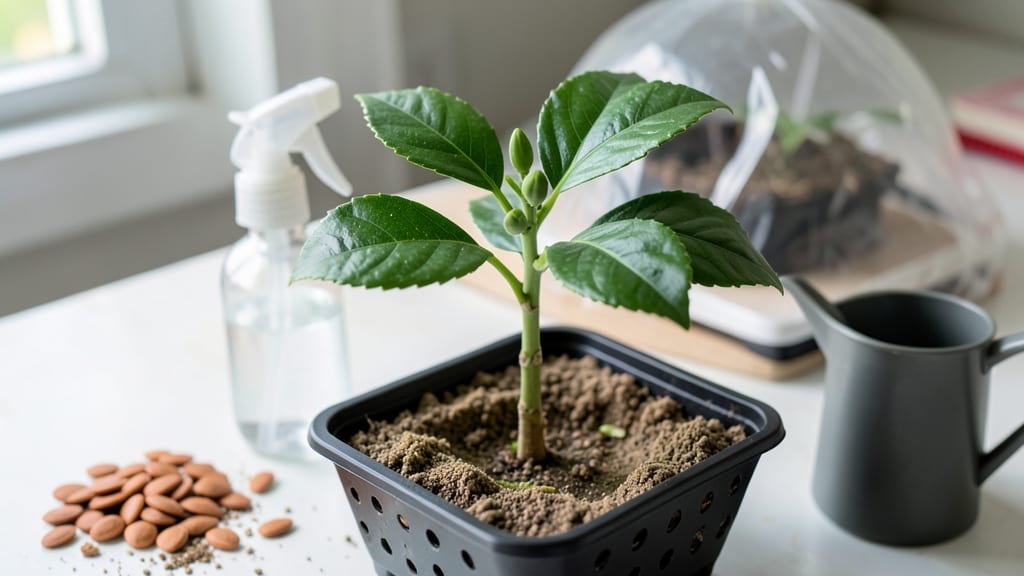
Orange seed germination starts with the right moisture balance—too dry, they won’t wake up; too wet, they’ll rot before sprouting. 🌱 I’ve tested sweet and bitter orange seeds, and the key is patience (and a spray bottle). The first 7 days set the tone for whether you’ll end up with a scraggly seedling or a sturdy start.
You’ll need a shallow container, damp paper towels or peat pellets, and a warm spot (around 70-75°F). No fancy equipment—just a clear plastic bag to trap humidity.
The tricky part? Citrus seeds need consistent dampness without sitting in water. I learned that the hard way after losing three batches to mold.
By day 7, you might see a tiny white root poking through, or you might still be waiting. That’s normal—citrus seeds can take 2-4 weeks to germinate.
Once they do, keep them in bright, indirect light and avoid letting the soil dry out. The first true leaves signal it’s time to transplant.
Here’s the secret weapon: a humidity dome (even a plastic cup with the bottom cut off works). It keeps conditions stable while the seedling builds strength. And yes, you can grow a full-sized tree—though it’ll take years.
Start with the right moisture, and you’ll be well on your way to a citrus sapling.
📚 In This Guide
- What you need
- Instructions
- Tips and common mistakes
- Wrapping up and next steps
What you need
- ● Orange seeds: 3–5 fresh, plump seeds (harvested from organic or pesticide-free oranges for best results).
- ● Seed-starting mix: 1 small container (4–6 inches deep) of sterile, well-draining potting soil (avoid garden soil—it can harbor fungi!).
- ● Spray bottle: 8–16 oz with a fine mist nozzle (for gentle hydration).
- ○ Clear plastic dome or ziplock bag: To create a humidity tent (optional but highly recommended).
- ● Small pots or seed trays: 2–3 individual containers (2–3 inches wide) with drainage holes.
- ● Tweezers or toothpick: For carefully placing seeds 1/4-inch deep in soil.
- ● Ruler: To measure seed depth and spacing (aim for 1 inch apart).
- ○ Heating mat (optional): A seedling heat mat (70–75°F range) to speed up germination.
- ● Grow lights or sunny windowsill: 6+ hours of indirect light daily after sprouting.
- ○ Funnel (optional): Helps transfer seedlings to larger pots later.
- ● Patience! Orange seeds can take 7–14 days to sprout—consistency is key.
- ● Access to warmth (65–80°F) for optimal germination.
- ● A dedicated space to monitor moisture levels (overwatering = seed rot!).
Step-by-step instructions for germinating orange seeds
Here's how to coax those tiny orange seeds into sprouts—fast and without fuss.
🌱 Step 1: Extract and Prepare the Seeds
Cut an orange in half and scoop out the seeds with a spoon, being careful not to crush them. Rinse them under cool water to remove any pulp clinging to the surface. I like to spread them on a paper towel to dry for about 1 hour—this prevents mold later. The seeds should feel dry to the touch but not brittle.
While they dry, fill a small container (like a shallow plastic takeout box) with a damp paper towel. The towel should be moist but not dripping—squeeze it gently to test. You want it damp enough to hold together when pinched, but not soaking wet. This setup keeps the seeds in perfect moisture without drowning them.
💧 Step 2: Stratify for Faster Germination
Place the dried seeds between two layers of the damp paper towel, spacing them about 1 inch apart so they don’t touch. Fold the towel loosely and tuck it into a sealed plastic bag. Seal it tightly but leave a tiny gap for airflow—this prevents mold while keeping humidity high.
Put the bag in the refrigerator for 3-5 days. This cold treatment (called stratification) mimics winter conditions and tricks the seeds into thinking it’s time to grow. Check them after 3 days: if any seeds have sprouted, remove them and move them to a warm spot. If not, give them two more days in the fridge.
☀️ Step 3: Warm Up and Watch for Sprouts
After stratification, transfer the bag to a warm spot—like on top of your fridge or near a sunny window. Keep it in indirect light for the first 3-4 days until you see tiny white roots emerge. This is the moment that matters: once roots appear, move the seeds to a bright spot with 6-8 hours of indirect light daily.
Open the bag slightly each day to let fresh air circulate. You’ll see sprouts in 3-7 days—they’ll look like tiny green tails poking through the seed coat. Don’t rush to plant them yet. Wait until the sprouts are at least ½ inch tall before transplanting to soil.
🪴 Step 4: Transplant Sprouts to Soil
Fill small pots (about 2-3 inches deep) with a light, well-draining potting mix. Make a tiny hole with your finger—just deep enough to nestle the sprout without burying it too deep. Gently place the sprout in the hole, covering the roots but leaving the top half exposed.
Water lightly from the bottom by placing the pot in ½ inch of water for 10 minutes. This prevents disturbing the delicate roots. Keep the soil consistently moist but never soggy. In 2-3 weeks, you’ll see the first true leaves—these look like tiny orange leaves, not the initial seed leaves.
Tips & tricks for perfect orange seed germination
Here's what nobody tells you about getting those stubborn orange seeds to sprout reliably—without the guesswork.
Moisture Control: The damp paper towel should feel like a wrung-out sponge—if water drips when squeezed, it's too wet. Too much moisture causes mold, while too little dries out the seeds. I test by pinching the towel: it should hold together but not feel soggy. This balance is key for the 1 hour drying phase and throughout stratification.
Stratification Shortcut: If you're impatient, check seeds after 3 days in the fridge. Some varieties sprout faster, and moving early sprouts to warmth prevents over-stratification. I've had seeds ready to transplant after just 4 days total—including the 3-5 days cold treatment.
Light Transition: The shift from indirect to direct light after root emergence is critical. Place your seedlings near an east-facing window for gentle morning sun, then move them to brighter light by afternoon. This gradual exposure prevents shock and helps them reach the ½ inch height needed for transplanting.
Transplanting Tip: When planting those ½ inch sprouts, use a toothpick to make the planting hole—it's gentler than fingers and gives you better control. The goal is to cover just the roots without burying the seed coat, which contains nutrients for early growth.
Pro Tips for Orange Seed Germination
- Here's what nobody tells you about getting those stubborn orange seeds to sprout reliably—without the guesswork.
- Moisture Control: The damp paper towel should feel like a wrung-out sponge—if water drips when squeezed, it's too wet.
- Stratification Shortcut: If you're impatient, check seeds after 3 days in the fridge.
Frequently asked questions
Got questions about germinating orange seeds?
You’re not alone—this process can feel tricky at first! Below, we’ve answered the most common questions to help you succeed with moisture-controlled sprouting in just 7 days.
How long does it take for an orange seed to germinate?
With the right conditions (warmth, moisture, and patience), orange seeds typically sprout in 7–14 days. Some may take longer, especially if stored seeds are used. Keep them consistently damp but not soggy—consistency is key!
Can I speed up germination?
Yes! Soak seeds in warm water for 24–48 hours before planting to kickstart hydration. Place them in a warm spot (70–80°F) and use a humidity dome or plastic wrap to retain moisture. Avoid direct sunlight until sprouts appear.
Why won’t my orange seeds sprout?
Common culprits include:
- Dry seeds – Keep them damp (not waterlogged).
- Cold temps – Orange seeds need warmth to germinate.
- Old seeds – Fresh seeds (from ripe oranges) work best.
- Poor drainage – Use a well-draining mix to prevent rot.
Can I grow an orange tree from a seed?
Yes, but expect a citrus tree—not a fruit-bearing orange tree like grocery-store varieties. Seed-grown oranges are often sour and take 5–10 years to produce fruit (if they do at all). For edible oranges, grafted trees are better.
What’s the best type of orange for germination?
Sweet oranges (like Navel or Valencia) germinate well, but bitter oranges (Seville) are easier and faster. Avoid hybrid or clementines—they’re harder to sprout. Always pick seeds from organic, pesticide-free fruit for best results!
Pro Tip:
If your seeds don’t sprout within 3 weeks, they may be dormant or dead. Don’t give up—try a new batch or check your moisture levels!
Wrapping up and next steps
Germinating orange seeds is a rewarding journey that blends simplicity with science—just a little patience and the right moisture balance can turn a humble seed into a thriving sapling in just 7 days! 🌱 By following the steps outlined here, you’ve unlocked the secrets to consistent sprouting, whether you’re growing for fun, sustainability, or even future fruit trees.
The key takeaway? Consistency is everything: keep those seeds cozy, hydrated, and undisturbed, and nature does the rest.
Now that you’re armed with knowledge, why not take the next step? Try experimenting with different citrus seeds (like grapefruit or lemon!) or even repurpose your newfound skills to propagate other houseplants. Your green thumb is just getting started—happy growing! 🌿