
Lawn
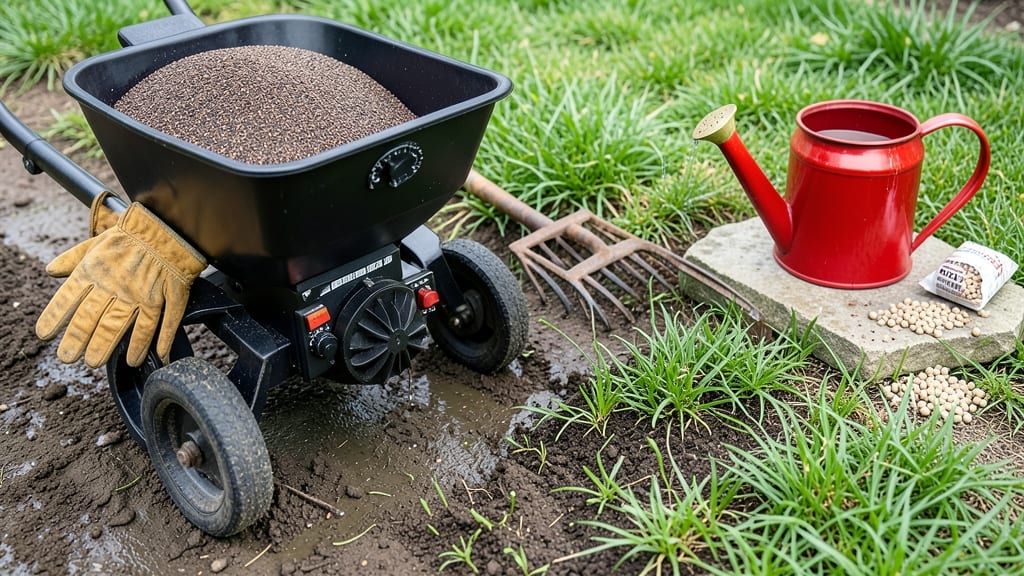
Seed a new lawn in fall—it’s the secret weapon for a thick, green carpet that earns compliments by next spring. 🌱 The cooler weather and shorter days create ideal conditions for seeds to germinate without the stress of summer heat or winter freeze—plus, weeds struggle to compete. The magic happens when soil stays warm enough to activate seeds but cool enough to prevent drought stress. I’ve seeded in fall for five years, and my lawn always outpaces neighbors who plant in spring. You’ll need a rake, seed spreader, and a light layer of starter fertilizer, but the real work is timing your sowing between 4-6 weeks before your first frost. By spring, you’ll have a stand of grass that’s already established roots and outgrows weeds naturally. The key is keeping the soil consistently moist for the first 3-4 weeks—no sprinkler system? A simple watering can works just as well. Works for both cool-season grasses (like fescue and ryegrass) and warm-season varieties in the Southern Hemisphere. Here’s how to nail the timing and care for your region.
📚 In This Guide
- What you need
- Instructions
- Tips and common mistakes
- Wrapping up and next steps
What you need
- ● Seed: 10–20 lbs per 1,000 sq. ft. Choose a cool-season grass mix (e.g., fescue, ryegrass, or bluegrass) suited to your climate.
- ● Topsoil or Compost: ¼–½ inch layer to improve soil quality and seed-to-soil contact.
- ● Lawn Rake: A bendable-tine rake (for seeding) or a stiff-bristle rake (for leveling soil).
- ● Spreaders: Broadcast spreader (for even seed distribution).
- ● Drop spreader (for precision in edges).
- ● Lawn Roller: A lightweight (30–50 lb) roller to press seed into soil.
- ● Water Source: A hose with a sprinkler head or garden hose with adjustable nozzle.
- ○ Mulch (Optional): Straw or peat moss (¼ inch thick) to retain moisture and protect seeds from birds.
- ● Clear the Area: Remove debris, rocks, and weeds. Use a shovel or sod cutter if needed.
- ○ Test Soil (Optional but Recommended): A soil test kit to check pH (ideal: 6.0–7.0) and fertility.
- ● Loosen Soil: Till or aerate to a depth of 2–3 inches for better seed penetration.
- ● Level the Ground: Fill low spots with soil and rake smooth for even seed coverage.
Step-by-Step instructions for seeding a new lawn in fall
Fall is the perfect time to establish a thick, resilient lawn—here’s how to do it right.
🪴 Step 1: Prepare the Soil for Optimal Germination
Start by removing all existing vegetation, rocks, and debris from the area. Use a shovel or sod cutter to scrape away grass and weeds, then till the soil to a depth of 4-6 inches. This breaks up compacted layers and encourages root growth. A soil test is ideal, but at minimum, work in 2-3 inches of compost to improve drainage and fertility.
Rake the surface smooth with a leveling rake, creating a fine, crumbly texture. The goal is a seed bed that’s firm enough to support foot traffic but loose enough for seeds to make direct contact with the soil. If your soil is heavy clay, mix in sand or perlite to improve aeration—seeds won’t germinate well if buried too deep or smothered by compacted earth.
🌱 Step 2: Choose and Spread Seed Evenly
Select a high-quality, cool-season grass seed blend suited to your climate (e.g., fescue for northern regions, ryegrass for transitional zones). For a 4,000 sq ft lawn, you’ll need about 8-12 lbs of seed. Use a broadcast spreader for large areas or a hand spreader for smaller sections, working in two perpendicular directions to ensure even coverage. Lightly overlap passes to avoid bare spots—this is where most lawns fail.
After spreading, rake the seed into the soil with a stiff-bristled rake, pressing it just enough to make contact without burying it. Seeds need light to germinate, so avoid deep incorporation. If you’re seeding in windy conditions, consider a thin layer of straw (¼ inch thick) to hold seeds in place until germination.
💧 Step 3: Water Gently but Consistently for Germination
The first 2-3 weeks are critical—keep the seed bed moist but never soggy. Water lightly 2-3 times daily (early morning, late afternoon, and evening) to maintain even moisture. You’ll know you’re doing it right when the top ½ inch of soil feels damp like a wrung-out sponge. Overwatering washes seeds away, while underwatering leaves them dry and dormant.
Once seedlings reach 2-3 inches tall (about 3-4 weeks after planting), reduce watering to 1 inch per week, including rainfall. This encourages deep root growth. Avoid walking on the lawn until the grass is 3-4 inches tall and mowed once—trampling young shoots stunts their development.
☀️ Step 4: Maintain Through Winter for Spring Success
Fall-seeded lawns benefit from a light application of slow-release fertilizer (high in nitrogen) 4-6 weeks after germination to support root establishment. Avoid heavy applications—too much fertilizer now can burn tender new growth. In colder climates, apply a thin layer of mulch or straw (¼ inch) over seeded areas to insulate seeds from freezing temperatures.
Reduce mowing frequency as winter approaches, leaving grass 2.5-3 inches tall to protect the crown from cold. If snow covers the lawn, avoid shoveling it off—snow acts as natural insulation. By spring, your lawn will be thick, uniform, and ready for regular maintenance.
Tips & tricks for perfect fall lawn seeding
Here's what nobody tells you about getting that flawless fall lawn—details that make all the difference between patchy results and a lush, green carpet by spring.
Soil Prep Secret: When tilling that 4-6 inch depth in Step 1, don't stop at just breaking up the soil. Use the back of your rake to create tiny grooves about ¼ inch deep—this gives seeds tiny pockets to nest in while still maintaining light contact. I learned this the hard way after watching seeds wash away during the first rain. Also, if your soil feels gummy after tilling, sprinkle in some additional perlite—just a handful per square yard—and work it in thoroughly. This prevents compaction during those critical first waterings.
Seed Application Technique: For Step 2, here's my game-changer: after your first pass with the spreader, walk perpendicular to your initial direction but step on the seed lightly with your shoe as you go. This ensures even distribution without needing to overlap passes. And if you're seeding in windy conditions, don't just rely on straw—lay down a lightweight landscape fabric first, then sprinkle seeds on top. The fabric prevents seeds from blowing away while still allowing water and air to penetrate.
Watering Wisdom: Those 2-3 weeks of daily watering in Step 3 can be tricky. I recommend using a rain gauge or even a tuna can buried in the soil to measure exactly ½ inch of water each session. Most sprinklers deliver too much—you'll know you're overdoing it when water pools on the surface. For even coverage, water in short bursts (5-10 minutes) every 2 hours rather than one long session. This mimics natural rainfall patterns and prevents runoff.
Winter Protection: In colder climates during Step 4, don't just throw straw on top—create a mini insulation blanket. Spread a thin layer of straw first, then add a light layer of leaves (about ½ inch), followed by another thin straw layer. This sandwich effect traps heat while preventing compaction. And if you get early snow, let it stay—it's nature's insulation! Just avoid shoveling it off until spring, as the melting snow provides perfect moisture for root development.
Pro Tips for Seed New Lawn In Fall
- Here's what nobody tells you about getting that flawless fall lawn—details that make all the difference between patchy results and a lush, green carpet by spring.
- Soil Prep Secret: When tilling that 4-6 inch depth in Step 1, don't stop at just breaking up the soil.
- Seed Application Technique: For Step 2, here's my game-changer: after your first pass with the spreader, walk perpendicular to your initial direction but step on the seed lightly with your shoe as you go.
Frequently asked questions
Got questions about seeding your lawn in the fall? You’re not alone! Here are answers to the most common concerns—so you can get started with confidence and grow that dreamy green lawn.
Why is fall the best time to seed a new lawn?
Fall offers perfect conditions for seed germination: cooler air, warm soil, and fewer weeds. Seeds planted in late summer/early fall establish strong roots before winter, then burst into growth in spring. Plus, you avoid the stress of summer heat and drought!
What’s the ideal time to seed in fall?
The sweet spot is 4–6 weeks before your first hard frost (typically September–October in most U.S. regions). Check your local frost dates—planting too early (like July) risks drought, while seeding too late (November) may stunt growth before winter. Aim for 50–60°F soil temps for best results.
Can I seed a lawn in fall without renting a spreader?
For small areas, use a broadcast spreader or even a handheld (like a fertilizer spreader). For larger yards, try a drop spreader or rent one for the day. Just walk in a crisscross pattern to ensure even coverage. Pro tip: Wear gloves—seed can be scratchy!
What if my lawn has weeds or bare spots after seeding?
Don’t panic! Weeds are normal at first, but pre-emergent herbicide (applied in early spring) can help. For bare spots, re-seed in fall or patch with sod. Water lightly daily (to keep soil moist but not soggy) until germination (usually 7–21 days). If weeds persist, try a selective post-emergent herbicide labeled for new lawns.
Will fall-seeded grass survive a light frost?
Most cool-season grasses (like tall fescue, Kentucky bluegrass, or ryegrass) handle light frost just fine—even thriving under a protective snow blanket! Avoid seeding if a hard freeze (below 20°F) is forecast. Warm-season grasses (like Bermuda), however, won’t survive fall planting—stick to spring for those.
Still unsure? Drop your question in the comments—we’re happy to help you grow that perfect lawn!
Wrapping up and next steps
Fall is the perfect time to seed a new lawn—cooler temps, fewer weeds, and ideal moisture create the ideal conditions for lush spring growth. 🌱 By following the right steps—choosing quality seed, prepping soil, and staying patient—you’ll set your lawn up for success.
Ready to see that vibrant green take root? Grab your tools, roll up your sleeves, and get started today! Your future lawn will thank you.