
Planting
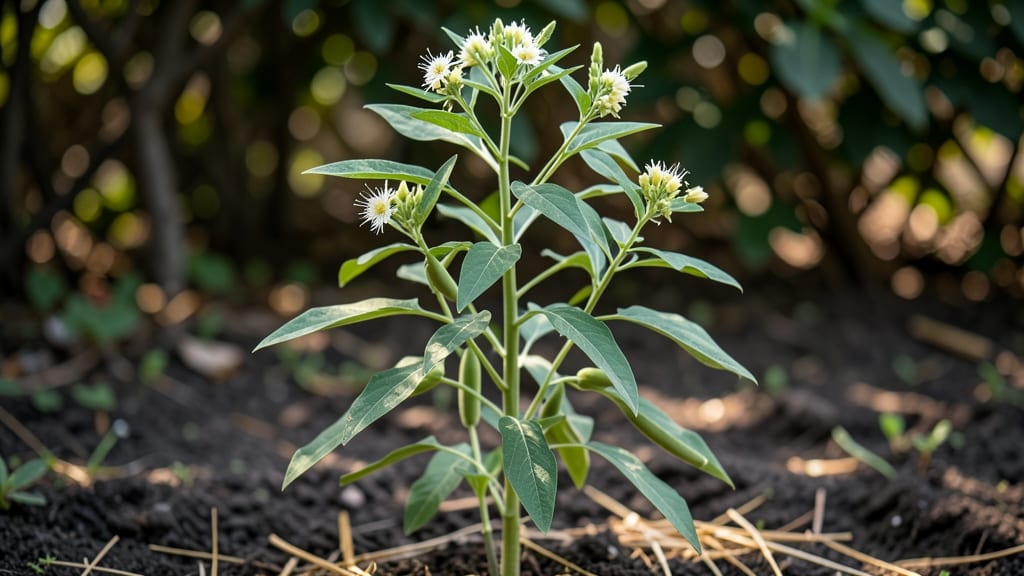
Growing sesame plants from seed opens doors to homegrown nutty flavor and unexpected cold-hardiness. 🌱 I’ve grown sesame in short-season zones where most gardeners give up—starting with the right variety makes all the difference. These plants aren’t just for warm climates anymore.
The secret lies in soil prep and timing: loose, well-draining soil with compost mixed in, and planting after the last frost when soil reaches 60°F. Sesame thrives in full sun (6+ hours daily) and surprisingly tolerates light frosts if seedlings are established.
Water consistently but avoid soggy roots—they’re drought-tolerant once mature. By midsummer, you’ll see those signature white flowers followed by seed pods. Harvest when pods turn yellow-brown and dry on the plant, then thresh seeds for snacks, baking, or oil.
The flavor rivals store-bought, but with zero preservatives. Perfect for gardeners in USDA zones 4-9 who want to experiment beyond standard crops. Here’s how to get started without the usual growing pains.
📚 In This Guide
- What you need
- Instructions
- Tips and common mistakes
- Wrapping up and next steps
What you need
- ● Sesame seeds (cold-hardy variety): 1–2 packets (50–100 seeds) of Sesamum indicum or a cold-tolerant hybrid (e.g., 'Black Sesame' or 'White Sesame').
- ● Growing containers or garden bed: For containers: 5–6 inch deep pots (1–2 per seedling).
- ● For in-ground planting: Well-draining soil in a sunny spot (6+ hours of sunlight daily).
- ● Potting mix: 1 bag (1–2 cubic feet) of seed-starting mix or a blend of 60% peat moss, 30% perlite, and 10% compost.
- ● Tools: Small hand trowel or transplanting spade.
- ● Spray bottle (for watering seedlings).
- ○ Garden gloves (optional but recommended).
- ● Grow lights: LED clip lights for seedlings if natural light is limited.
- ● Row covers: Lightweight fabric to protect young plants from late frosts.
- ● Fertilizer: Balanced liquid fertilizer (e.g., 10-10-10) for transplanting.
- ● Soil thermometer: To monitor ground temperature (ideal: 60–70°F for germination).
Step-by-Step guide to growing cold-hardy sesame plants in short seasons
These hardy sesame varieties can handle cooler climates—here's how to grow them successfully.
☀️ Step 1: Select the Right Variety and Planting Window
Cold-hardy sesame varieties like 'Black Sesame' or 'White Sesame' thrive in short seasons when planted at the correct time. Aim to sow seeds 4-6 weeks before your last frost date—this gives plants enough time to mature before cooler temperatures set in. I always check my local frost chart to avoid planting too early, which can lead to bolting or poor seed development.
Sesame plants prefer full sun (6-8 hours daily) and well-draining soil with a pH between 6.0 and 7.0. If your soil is heavy clay, mix in 1-2 inches of compost to improve drainage. The key here is warmth—sesame seeds germinate best in soil temperatures above 70°F, so consider using a seedling heat mat if your spring soil runs cooler.
🌱 Step 2: Prepare the Soil and Sow Seeds Correctly
Loosen the soil to a depth of 6 inches with a garden fork or tiller, breaking up any compacted layers. Sesame roots need room to spread, so avoid overworking the soil—just enough to create a loose, crumbly texture. If your soil is sandy, add a thin layer of organic mulch to retain moisture without smothering the seeds.
Sow seeds ½ inch deep, spacing them 12 inches apart in rows 18 inches apart. I like to plant in small clusters of 3-4 seeds every 6 inches—this makes thinning easier later. Water gently after planting, keeping the soil consistently moist but not soggy until germination. Sesame seeds can take 7-14 days to sprout, depending on soil warmth.
💧 Step 3: Maintain Consistent Moisture and Fertility
Sesame plants are drought-tolerant once established, but young seedlings need even moisture to prevent stress. Water 1 inch per week, aiming for the soil rather than the leaves to avoid fungal diseases. I use a soaker hose to deliver water slowly at the base—this keeps the foliage dry while ensuring roots get hydration.
Fertilize lightly with a balanced 10-10-10 fertilizer at planting, then again when plants reach 6 inches tall. Avoid high-nitrogen fertilizers, which encourage leafy growth at the expense of seed production. Instead, focus on phosphorus and potassium to support flowering and pod development. Watch for yellowing leaves—this often signals overwatering or nutrient imbalance.
✂️ Step 4: Prune and Support for Maximum Yield
As sesame plants grow, they may develop weak stems that lean or flop. Stake tall varieties with bamboo stakes or use cage supports to keep plants upright. I also remove any suckers or excessive side shoots to direct energy toward seed production. Prune in the morning when stems are firm—this gives plants time to recover before evening.
The real magic happens when flowers appear. Sesame plants are self-pollinating, but a gentle shake of the stems on dry mornings can boost pollination. Harvest begins when pods turn brown and dry—this usually takes 90-120 days from sowing. Cut stems with clean shears and hang them in a dry, well-ventilated area to finish drying. Ripe seeds will rattle inside the pods when shaken.
⏰ Step 5: Harvest and Store for Future Use
Once pods are fully dry, rub them between your hands to release the seeds. I spread them on a clean towel to remove any debris before storing. Sesame seeds keep well in an airtight container in a cool, dark place for up to 6 months. For longer storage, freeze seeds in small batches to preserve freshness.
Don’t toss the stems—compost them for next year’s garden. Sesame plants are nitrogen-fixers, meaning they enrich the soil as they decompose. This makes them a great addition to any rotation plan. If you’re growing multiple varieties, label your seeds clearly—black and white sesame look similar but have different uses and flavors.
Tips & tricks for growing cold-hardy sesame plants
Here's what nobody tells you about maximizing your sesame harvest in short seasons.
Timing is Everything: The 4-6 week window before your last frost is non-negotiable for cold-hardy sesame varieties. I've learned this the hard way—planting too early leads to bolting while waiting too long means immature plants when temperatures drop. Check your local frost dates and mark your calendar. For extra insurance, consider using a seedling heat mat if your spring soil stays below 70°F for too long. This small investment can mean the difference between a thriving crop and a failed attempt.
Soil Preparation Secret: The key to sesame success lies in that 6-inch soil depth we loosen in Step 2. I've found that adding a thin layer of organic mulch (about ½ inch) after planting helps retain moisture without smothering seeds—especially crucial during the 7-14 day germination period. For clay-heavy soils, mix in 1-2 inches of compost before planting to create that perfect loose, crumbly texture sesame roots crave. This preparation prevents waterlogging while ensuring proper drainage.
Fertilizer Strategy: When it comes to that 10-10-10 fertilizer application in Step 3, timing matters as much as the product. I've discovered that applying it when plants reach 6 inches tall (not at planting) prevents over-fertilization that can lead to excessive leafy growth. Focus on phosphorus and potassium—these support flowering and pod development, which is where we want our sesame plants to direct their energy. Watch for yellowing leaves as your early warning system for overwatering or nutrient imbalance.
Harvesting Cues: The 90-120 day window for harvest is actually a range for good reason—pods won't all ripen simultaneously. I've developed a simple test: gently shake the stem. If you hear seeds rattling inside the pods, they're ready. For late-ripening pods, I cut the entire stem and hang it upside down in a dry, well-ventilated area. This allows all pods to finish drying uniformly, maximizing your yield.
Pro Tips for Seseme Seed Plant
- Here's what nobody tells you about maximizing your sesame harvest in short seasons.
- Timing is Everything: The 4-6 week window before your last frost is non-negotiable for cold-hardy sesame varieties.
- Soil Preparation Secret: The key to sesame success lies in that 6-inch soil depth we loosen in Step 2.
Frequently asked questions
Got questions about growing cold-hardy sesame seed plants in short seasons?
Here are answers to the most common ones—so you can plant with confidence!
Can sesame seeds survive light frosts?
Most cold-hardy sesame varieties tolerate brief light frosts (down to 28°F/-2°C) but prefer warmer soil. For extra protection, plant after the last frost date or use row covers. Young seedlings are more vulnerable—so start seeds indoors if your season is short!
How long does it take for sesame plants to mature?
Cold-hardy sesame varieties typically mature in 80–100 days, but shorter-season types (like ‘Black Sesame’) can finish in as few as 65 days. Check the seed packet for your variety’s exact days-to-harvest—plant early to maximize yield before cooler weather arrives.
What’s the best soil mix for sesame seeds?
Sesame thrives in well-draining, slightly acidic soil (pH 6.0–7.0). Mix in compost or aged manure for nutrients, and avoid heavy clay. If your soil is poor, grow in containers with a 50/50 blend of potting mix and perlite for optimal results.
Can I replant sesame seeds if they don’t germinate?
Yes! Sesame seeds stay viable for 2–3 years if stored properly (cool, dry, dark). If germination fails, test a few seeds in warm water—if they sink, they’re likely still good. For faster sprouting, soak seeds overnight before planting in 70°F+ soil.
Are cold-hardy sesame seeds as nutritious as tropical varieties?
Cold-hardy sesame retains all its nutritional power—high in calcium, magnesium, and healthy fats. The flavor may be slightly milder, but it’s perfect for baking, tahini, or roasting. Just ensure full sun (6+ hours/day) to boost oil content!
| Quick Troubleshooting | Solution |
|---|---|
| Slow germination | Warm soil (75°F+) + pre-soaking seeds |
| Leggy seedlings | Thin plants to 12 inches apart and add sunlight |
| Pests (aphids, spider mites) | Spray with neem oil or introduce ladybugs |
Wrapping up and next steps
Growing sesame seed plants in cooler climates or short seasons is absolutely doable—you just need the right variety and a little patience! 🌱 From the cold-hardy Sesamum indicum to creative indoor or greenhouse solutions, these tips empower you to harvest flavorful seeds without long waits.
Whether you’re a seasoned gardener or a curious beginner, start small, experiment with timing, and watch your hard work pay off with a bountiful crop.
Ready to take the next step? Pick your favorite variety, gather your supplies, and plant with confidence—your taste buds (and dinner table) will thank you! 🌟