
Lawn
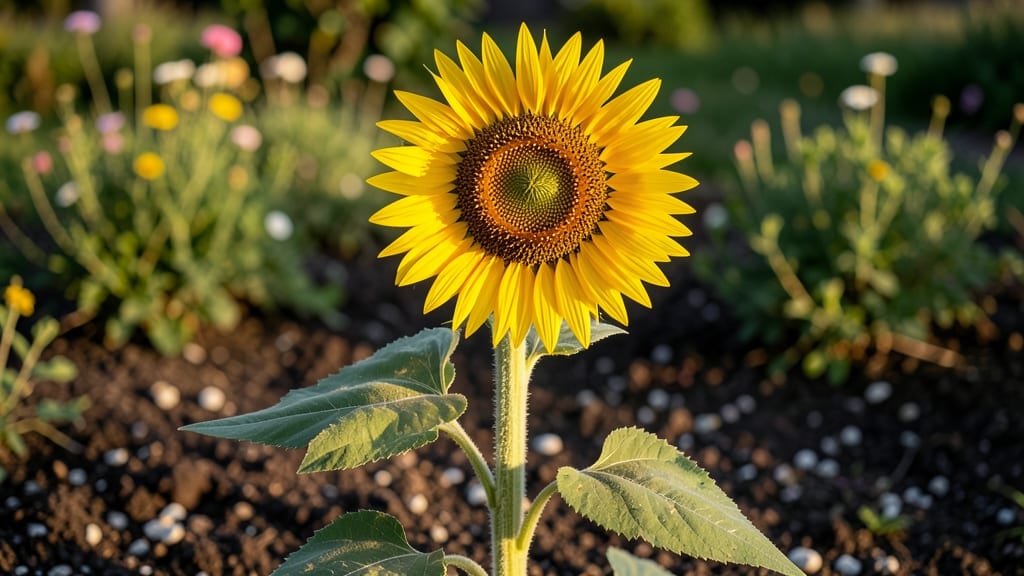
A sunflower seed identification chart makes spotting the right variety at the store or in catalogs feel like solving a puzzle—until you know the key differences. 🌻 Black Oil sunflowers pack the most seeds per head, while Mammoth varieties grow taller but yield fewer seeds for bird feeders.
Striped sunflowers add striking color to bouquets, and Russian types stay compact for small gardens. The chart breaks down each type by height, seed head size, and best use—whether it's for cooking, bird feed, or cutting flowers.
No confusing botanical terms, just clear comparisons so you can pick the perfect variety for your space and goals. Once you recognize the traits, you'll spot the best options instantly.
A sunflower's leaf shape, stem thickness, and even the way the seeds cluster give away its type before you even look at the packet. This visual guide makes seed shopping effortless. Grab a pencil and compare notes next time you browse seed racks—you'll never second-guess a purchase again.
The right variety transforms your garden from good to showstopping.
📚 In This Guide
- What you need
- Instructions
- Tips and common mistakes
- Wrapping up and next steps
What you need
- ● Sunflower seed samples: At least 5–10 different varieties (e.g., Helianthus annuus, Helianthus debilis, or wild sunflower seeds from local sources). Include both mature and immature seed heads if possible.
- ● Magnifying glass (10x–20x): One handheld magnifier for inspecting fine details like seed texture, color, and striations.
- ● Measuring tape or ruler: A flexible 12-inch ruler to measure seed head diameters and stem lengths.
- ● Notebook or digital device: For recording observations (e.g., seed head shape, leaf arrangement, or seed color). A smartphone with a note-taking app works great!
- ● Permanent markers (black and colored): For labeling samples or sketching key features.
- ● Small containers or ziplock bags: 3–5 bags to store seeds temporarily (label each with the variety name).
- ○ Digital caliper (optional but helpful): For precise measurements of seed size (0.01mm accuracy).
- ● Camera with macro mode: A smartphone with a 20MP+ camera or a dedicated macro lens for high-resolution photos.
- ● Field guide or sunflower seed database: A printed guide (like Sunflowers of the World) or a digital resource (e.g., USDA Plant Database) for cross-referencing.
- ● Herbarium sheets or pressed leaves for long-term reference.
- ● UV flashlight to check for fluorescence in seed patterns (some varieties glow under UV!).
- ● Seed dissection tools (e.g., tweezers or a scalpel) for examining internal structures.
- ● Portable UV light box for comparing seed head colors under different lighting.
How to identify sunflower seed heads by visual characteristics
Mastering sunflower seed head identification unlocks the secret to selecting the perfect variety for your garden—whether you want towering giants, compact pollinator magnets, or edible snack producers.
🌻 Step 1: Examine Seed Head Shape and Size
Sunflower seed heads vary dramatically in shape, and this is your first clue. Single-row varieties like 'Russian Giant' produce elongated, cylindrical heads that resemble a long sausage. These mature into 12-18 inch seed heads with tightly packed seeds along a single central disk. In contrast, multi-row varieties like 'Autumn Beauty' display broad, rounded heads with concentric rings of seeds radiating outward.
Measure the diameter at maturity—single-stem types like 'Mammoth' reach 10-14 inches wide, while compact varieties like 'Teddy Bear' max out at 4-6 inches. Here's the thing: the head width correlates directly with seed yield. Wider heads produce more seeds, but taller varieties often have longer growing seasons.
🌿 Step 2: Analyze Disk Color and Pattern
The disk florets (the brown center) reveal the sunflower's genetic lineage. Single-row types typically show a uniform dark brown disk with no distinct patterns. Multi-row varieties often display concentric rings—look for light brown outer rings transitioning to dark brown centers in varieties like 'ProCut'.
Some ornamental types, like 'Italian White', feature creamy white or pale yellow disks that contrast sharply with their deep red petals. This is where identification gets fun: the disk color often correlates with seed color. Dark disks usually produce striped seeds, while lighter disks yield solid-colored kernels.
☀️ Step 3: Observe Petal Structure and Count
Petal arrangement is your third key identifier. Single-row sunflowers like 'Russian Mammoth' develop 8-12 prominent ray florets (the "petals") that droop noticeably as they mature. In contrast, multi-row types like 'Sunspot' produce 15-20 ray florets that remain upright longer.
Count the petals if possible—this is especially useful for distinguishing between giant varieties (fewer, larger petals) and dwarf types (more, smaller petals). Here's what I do: hold the seed head at arm's length and compare the petal spread to a 6-inch ruler. Giant varieties will exceed that measurement by 2-4 inches, while compact types stay well within it.
🌱 Step 4: Check Stem Characteristics and Growth Habit
Stem thickness and branching pattern complete the identification puzzle. Single-stem varieties like 'Autumn Beauty' grow thick, woody stems that can reach 10-12 feet tall but produce only one seed head. These are ideal for cut flowers but yield fewer seeds per plant.
Look for branching types like 'Teddy Bear' that produce multiple heads per stem—these stay 3-5 feet tall and are perfect for small gardens. The branching habit often correlates with seed production: multi-headed varieties may produce 20-30% more seeds than single-stem types of similar height.
⏰ Step 5: Time Maturity and Seed Color
Maturity timing varies by variety, and this affects seed identification. Early varieties like 'ProCut' mature in 80-90 days and produce black-and-white striped seeds. Late varieties like 'Russian Giant' take 120-140 days but yield solid black or dark gray seeds.
Here's where it gets practical: harvest seeds when the back of the head turns yellow-brown and the petals drop completely. Press a seed between your fingers—if it crushes easily, it's not fully mature. Mature seeds should feel firm and papery. The seed color often matches the disk color: dark disks produce dark seeds, light disks yield lighter seeds.
Tips & tricks for mastering sunflower seed head identification
These game-changing insights will turn your sunflower identification from casual observation to expert-level precision—perfect for gardeners and seed enthusiasts alike!
Shape and Size Shortcuts: For quick identification in Step 1, remember this rule: single-row varieties like 'Russian Giant' have elongated heads (12-18 inches) that resemble a sausage, while multi-row types like 'Autumn Beauty' are broad and rounded. Pro tip: hold the seed head against a 12-inch ruler—if it exceeds that length, it's likely a single-row giant. The width-to-length ratio is your secret weapon for instant variety guesses!
Disk Pattern Decoding: In Step 2, focus on the disk's concentric rings—they're like sunflower fingerprints. Dark brown disks with no patterns indicate single-row types, while multi-row varieties show light brown outer rings transitioning to dark centers. Here's what I do: shine a flashlight at an angle to highlight these patterns—they become dramatically more visible under focused light.
Petal Counting Hack: Step 3's petal counting gets easier with this trick: group the ray florets into sets of 5. Single-row types will typically show 2-3 groups (8-12 total), while multi-row varieties will have 3-4 groups (15-20 total). For giant varieties, their larger petals will appear more spaced out when held at arm's length—this visual cue helps distinguish them from compact types without measuring.
Maturity Test Revealed: When checking maturity in Step 5, the firmness test is crucial—but here's the pro move: press the seed between your thumbnail and index finger with moderate pressure. If it gives slightly but holds its shape, it's perfect. For seed color correlation, remember this: darker disks almost always produce striped seeds, while lighter disks yield solid-colored kernels. This color matching is your final verification step!
Pro Tips for Sunflower Seed Identification Chart
- These game-changing insights will turn your sunflower identification from casual observation to expert-level precision—perfect for gardeners and seed enthusiasts alike!
- Pro tip: hold the seed head against a 12-inch ruler—if it exceeds that length, it's likely a single-row giant.
- Disk Pattern Decoding: In Step 2, focus on the disk's concentric rings—they're like sunflower fingerprints.
Frequently asked questions
Got questions about identifying sunflower seeds? You’re not alone! Here are some of the most common queries—plus clear, actionable answers to help you navigate your sunflower seed journey with confidence.
How do I tell the difference between edible and bird sunflower seeds?
Edible sunflower seeds (like Helianthus annuus) are typically larger, striped, and have a smooth, black-and-white shell. Bird seeds (e.g., Nigella sativa or Nyjer) are much smaller, often black or gray, and lack the classic striped pattern. Always check a sunflower seed identification chart if unsure!
When is the best time to harvest sunflower seeds for planting?
Harvest seeds when the back of the seed head turns yellow and the petals droop. Wait until the heads are fully dry (usually 2–4 weeks after flowering) before collecting. If seeds sprout in the head, they’re past their prime. Store them in a cool, dry place for future planting!
Can I plant sunflower seeds from store-bought sunflower seed packs?
Yes! Many store-bought sunflower seeds (like those in shells) are hybrid varieties and will grow—just check the packaging for "non-GMO" or "heirloom" labels if you want open-pollinated seeds. For best results, use seeds from a trusted supplier or save seeds from mature, healthy plants.
Why are birds eating all my sunflower seeds before I can harvest them?
Birds love sunflower seeds, especially black oil varieties. To protect your crop, cover seed heads with mesh netting or harvest early in the morning when birds are less active. If you’re growing for birds, opt for Helianthus debilis (beach sunflowers), which birds prefer but are less appealing to humans.
What should I do if my sunflower seeds sprout in the head instead of on the ground?
This usually means the seeds were harvested too late. For next time, pick heads when they’re dry but still intact. If you’re growing for seeds, deadhead (remove) spent blooms early to redirect energy to seed production. Overripe heads may also attract pests—check for signs of damage!
Wrapping up and next steps
Mastering sunflower seed identification opens up a world of gardening possibilities—whether you're admiring their beauty or harvesting their bounty! 🌻 With this visual guide, you’ve learned to distinguish between varieties like Helianthus annuus and Helianthus debilis, spot key differences in seed heads, and even troubleshoot common mix-ups.
Now that you’re equipped with the knowledge, why not put it to use?
Your next step? Plant a few varieties in your garden or experiment with seed-saving techniques. Share your discoveries with fellow gardeners or even create your own identification chart for local species. Happy exploring—and may your sunflowers shine brighter than ever! ✨