
Lawn
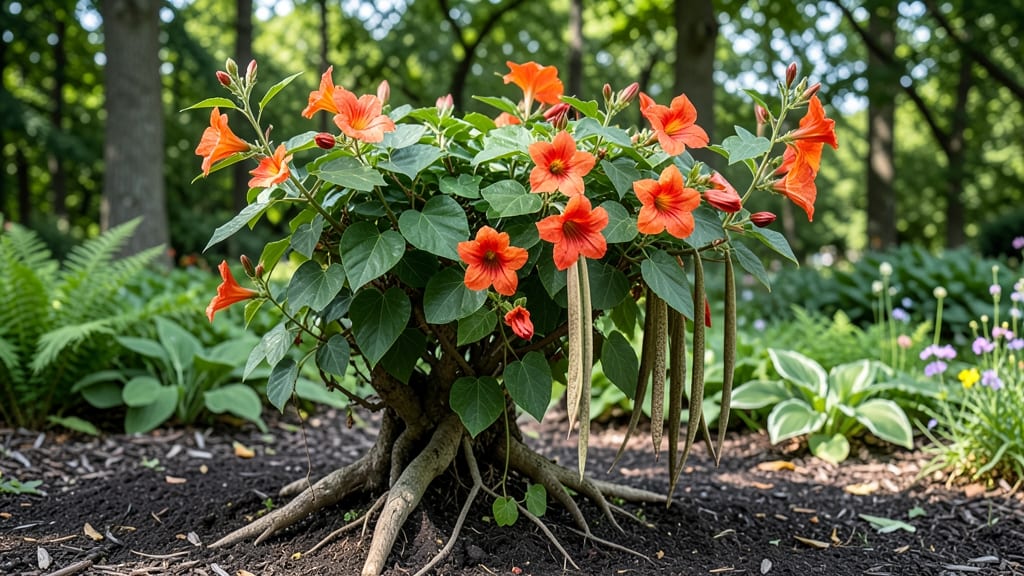
Trumpet vine seed pods burst open with a satisfying pop—no twisting required. 🌿 I’ve spent years watching these dramatic seed releases, and I’ll show you exactly how to collect them before they scatter, plus the best way to grow healthy trumpet vines from those seeds.
The key is timing: wait until the pods turn brown and papery, then harvest them before they explode all over your garden. You’ll need basic supplies: a bucket, paper bags, and a sunny spot for germination.
The tricky part is keeping those tiny seeds moist but not soggy—they need consistent humidity to sprout.
I’ve found that planting them in small pots with a mix of sand and compost gives them the best start, and they’ll send up bright green shoots within 2-3 weeks if conditions are right. Once they germinate, trumpet vines grow fast—expect vines to climb and spread aggressively.
The first year is all about establishing roots, so keep them well-watered but avoid overcrowding. By next season, you’ll have a lush, flowering vine that attracts hummingbirds and adds vibrant color to any fence or trellis.
This method works for gardeners in zones 5-10, though colder climates may need to start seeds indoors. The payoff? A vine that thrives with minimal care and spreads effortlessly once established. Let’s get those seeds growing!
📚 In This Guide
- What you need
- Instructions
- Tips and common mistakes
- Wrapping up and next steps
What you need
- ● Mature trumpet vine seed pods – Harvest 5–10 fully ripened (brown/dry) pods from healthy vines.
- ● Pruning shears or sharp scissors – For cleanly snipping pods from the vine.
- ● Paper towels or newspaper – To line a tray and absorb moisture.
- ● Small containers or seed-starting trays – 2–3 shallow trays (4–6" deep) with drainage holes.
- ● Well-draining potting mix – 2–3 cubic feet of seed-starting mix (sterilized, peat-based preferred).
- ● Spray bottle with water – For gentle hydration (avoid soaking!).
- ● Plastic wrap or humidity dome – To maintain moisture during germination.
- ○ Gloves (optional but recommended) – Trumpet vine sap can stain skin!
- ● Labeling tags & marker – Track planting dates and varieties.
- ○ Heat mat (optional) – Speeds germination (70–75°F ideal).
- ● Grow lights – If starting indoors with limited sunlight.
- ● Compost or worm castings – Boost soil fertility for transplants.
- ● Twine or plant ties – For supporting young vines later.
How to harvest trumpet vine seed pods without the twist
Skip the struggle and collect trumpet vine seeds cleanly—here's my foolproof method.
🌿 Step 1: Identify and Select Ripe Seed Pods
Look for pods that have turned a deep brown color and feel slightly papery when touched. These are ready for harvesting, while green pods are still developing. I like to pick them in the morning when the pods are firm and less likely to split open unexpectedly.
Gently twist the pod to test its readiness—if it releases seeds easily, it's perfect. Avoid pods with visible cracks or holes, as those seeds may have already scattered or been eaten by wildlife. Collect only the mature pods to ensure you're working with viable seeds.
🪴 Step 2: Prepare Your Harvesting Tools and Container
Grab a small bowl or paper bag to hold the pods—something lightweight so you don't damage them. I use a soft cloth or my hands to handle the pods, as metal tools can dent or crush them. If you're working with many pods, a pair of clean gardening gloves will keep your hands protected from any potential irritation.
Find a flat, stable surface nearby to lay out the pods. This will make the next steps much easier. Avoid working on grass or uneven ground, as seeds could get lost or contaminated with dirt and debris.
💧 Step 3: Release the Seeds Gently
Place one pod at a time on the flat surface and hold it firmly but gently between your thumb and forefinger. Twist the pod slowly in a counterclockwise direction—this is the natural way the vine releases seeds. You'll feel a slight give as the pod opens, and seeds will begin to spill out.
Don't force it if the pod resists. If it feels too tight, let it sit in a warm, dry place for another day or two to soften. Once the seeds start flowing freely, transfer them to your container. I like to spread them out on a paper towel to dry completely before storing.
⏰ Step 4: Dry and Store the Seeds Properly
Spread the seeds out in a single layer on a paper towel or clean cloth. Place them in a warm, dry spot away from direct sunlight for 3-5 days. This ensures they're completely dry and ready for long-term storage. You'll know they're dry when they feel light and brittle to the touch.
Store the dried seeds in an airtight container, such as a small glass jar or resealable plastic bag. Label the container with the date and variety if you're saving seeds from multiple trumpet vine plants. Keep the container in a cool, dark place—like a pantry or seed drawer—to maintain seed viability for up to 2 years.
☀️ Step 5: Plant the Seeds at the Right Time
Trumpet vine seeds need warmth to germinate, so wait until after the last frost date in your area and the soil has warmed to at least 65°F. Plant the seeds ½ inch deep in well-draining soil, spacing them 6 inches apart if you're planting directly in the ground.
Keep the soil consistently moist but not soggy until germination, which can take 2-4 weeks. Once seedlings emerge, thin them to the strongest 4 plants per section, as trumpet vines grow vigorously and need space to climb. Be patient—they'll reward you with stunning blooms in just a season!
Tips & tricks for perfect trumpet vine seed harvesting
These simple tricks will help you collect trumpet vine seeds without the frustration—no more struggling with stubborn pods or losing seeds to the wind.
Timing is Everything: Harvesting in the morning gives you the best results because the pods are firmest then. The cool night temperatures help them hold their shape better, making them easier to handle. I've found that pods harvested after a light dew often release seeds more smoothly too—nature's little bonus!
The Right Surface Matters: Use a smooth, flat surface like a cutting board or clean countertop for Step 3. Uneven surfaces can cause seeds to scatter, and rough textures might damage the delicate pods. I keep a small tray lined with parchment paper nearby to catch any stray seeds that might escape during the twisting process.
Drying Done Right: For Step 4, spread your seeds on a paper towel in a single layer—they need good air circulation to dry properly. I place mine on a wire cooling rack over a baking sheet to prevent moisture buildup underneath. This method ensures they dry completely in the full 3-5 days, which is crucial for long-term storage and viability.
Storage Wisdom: When storing your dried seeds, add a small packet of silica gel or a slice of bread to your container. The bread helps absorb any remaining moisture, while the silica gel keeps humidity at bay. I've found this extra step extends seed viability beyond the standard 2 years—some of my stored seeds have germinated beautifully after 3 years!
Pro Tips for Trumpet Vine Seed Pods
- These simple tricks will help you collect trumpet vine seeds without the frustration—no more struggling with stubborn pods or losing seeds to the wind.
- Timing is Everything: Harvesting in the morning gives you the best results because the pods are firmest then.
- The Right Surface Matters: Use a smooth, flat surface like a cutting board or clean countertop for Step 3.
Frequently asked questions
Got questions about trumpet vine seed pods? You’re not alone! Here are some of the most common queries—and their answers—to help you navigate these fascinating (and sometimes tricky) garden helpers.
Why do trumpet vine seed pods twist and crack open?
Trumpet vine seed pods twist and crack open due to a natural mechanism called dehiscence. As the pods dry out, the outer layer contracts, creating tension that forces them to spiral open. This releases seeds with enough force to scatter them for new growth—no human intervention needed!
When is the best time to collect trumpet vine seed pods?
Collect seed pods when they’re dry and brown but haven’t yet split open—usually late summer to early fall. If you wait too long, the pods may release seeds on their own, reducing your yield. Harvest them on a dry day to prevent mold or premature cracking.
Can I save trumpet vine seeds from store-bought flowers?
Unfortunately, no! Store-bought trumpet vine flowers are often hybrids or treated to prevent seed production. For viable seeds, you’ll need to grow the vine from scratch or source seeds from a reputable nursery. Check for healthy, plump pods on mature plants for the best results.
What do I do if my trumpet vine seed pods won’t open?
If pods stay closed, they may need a little help. Try placing them in a paper bag and storing them in a warm, dry spot for a few weeks. The gentle movement and humidity changes often trigger natural cracking. Avoid forcing them open—patience is key!
Are trumpet vine seed pods invasive in my garden?
Trumpet vine itself can be aggressive, but its seed pods aren’t inherently invasive. The real concern is the vine’s rapid growth. If you’re worried, collect seeds promptly and plant them in contained areas or use barriers to limit spread. Always research local regulations before introducing new plants!
Wrapping up and next steps
Growing trumpet vine seed pods can be a rewarding experience—once you know the tricks to avoid the twist! 🌱 From selecting the right pods to mastering drying and storage techniques, you’re now equipped to harvest, prepare, and plant with confidence.
Whether you’re reviving an old vine or starting fresh, your garden will thank you for the natural, hassle-free approach.
Ready to put your new skills to work? Grab those seed pods, follow the steps, and watch your trumpet vine thrive—without the struggle! 🌿 Start planting today!