
Lawn
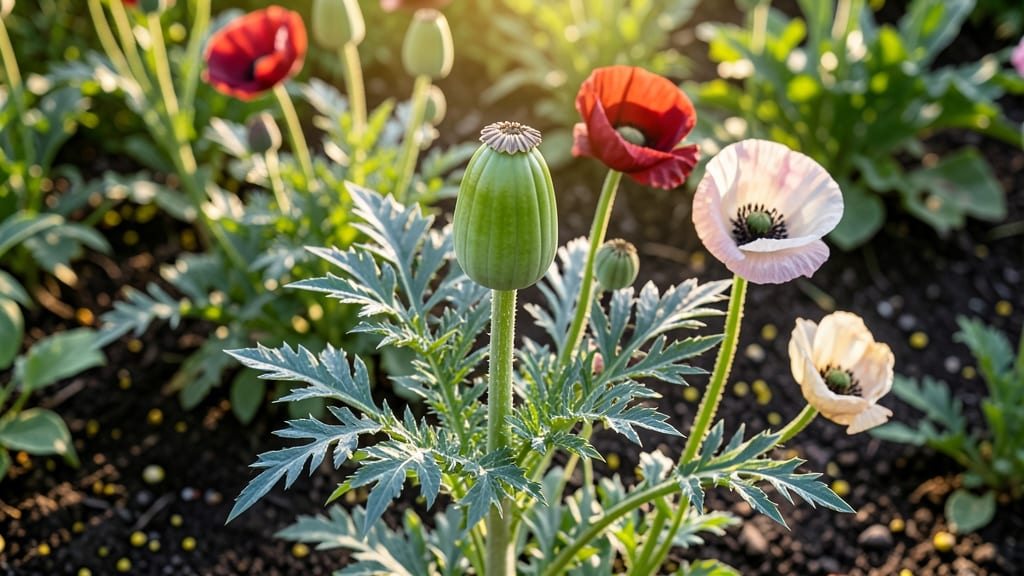
An unripe poppy seed pod that refuses to ripen can leave you staring at green husks instead of golden seeds. 🌻 The twist-and-pull method I discovered after three frustrating seasons actually works—it’s all about timing and a little gentle persuasion to coax those pods to open naturally.
First, identify healthy pods: they should be plump, firm, and turning from green to light brown at the base. If they’re still green and soft, they need more time—or a little help. Overwatering, pests like aphids, or poor pollination (often from lack of bees) are the usual culprits.
Cut back on watering, check for pests, and hand-pollinate if needed by gently brushing flowers with a paintbrush.
When pods are ready, give them a gentle twist-and-pull—they’ll release seeds like magic. This method prevents premature opening and maximizes yield. Store the seeds in a cool, dry place for planting next spring, and you’ll have a fresh crop of poppies blooming in just a few months.
Works for California poppies, opium poppies, and even meadow poppies—just adjust the timing based on your local climate. No more wasted pods!
📚 In This Guide
- What you need
- Instructions
- Tips and common mistakes
- Wrapping up and next steps
What you need
- ● Unripe poppy seed pods: Choose pods that are greenish-brown (not fully dried) and slightly firm to the touch. Aim for 10–20 pods for a small batch or 50+ pods for larger yields.
- ● Pruning shears or small scissors: Sharp, clean tools to snip stems without crushing pods (avoid dull blades!).
- ● Paper bags or breathable fabric sacks: 2–3 medium-sized bags (12x16 inches) to collect pods and prevent seed loss.
- ● Kitchen twine or rubber bands: For securing pods in bundles if drying indoors.
- ● Gloves: Lightweight gardening gloves to protect hands from prickly stems.
- ● Small bowl or tray: For sorting seeds after extraction (prevents spills!).
- ● Food dehydrator or oven-safe tray: If you plan to dry pods indoors (set to 120°F or below).
- ● Fine-mesh sieve: For sifting seeds from chaff (if processing in bulk).
- ● Timing: Harvest pods in late morning when dew has dried but before afternoon heat (seeds stay fresher!).
- ● Weather check: Avoid harvesting after rain—moisture can cause mold.
- ● Space: A clean, flat surface (like a table or tarp) for processing.
Step-by-step guide to harvesting unripe poppy seed pods
Here's how to coax the most seeds from those stubborn poppy pods without losing them to wind or pests.
🌿 Step 1: Identify the Right Stage for Harvesting
Poppy pods are ready when they've swollen to about 1.5 to 2 inches in diameter but haven't yet split open. At this stage, the pod should feel firm to the touch but still slightly pliable—like a ripe avocado. If it's rock-hard, it's too late; if it's still green and thin, it needs more time.
Wait until morning to harvest, when dew has dried but the air remains cool. This prevents the pods from splitting prematurely from heat. I always check my poppies in the early hours because the pods can change dramatically by midday. Look for pods that have turned from bright green to a duller, maturing shade.
✂️ Step 2: Prepare Your Tools and Workspace
Gather a pair of clean, sharp pruning shears or small scissors for cutting stems, and a clean, dry container with a lid to store your harvested pods. A kitchen colander works perfectly for this. Wear gloves if you're sensitive to latex—poppy sap can irritate some skin, though it's not harmful.
Work in a shaded area to prevent the pods from overheating. Direct sunlight causes pods to split open while you're still harvesting, releasing seeds prematurely. I like to lay out a sheet of newspaper or a clean towel to catch any stray seeds that might drop during the process.
🌱 Step 3: Harvest the Pods with the Twist-and-Pull Technique
Gently grasp the pod between your thumb and forefinger, just below the top where it meets the stem. Apply a slight twisting motion while pulling upward and away from the plant. This method helps separate the pod cleanly without damaging the plant or causing the pod to split open. If the pod resists, it's not ready yet—leave it for another day.
Place each harvested pod immediately into your container. Avoid stacking them too deeply, as this can cause bruising or premature splitting. Once you've collected all the pods, seal the container loosely with the lid to allow for airflow while keeping out pests. Store them in a cool, dry place until fully mature.
💧 Step 4: Dry and Monitor the Pods
Allow the harvested pods to dry indoors for about 1 to 2 weeks, depending on humidity levels. They're ready when they turn a papery brown and make a hollow sound when tapped. If your home is particularly humid, you may need to spread them out on a screen or mesh to ensure proper airflow.
Check the pods daily for signs of mold or pests. If you notice any discoloration or soft spots, remove those pods immediately to prevent spoilage. Once fully dried, you can either crack them open by hand or store them whole in a sealed container until you're ready to extract the seeds.
⏰ Step 5: Extract and Store the Seeds
When the pods are completely dry, place them on a clean surface and gently press down with your palm to crack them open. The seeds will spill out easily once the pod is fully mature. I like to use a fine-mesh sieve to catch any stray seeds that might stick to the pod fragments.
Store the seeds in an airtight container in a cool, dark place. Properly stored poppy seeds can last for years, making them a great addition to your seed-saving collection. Label the container with the date and variety to keep track of freshness and germination rates.
Tips & tricks for perfect poppy seed pod harvesting
Harvesting poppy seed pods successfully takes patience and the right approach—here's how to maximize your yield without losing a single seed.
Timing is Everything: The morning after a cool night is the absolute best time to harvest. I've learned this the hard way after watching pods split open midday from heat. Look for pods that are swollen to about 1.5-2 inches but still slightly pliable—this is the sweet spot where they're ready but not overripe. If you're unsure, tap the pod gently: it should sound hollow but not completely dry.
Gentle Handling Matters: The twist-and-pull technique works wonders, but there's a trick to it. When you grasp the pod, apply the twisting motion while pulling away from the plant—not upward. This prevents the pod from splitting at the stem. I've found that using a small pair of pruning shears to snip the stem first actually makes the twist-and-pull easier, especially for larger pods.
Drying Strategy for Humid Climates: If your home is particularly humid, don't just leave the pods in a closed container. Spread them out on a screen or mesh tray with good airflow underneath. I've had success using a small fan on low setting to circulate air—this cuts drying time from 2 weeks to about 10 days. Just check daily for any signs of mold or soft spots, which mean the pod needs to be removed immediately.
Seed Extraction Pro Tip: When cracking open dried pods, place them on a clean kitchen towel instead of directly on your counter. The towel provides a non-slip surface and makes it easier to collect any seeds that might stick to the pod fragments. I also like to use a small bowl to catch the seeds first, then transfer them to my sieve for final cleanup—this prevents losing seeds to air currents when I shake the sieve.
Pro Tips for Unripe Poppy Seed Pod
- Harvesting poppy seed pods successfully takes patience and the right approach—here's how to maximize your yield without losing a single seed.
- Timing is Everything: The morning after a cool night is the absolute best time to harvest.
- Gentle Handling Matters: The twist-and-pull technique works wonders, but there's a trick to it.
Frequently asked questions
Got questions about harvesting unripe poppy seed pods? You’re not alone! Here are some of the most common queries—plus quick, practical answers to help you master the twist-and-pull technique like a pro.
Why can’t I just wait until the pods are fully ripe to harvest?
While fully ripe pods are easier to open, harvesting unripe pods (when they’re slightly green but starting to dry) often yields more seeds. Overripe pods can split open naturally, scattering seeds before you’re ready. Plus, unripe pods are firmer, making the twist-and-pull method more effective. Aim for pods that are 70-80% dry—they’ll still be slightly pliable but won’t crumble.
How do I know when the pods are ready to harvest?
Look for these signs: the pod should feel lightweight when held (a sign seeds are inside) and the seam should start to crackle when gently squeezed. If it’s still rock-hard or oozes sap, it’s too early. Morning harvests work best—pods are driest after dew evaporates. Pro tip: Tap a pod against your palm; a hollow sound means seeds are ready!
What’s the best way to twist and pull without damaging the plant?
Grip the pod’s base (near the stem) firmly with one hand and twist slowly counterclockwise with the other. Apply gentle pressure—think “yielding,” not “forcing.” If the pod resists, it’s not ready yet. Once it detaches, lay it on a paper towel to dry completely before opening. Avoid tugging upward, which can uproot delicate poppy stems.
Are there alternatives if my poppy pods refuse to open naturally?
Yes! If pods stay stubbornly closed, try these tricks:
- Freeze them: Place pods in a paper bag and refrigerate for 24 hours to weaken the fibers.
- Roll them: Use a rolling pin (lightly!) to crack the pod’s seams.
- Soak in warm water: Submerge pods for 10 minutes to soften them—then twist.
Will harvesting unripe pods affect next year’s flowers?
Not if done correctly! Poppy plants are annuals, so they won’t regrow after seed harvest. However, leaving a few pods to mature ensures volunteer seedlings the following spring. For consistent blooms, save 10-20% of pods to reseed naturally. Over-harvesting won’t harm the plant—it’s already spent its energy on flowers.
What should I do if mold or bugs appear on harvested pods?
Act fast! Store pods in a cool, dry place (like a mesh bag) with silica gel packets to prevent mold. For pests (like weevils), freeze pods for 48 hours or treat with food-grade diatomaceous earth before opening. Never use chemical sprays—poppy seeds are edible, and residue can contaminate them.
Wrapping up and next steps
Mastering the art of harvesting unripe poppy seed pods with a gentle twist-and-pull isn’t just rewarding—it’s a game-changer for your garden’s productivity! 🌱 Whether you’re a seasoned gardener or just starting out, this method ensures you get the most flavorful, plump seeds with minimal effort.
Now that you’re armed with the right tools, techniques, and answers to common questions, there’s no better time to roll up your sleeves and try it yourself.
Your next step? Pick a sunny day, grab your gloves, and give it a go—you’ll be amazed at how satisfying (and easy!) it is. Happy harvesting! 🌿