
Lawn
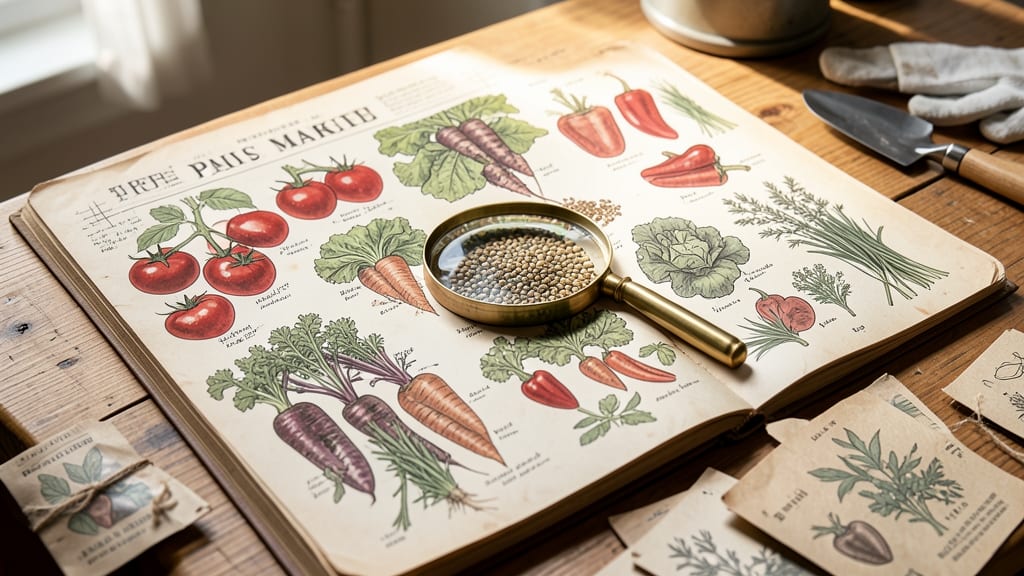
Choosing the right vegetable seed catalog can turn your garden from decent to downright productive. 🌱 I’ve ordered from dozens over the years, and the difference between a mediocre harvest and a pantry-full of tomatoes comes down to seed quality, variety selection, and the catalog’s expertise in your growing zone.
The best catalogs don’t just list seeds—they offer disease-resistant varieties, precise planting charts, and even organic options tailored to your climate. Some specialize in heirlooms, while others focus on hybrid vigor or cold-hardy crops.
I’ve narrowed down the top picks based on yield, customer reviews, and whether they include free seed guides or growing tips.
You’ll walk away knowing exactly which seeds to order for your space—whether that’s container-friendly cherry tomatoes, drought-tolerant peppers, or fast-maturing greens for small plots. The right catalog makes seed shopping feel like a strategic investment, not just a springtime ritual.
Pro tip: Scan catalogs in late winter for early-bird deals, and always check their germination rates—that’s the real test of quality. Here’s how to compare them like a pro.
📚 In This Guide
- What you need
- Instructions
- Tips and common mistakes
- Wrapping up and next steps
What you need
- ● Computer or tablet: For browsing and ordering seed catalogs (Wi-Fi or data connection recommended).
- ○ Printer (optional but handy): To print catalogs or seed lists for reference (inkjet or laser preferred).
- ● Notebook or planner: For tracking seed varieties, quantities, and planting schedules (1-2 per gardener).
- ● Highlighters or sticky notes: To mark favorite seeds or notes (assorted colors for organization).
- ● Measuring tape or ruler: For spacing and layout planning (10-20 ft range recommended).
- ○ Garden journal (optional but useful): To log notes on soil, weather, and harvests (lined or grid-style).
- ● Basic gardening knowledge: Familiarity with terms like "days to maturity," "hardiness zones," and soil types.
- ● Seed budget: Catalogs often list prices—plan for $50-$200+ depending on variety and quantity.
- ● Garden space assessment: Measure your plot (e.g., 10x20 ft) to match seed quantities.
- ● Local climate data: Check your USDA hardiness zone (e.g., Zone 5-9) for suitable seeds.
- ● Organic vs. conventional preference: Some catalogs specialize in heirloom, organic, or GMO-free seeds.
- ○ Seed-saving supplies (optional): Paper envelopes, silica gel packets, or a seed vault for storing extras.
How to select the best vegetable seed catalogs for your garden
Choosing the right seed catalogs sets the foundation for a thriving, high-yield harvest.
📚 Step 1: Identify Your Climate and Growing Zone
Start by determining your USDA Plant Hardiness Zone—this dictates which varieties will thrive in your region. Most reputable catalogs list recommended zones alongside each vegetable. For example, heat-loving tomatoes like 'Celebrity' (zone 3-10) perform poorly in cooler climates, while cold-hardy kales like 'Winterbor' (zone 2-9) struggle in southern summers.
I always cross-reference catalog recommendations with local extension service reports to confirm suitability. Look for catalogs that offer region-specific guides or zone filters—these save hours of research. If you're new to gardening, prioritize catalogs that include a zone map or interactive tool to narrow selections.
🌱 Step 2: Prioritize Catalogs with Proven High-Yield Varieties
Not all seed catalogs are equal—some specialize in heirloom varieties, while others focus on hybrid high-yield performers. For maximum productivity, seek catalogs that highlight disease-resistant hybrids or determinate varieties (like 'Roma' tomatoes), which produce fruit all at once rather than sprawling indeterminately.
I avoid catalogs that lack yield comparisons or customer reviews on germination rates. Look for terms like "proven performer" or "trial-winning" in descriptions. Catalogs like Johnny’s Selected Seeds or Baker Creek Heirloom Seeds provide detailed growing notes, including expected pounds per plant—critical for planning your harvest.
☀️ Step 3: Compare Catalog Features for Grower Convenience
Beyond seed selection, evaluate catalogs for ordering flexibility—some offer bulk discounts, while others provide free seed samples or seed-saving guides. I prioritize catalogs with digital tools, like planting calendars or mobile apps that sync with your zone and track germination dates.
Pay attention to shipping policies: catalogs that offer free shipping on orders over $50 or cool-pack shipping for heat-sensitive seeds (like lettuce) can save money and improve success rates. Also, check if they provide seed storage tips—properly dried and stored seeds last longer, reducing waste.
✂️ Step 4: Review Customer Feedback and Expert Endorsements
Before committing, scan third-party reviews (like those on Gardeners.com or Seed Savers Exchange forums) for red flags like slow shipping or poor germination rates. I always check if the catalog is endorsed by reputable gardening organizations, such as the National Gardening Association or Organic Seed Alliance—these affiliations signal trustworthiness.
Watch for common complaints about seed viability or mislabeled varieties. A catalog with a 30-day germination guarantee or seed replacement policy offers peace of mind. If a catalog lacks recent reviews, it may be new or unreliable—stick to established names like Burpee or Park Seed for consistency.
📝 Step 5: Organize Your Selections for Seasonal Planning
Once you’ve narrowed your choices, group seeds by planting season (cool-season vs. warm-season crops) and maturity dates. I use a spreadsheet to track which catalogs offer succession planting varieties (like 'Early Girl' tomatoes) versus long-season crops (like 'Brandywine' heirloom beans).
Note any specialty seeds you’ll need, like organic-certified or non-GMO options, and verify if the catalog provides certification details. Finally, calculate your total seed cost per square foot—this helps budget for future orders and ensures you’re not overspending on low-yield varieties.
Tips & tricks for maximizing your seed catalog selection
Finding the perfect seed catalog can transform your garden from good to exceptional—and these insider tips will help you make the most of your choices.
Zone-Specific Intelligence: Beyond just checking your USDA zone, dig deeper into microclimates within your area. A south-facing wall might create a zone 1-2 warmer than your official designation, allowing you to grow heat-loving varieties like 'Black Krim' tomatoes in cooler regions. I always check local weather patterns for the past 5 years to confirm whether a catalog's zone recommendations align with real-world growing conditions in my specific microclimate.
Yield Data Decoded: When catalogs list "pounds per plant" or "bushes per square foot," treat these as starting points rather than guarantees. I cross-reference with independent trials from organizations like the All-America Selections program to verify claims. For example, while a catalog might claim 20 pounds per tomato plant, real-world trials often show 12-15 pounds—adjust your planting plans accordingly.
Digital Tools That Save Time: Many premium catalogs now offer planting calculators that sync with your zone and local frost dates. I recommend using these tools to generate personalized planting schedules, which automatically account for succession planting needs. For instance, if you're growing 'Early Girl' tomatoes, the calculator will suggest planting every 2 weeks for continuous harvests—something I missed for years until I discovered these digital assistants.
Storage Secrets: Proper seed storage extends viability and saves money. I store seeds in airtight containers with silica gel packets in a cool, dark place (around 40-50°F). Most catalogs provide recommended storage conditions, but I've found that adding a small packet of moisture absorbers to seed packets prevents condensation buildup during seasonal temperature shifts—critical for maintaining germination rates over multiple years.
Pro Tips for Vegetable Seed Catalogs
- Finding the perfect seed catalog can transform your garden from good to exceptional—and these insider tips will help you make the most of your choices.
- Zone-Specific Intelligence: Beyond just checking your USDA zone, dig deeper into microclimates within your area.
- Yield Data Decoded: When catalogs list "pounds per plant" or "bushes per square foot," treat these as starting points rather than guarantees.
Frequently asked questions
Got questions about navigating vegetable seed catalogs like a pro? Here are answers to the most common ones to help you grow with confidence!
What’s the best time to order vegetable seeds?
Order seeds 6–8 weeks before your last frost date—this gives you time for starts indoors (if needed) and ensures healthy transplants. For warm-season crops like tomatoes or peppers, order 4–6 weeks before transplanting. Pro tip: Check your zone’s frost dates (USDA zone finder helps!) and catalogs’ estimated shipping times.
Can I save money by buying seeds in bulk?
Bulk seeds can save money, but only if you’ll use them all—many varieties have short shelf lives (1–2 years). For beginners, start with smaller packs to test what grows best in your climate. Look for heirloom or open-pollinated seeds (cheaper long-term) and store extras in a cool, dark place.
How do I know if a seed is still viable?
Most seeds last 1–5 years, but check the packet for a germination rate (e.g., 85% means 15% may fail). For older seeds, do a quick test: Soak a few in water overnight, then pinch—if the seed squeezes easily, it’s likely good. Store seeds in airtight containers with silica gel for longevity.
Are there seed catalogs for specific climates?
Yes! Many catalogs (like Baker Creek Heirloom Seeds or High Mowing Organic Seeds) offer region-specific recommendations or filter by hardiness zones. For extreme climates (e.g., deserts or short seasons), seek out local seed swaps or organic farms—they know what thrives best!
What if my seeds don’t grow after ordering?
First, check planting depth and soil temps (too cold or deep = no sprouts). If still no luck, contact the catalog—they’ll replace seeds or refund you. For future orders, read reviews on sites like Gardeners.com or ask for sprouting guarantees (some offer them!).
Wrapping up and next steps
Exploring vegetable seed catalogs is your first step toward a thriving, high-yield garden—packed with flavor, sustainability, and joy! 🌱 Whether you’re a seasoned gardener or just starting, these curated picks offer the perfect blend of variety, hardiness, and yield to match your space and goals.
Now that you’re armed with expert insights, it’s time to take action.
🌟 Your Next Steps:
- 📝 Mark your calendar! Order seeds early to secure your favorites and plan your planting schedule.
- 🌱 Sketch your garden layout. Visualize where each veggie will thrive based on sunlight, soil, and spacing needs.
- 💬 Join gardening communities. Share tips, swap seeds, and stay inspired with fellow green thumbs!
Happy growing—your future harvests are waiting! 🍅🥕