
Lawn
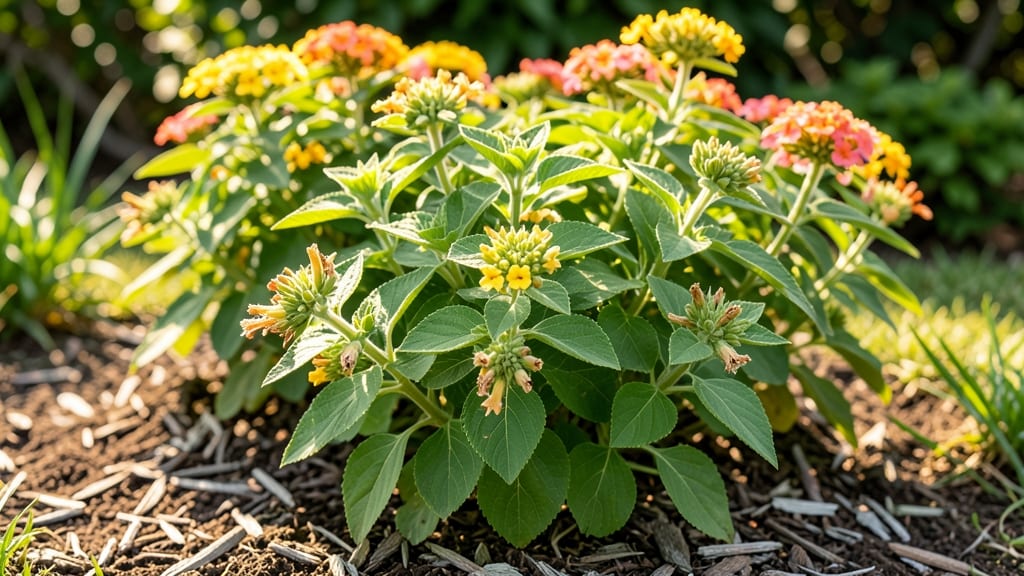
Lantana seed pods are those twisted, papery capsules that look like tiny, dried-up question marks clinging to the stems after the flowers fade. 🌿 They start as bright green buds before maturing into a light tan or straw color, their rough texture catching light like crumpled parchment—easy to spot if you know what to look for.
These dry, segmented pods form after the vibrant yellow, orange, or pink lantana blooms drop, serving as nature’s seed-dispersal system. When fully mature, the slightest breeze or touch makes them burst open, scattering hundreds of tiny, dust-like seeds—explaining why lantana spreads so aggressively in warm climates.
If you’re growing lantana intentionally, you can collect these pods before they release seeds to propagate new plants. Just snap them off, let them dry completely, then gently crush them to extract the seeds for starting indoors. The process is simple but requires patience—those seeds need warmth to germinate.
For gardeners dealing with unwanted spread, removing the pods early prevents self-seeding. Keep an eye out for these deceptively innocuous capsules—they’re the reason lantana thrives (or invades) with so little effort. Spot one, and you’ll understand the plant’s persistence instantly.
📚 In This Guide
- What you need
- Instructions
- Tips and common mistakes
- Wrapping up and next steps
What you need
- ● Lantana plant: A mature Lantana camara or similar species (ensure it’s not invasive in your area!)
- ● Pruning shears or gloves: Heavy-duty gardening gloves (to protect from thorns) and sharp pruners (for clean cuts).
- ● Magnifying glass or loupe: 10x magnification for close-up inspection of seed pod details.
- ● Drying tray or paper towels: A flat, breathable surface (like a baking sheet) to lay pods out for drying.
- ● Small containers or envelopes: Paper bags or airtight jars (for storing seeds or pods).
- ○ Camera or smartphone: With a macro lens attachment (optional but helpful for photography).
- ● Field guidebook: A regional plant ID guide to cross-reference lantana with similar-looking species.
- ● Labeling tags: Waterproof labels for marking collected pods/seeds by date or location.
- ● Seed germination kit: If testing viability, include potting soil and small pots.
- ● Safety goggles: For handling large quantities of dry pods (they can explode when disturbed!).
How to identify lantana seed pods in your garden
Spotting lantana seed pods is easier than you think—just look for these twisted, papery structures.
🌿 Step 1: Locate the Flower Clusters First
Lantana plants produce bright, clustered flowers that bloom throughout the growing season. These flowers eventually give way to seed pods, but first, you’ll need to find the spent blooms. Look for clusters where the petals have already fallen off, leaving behind small, green stems.
These stems are where the pods form. If you see tiny, rounded buds that look like miniature green peppers, those are your starting point. They’ll grow and twist as they mature, so keep an eye on them over the next few weeks.
🌱 Step 2: Recognize the Twisted, Papery Shape
Once the seed pods fully mature, they’ll transform into distinctive, twisted capsules that resemble tiny, dried-up spirals. These pods are usually about ½ inch long and have a papery, almost translucent texture when dry. They’ll start off green but turn brown as they age.
Here’s the thing—lantana pods don’t stay closed for long. They’ll begin to split open along one side when they’re ready to release seeds. If you see a pod that looks cracked or slightly ajar, that’s your signal that seeds are about to scatter.
💧 Step 3: Observe How They Release Seeds
When the pods are fully dry, they’ll twist even more and split open like a tiny door. Inside, you’ll find small, brown seeds that look like tiny grains of rice. These seeds are lightweight and will easily disperse in the wind, which is why lantana spreads so aggressively in the right conditions.
If you’re trying to collect seeds for propagation, you’ll want to harvest the pods just before they fully open. Gently twist them apart to release the seeds inside. Don’t let them dry out completely on the plant—otherwise, you’ll miss your chance to collect them.
✂️ Step 4: Compare to Other Seed Pods in Your Garden
Lantana seed pods are unique, but it’s easy to confuse them with other dried flower heads if you’re not familiar with them. Compare them to other seed pods in your garden—lantana pods are much smaller and more twisted than, say, milkweed pods, which are fluffy and cylindrical.
If you’re still unsure, snap a photo and compare it to online images of lantana seed pods. The twisted, papery shape is the key identifier. Once you’ve spotted a few, you’ll recognize them instantly in future growing seasons.
🌞 Step 5: Know When to Harvest for Planting
The best time to harvest lantana seeds is in late fall or early winter, just before the pods fully dry and release their seeds. Collect them on a dry day, and store them in a paper bag or envelope in a cool, dry place until you’re ready to plant.
Lantana seeds need a cold period to germinate, so you can either plant them directly in the ground in late winter or stratify them in the fridge for a few weeks before sowing. Either way, you’ll want to act quickly once the pods are ready—seeds don’t stay viable for long once they’re released.
Tips & tricks for identifying lantana seed pods
Here's what nobody tells you about spotting these sneaky garden structures before they disappear.
Look for the Green Buds: In Step 1, those tiny rounded buds you see after the petals fall off are your first clue. They start out bright green and about the size of a grain of rice—think of them as the "before" stage of the pods. If you spot these early, you'll have time to track their transformation into the distinctive twisted shape.
Timing is Everything: The pods only stay closed for a short window in Step 3. Once they start splitting open, the seeds scatter within days. I've missed harvests because I didn't check them frequently enough—aim to monitor your plants every 3-4 days during their peak season (late summer to early fall).
Texture Test: When you're comparing pods in Step 4, run your fingernail along the surface. Lantana pods should feel papery and slightly brittle when mature, almost like crumpled tissue paper. Other seed pods often feel woody or fibrous—this texture difference is your secret weapon for positive identification.
Harvesting Hack: For Step 5, collect pods on a dry morning when they're fully mature but still closed. Place them in a paper bag and store in a warm, dry spot for 24 hours—this helps them release seeds naturally without scattering everywhere. I've found this method prevents the mess I used to make when trying to twist them open too soon.
Pro Tips for What Do Lantana Seed Pods Look Like
- Here's what nobody tells you about spotting these sneaky garden structures before they disappear.
- Look for the Green Buds: In Step 1, those tiny rounded buds you see after the petals fall off are your first clue.
- Timing is Everything: The pods only stay closed for a short window in Step 3.
Frequently asked questions
about lantana seed pods—because even the trickiest garden mysteries deserve simple answers!What do lantana seed pods look like when they’re still green?
When fresh, lantana seed pods are bright green and plump, resembling tiny, elongated peapods (about ½ inch long). They’re smooth and slightly tapered, with a faint ribbing. As they mature, they twist into their iconic spiral shape—think of a corkscrew or a dried gourd.
How long does it take for lantana seed pods to dry and release seeds?
Drying time varies by climate, but pods typically turn brown and crispy in 2–4 weeks after flowering. Once fully dry, the slightest breeze or touch can make them explode, scattering seeds up to 10 feet away. Pro tip: Harvest pods before they split to control spread!
Are lantana seed pods poisonous to pets or kids?
While the seeds and pods aren’t highly toxic, lantana plants contain toxic compounds (like triterpenoids) that can cause mild stomach upset, vomiting, or drooling if ingested in large amounts. Keep pets away from chewed leaves or pods, and wash hands after handling. Call a vet if symptoms appear.
Can I use lantana seed pods for anything besides spreading weeds?
Lantana seed pods are mostly ornamental, but some gardeners use them in dried floral arrangements for their twisted shapes. Caution: They’re invasive in many regions—never plant them intentionally unless you’re in a controlled, arid environment. For eco-friendly alternatives, try native milkweed or coneflowers!
How can I tell if a seed pod is ready to harvest for removal?
Pods are ready when they’re fully brown, brittle, and split open slightly (even if just at the tip). Best time to remove: Early morning when humidity is low—wear gloves to avoid seed explosions! Seal pods in a paper bag and dispose of them in the trash immediately. Pro move: Freeze pods for 24 hours first to kill any seeds inside.
Wrapping up and next steps
Now that you’ve learned to spot lantana seed pods—those twisted, papery capsules that burst open when dry—you’re better equipped to manage this invasive plant in your lawn or garden. 🌿 Recognizing their unique shape and behavior helps you act early, whether removing them by hand or preventing their spread.
Ready to take action? Start by inspecting your outdoor spaces—especially after a dry spell—and remove any pods before they release seeds. Every small effort makes a big difference in keeping your yard healthy and lush! 🌱